Online retail is becoming a pressure valve for stressed U.S. households, and the evidence is showing up in how they pay at checkout.
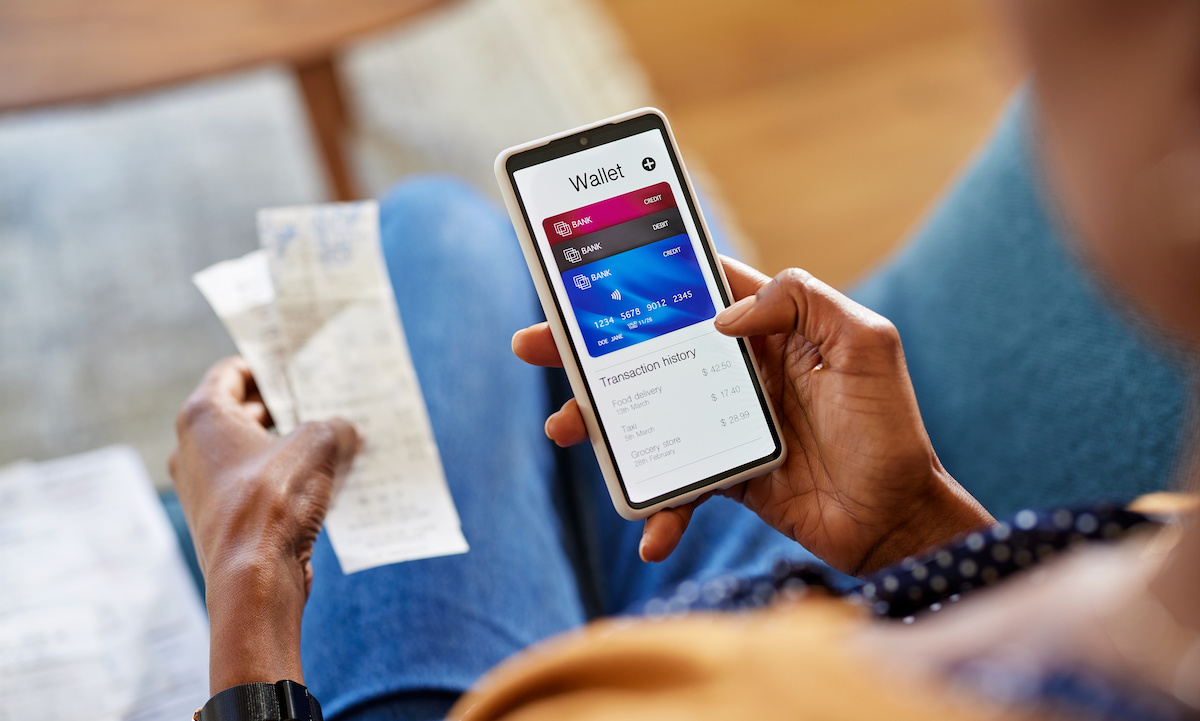
A new PYMNTS Intelligence report, “The New Checkout: Crimped Consumers Lean Into Online Retail and Digital Wallets,” finds that rising financial strain is pushing more shoppers toward low-cost online options and toward digital wallets that bundle payment with budgeting and short-term credit tools.
In terms of methodology, the report draws on a survey of 2,108 U.S. adults conducted from Nov. 14 to Dec. 8. The shopping shift is not just about where consumers browse. It is also about how they manage cash flow in the moment.
Beyond those headline findings, the report sketches a retail landscape where financial pressure changes consumer behavior, and by extension, brand outcomes.
- Consumers under high financial stress were more than twice as likely as low-stress consumers to use a digital wallet for their last retail purchase (28% vs. 11%) and last grocery purchase (21% vs. 8%).
- In November, 15% of consumers paid for their last retail purchase using a digital wallet, up 50% from March 2024; among Gen Z, the share rose to 36% from 15%.
- Among online grocery shoppers, 56% of high-stress consumers last bought from Walmart, compared with 50% of low-stress consumers; in online retail, high-stress shoppers were 34% less likely to buy from Amazon and were nearly three times as likely to buy from Target.
Many Americans describe living paycheck to paycheck, yet most respondents said they had not faced cash shortfalls for living expenses or emergencies in the prior 90 days. Still, 17% reported recent shortfalls, and the report links higher stress to younger consumers and to parents with children under 18.
That stress shows up in channel choices. Consumers under high strain were 6 percentage points more likely to buy groceries online than those under low strain, a sign that digital ordering can feel like a way to track spending and find discounts without extra trips. The report also finds that stressed consumers are not necessarily spending less per purchase. High-stress consumers reported higher average ticket sizes for their last grocery and retail purchases than low-stress consumers, and the gap widened further in online retail, where high-stress shoppers averaged $169 versus $96 for low-stress shoppers. One explanation is consolidation. A bigger basket can reduce shipping fees and limit impulse buys.
Payment choice, in this view, is becoming part of household budgeting. The report notes that low-stress consumers are far more likely to pay with a credit card outside of a digital wallet, while stressed consumers may avoid taking on more revolving debt or may have less access to credit.
Wallet adoption also rose faster among high-stress consumers than among low-stress consumers between March 2024 and November, suggesting that financial pressure is a driver of adoption. Online is where stress shows up. Wallets are part of that shift. Retailers, as a result, will feel the difference.