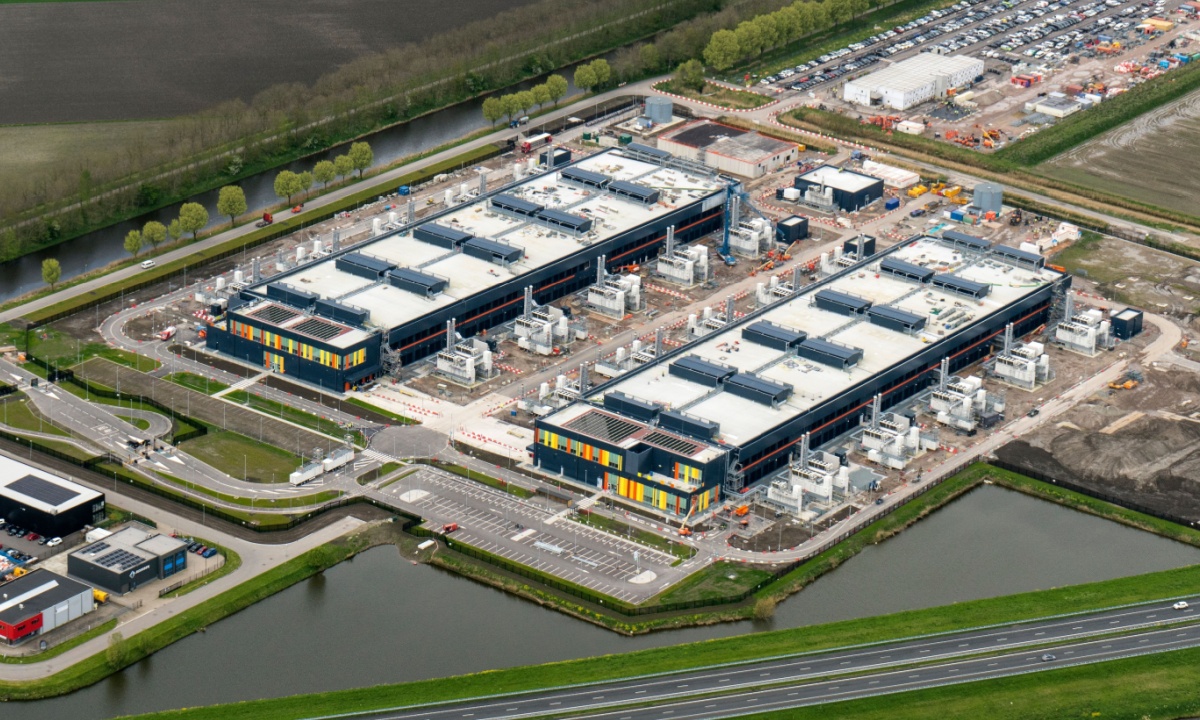
Grassroots resistance to artificial intelligence (AI) data centers is accomplishing what policymakers have largely failed to do: forcing technology companies, utilities and elected officials to confront who pays for AI’s enormous demands on electricity, water and public infrastructure.
Facing delayed projects, local moratoriums and growing voter anger, some of the world’s largest technology companies are abandoning the quiet dealmaking that once characterized data center development. They are holding public meetings, promising jobs, investing in water systems and offering hundreds of millions of dollars in community benefits, The Wall Street Journal reported Tuesday (Aug. 18).
The shift reflects the emergence of data centers as a potent political and regulatory issue. According to a Gallup survey cited by the Journal, 71% of Americans would oppose construction of a data center in their community. The first quarter of 2026 produced a record number of blocked or delayed projects, according to Data Center Watch.
That pressure is increasingly translating into government action. New York Gov. Kathy Hochul imposed a temporary ban on large data center construction in July, while Pennsylvania Gov. Josh Shapiro signed an executive order establishing guardrails for new facilities.
The Tennessee Valley Authority provided another example Thursday (Aug 20), voting to establish a separate, higher electricity rate for data centers, according to the Chattanooga Times Free Press. The nation’s largest public utility said the new rate, effective Oct. 1, will increase data center power costs by roughly 10% over three years while protecting residential and other business customers from added costs.
Data centers represented 18% of TVA’s industrial electricity use last year. The new structure is intended to ensure the facilities cover the cost of serving their extraordinary demand, while giving local power companies more flexibility in setting rates. TVA also adopted measures aligning large customers’ actual consumption with contracted demand and increasing transparency for projects requiring more than 100 megawatts.
“This creates a fair expectation” that companies creating exceptional demand should help finance the necessary generation and infrastructure, Memphis Mayor Paul Young told the TVA board.
The vote demonstrates how public concern about utility bills is beginning to reshape regulatory decisions. Although the White House secured a voluntary Ratepayer Protection Pledge from leading technology companies, including Amazon, Google, Meta, Microsoft and OpenAI, TVA’s action converts that principle into an enforceable pricing structure.
Technology companies are responding on several fronts, per the Journal. OpenAI, announcing a data center near Savannah, Georgia, held an open house where residents could ask about electricity rates, water supplies and taxes. The company pledged $80 million in community investment and as much as $71 million in coding credits for students.
Meta has announced a $1 billion community fund as it plans up to $145 billion in annual capital spending, much of it for AI infrastructure. The company is also promising to restore more water than its data centers consume by 2030 and has created a workforce academy whose graduates are guaranteed construction jobs.
Microsoft ended its use of nondisclosure agreements with local governments in March and subsequently announced commitments covering electricity, water, employment and taxes. Amazon similarly held an open house in Gilroy, California, after residents complained they learned of a $2 billion data center only after construction began.
The backlash is also changing the industry’s political message. Countering the emphasis on AI’s disruptive potential, executives increasingly describe it as a source of broadly shared economic opportunity. But public-relations campaigns may not satisfy communities demanding binding protections.
University of Michigan professor Ben Green told the Journal that companies promoting themselves as good neighbors are simultaneously opposing moratoriums and regulation.
That tension will define the next stage of the data center fight. Community opposition is no longer merely delaying individual projects. It is forcing businesses to disclose more, offer tangible benefits and absorb more infrastructure costs, while pushing regulators and politicians toward protections they had been slow to impose.
For all PYMNTS AI coverage, subscribe to the daily AI Newsletter.