Spanish banks are reportedly offering a new bank-to-bank in-store payment system, challenging American payment systems.
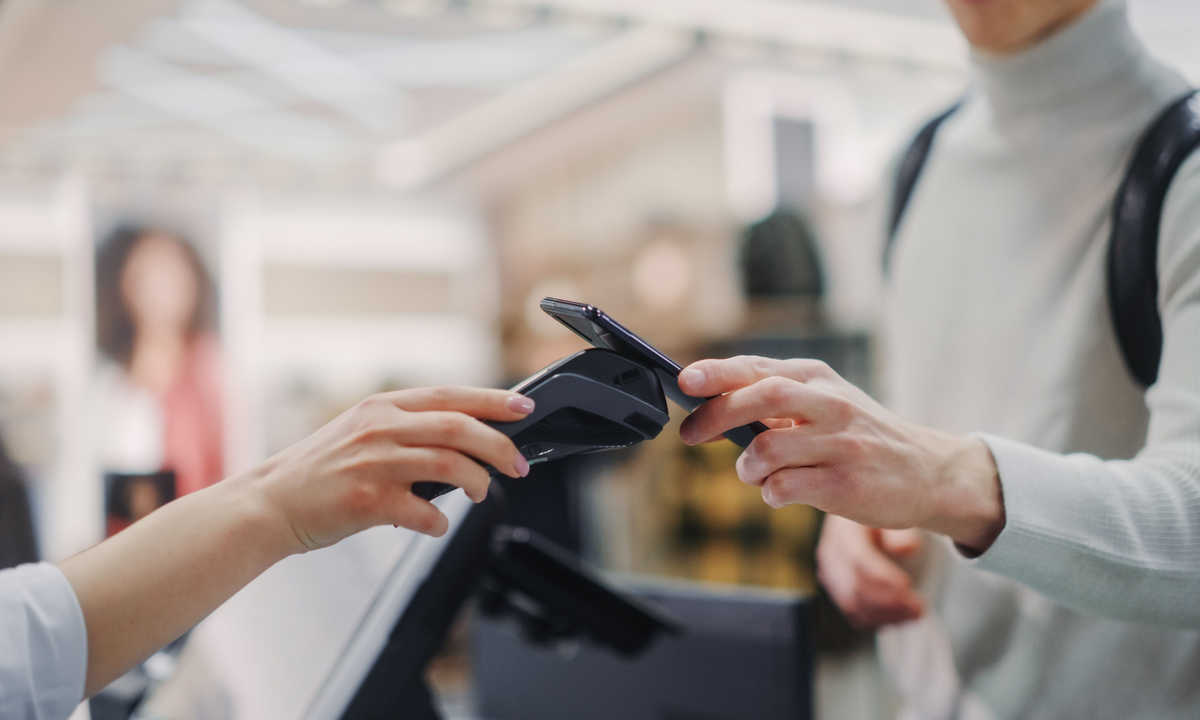
That’s according to a report Wednesday (July 22) from Bloomberg News on the efforts of Bizum, a consortium of 30-plus banks in Spain. The group has just introduced Bizum Pay, which lets consumers transfer funds from their bank accounts to a merchant via tap-to-pay from their mobile devices.
The report describes Bizum as Spain’s first attempt to create an alternative to U.S. systems, as more European nations vie for payment independence.
Other projects include the European Payment Initiatives’ Wero, which had 48.5 million members in Belgium, France and Germany as of February of this year, and plans to introduce in-store payments by 2027.
As Bloomberg notes, Visa and Mastercard handle most of Europe’s online/in-store debit and credit card payments. Both companies have spent decades and billions of dollars creating this infrastructure, which means dialing back Europe’s reliance on international systems will not be an easy job.
“In a context dominated by non-European providers, there is a growing interest in alternatives of strategic autonomy,” said Fernando Rodriguez, deputy managing director of international expansion at Bizum. “We offer an option to reduce the number of players in the chain.”
Before now, Bizum allowed only peer-to-peer transfers. Now, the report added, the group is bringing its systems to customer-to-merchant transactions, with member banks involved on both ends, managing customer accounts and at least 60% of Spain’s point-of-sale terminals.
“In Spain, we have the particularity that POS payment terminals in stores fall under the control of our banking entities, while in other countries it might not be the case and they rely on different players,” Rodriguez said.
Bizum’s push is happening amid rising adoption of bank-to-bank payments, or Pay by Bank. Research by PYMNTS Intelligence shows that one group of consumers is helping drive this trend: people who use digital banks.
“Digital bank users already manage much of their financial lives on their phones,” PYMNTS wrote earlier this year.
“They frequently use digital wallets, pay bills online and transfer money between accounts without using physical cards. Because of this, this method feels natural to them.”
The research also found that digital bank users are willing to change how they pay. However, the value needs to be clear, with incentives like discounts and rewards — along with strong buyer protection — leading consumers to shift away from paying with cards.