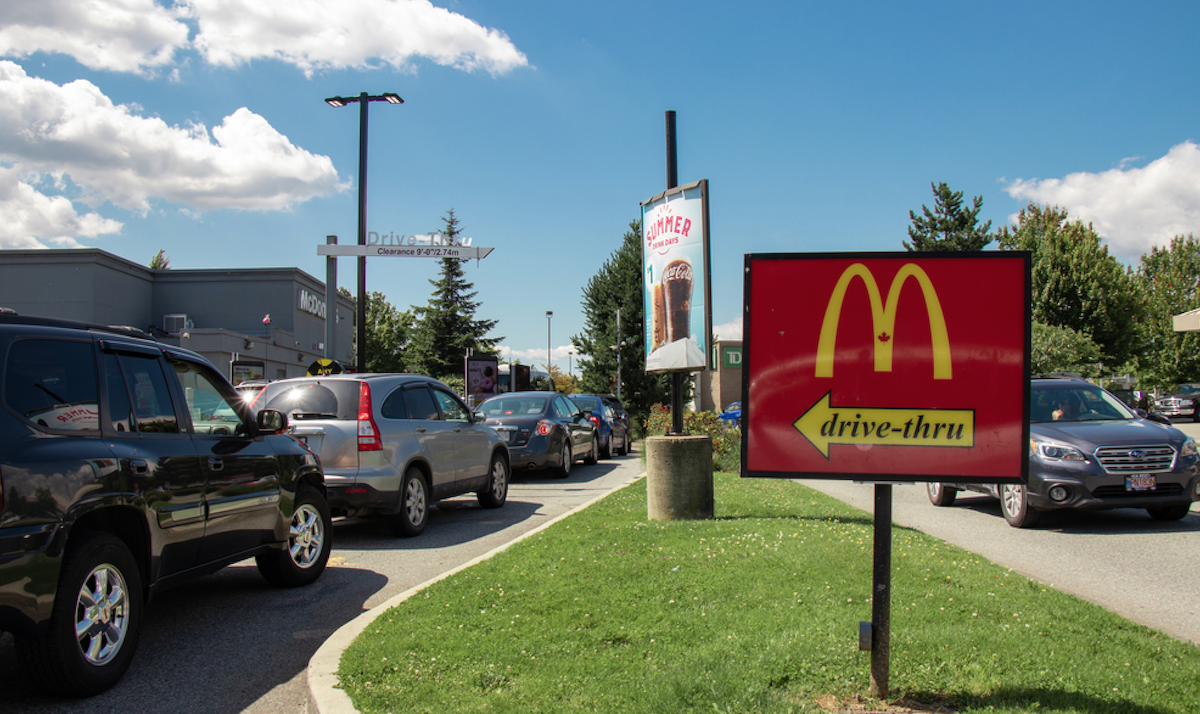
The ads are shown after customers place their orders and can be viewed while customers wait for their meals, according to the report.
“This limited menu board advertising pilot at select company-owned restaurants is exploring ways to share post-purchase content that customers may find helpful, relevant or interesting, while ensuring the McDonald’s experience remains at the center of every visit,” a McDonald’s spokesperson said in the report.
PYMNTS reported in April that retailers are evolving into what might be termed “media environments” where brands pay to influence decisions at the moment they are made.
Dollar General, for example, expanded its artificial intelligence-enabled in-store audio network that links messaging to point-of-sale data and local store conditions.
PYMNTS reported in January that retail media networks are moving from the margins of advertising strategy to the center of how brands and retailers compete.
For example, CVS detailed how it is turning its vast trove of first-party data into a retail media advantage that connects loyalty, transaction and behavioral insights to advertising performance.
McDonald’s reported Aug. 4 that during the latest quarter, the company’s comparable sales in the United States climbed just 0.8%, compared to 2.5% during the same period last year. The company attributed the slowdown in part to its decision to pull back on popular digital deals, such as “buy one, add one for a dollar,” to fund a new “10 items for under $3” menu.
Digital offers are “something that’s valued by our most loyal customers,” McDonald’s CEO Chris Kempczinski said during an earnings call. “And so that ended up being a bad trade, putting in an app program that didn’t deliver and taking away a lot of digital offers and the buy one, add one program.” Kempczinski said that moving forward, “we will not get beaten on value.”
It was reported in June that McDonald’s unveiled a Google-powered AI ordering system for its drive-thru business and launched tests of the system at five U.S. locations.