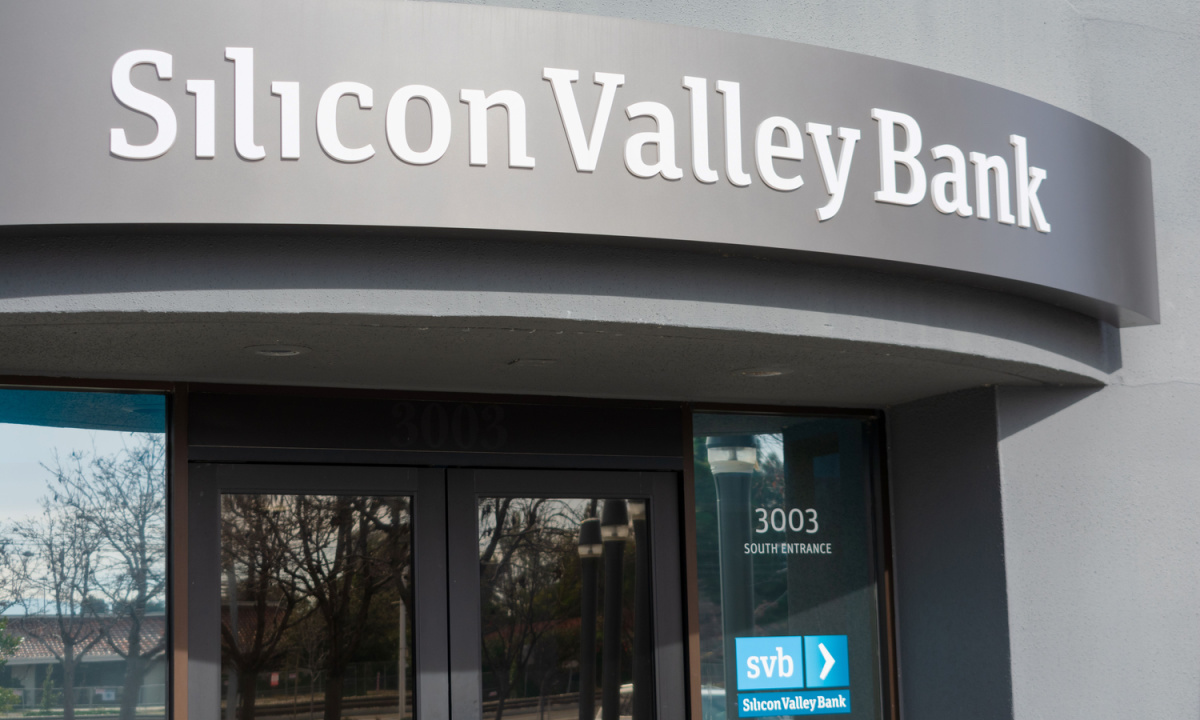
Three years later, an independent review is challenging the connection between those two events.
“[W]hile many postmortem accounts have asserted that social media fueled the run at SVB, none of these accounts made any effort to substantiate that claim,” Federal Reserve Vice Chair for Supervision Michelle Bowman said Friday (Sept. 18), while announcing initial findings from an independent review of the bank’s failure.
Charles River Associates examined the question at the request of independent reviewer Starling Advisory Group. It concluded “that social media did not trigger the bank run at SVB, and there was no evidence that social media accelerated the run,” Bowman said.
As for timing, the analysis found that 96% of social media discussion concerning the run appeared after SVB’s failure was inevitable, Bowman said.
For banks, the study sparks deeper considerations than whether social media posts can cause a run. What made SVB’s deposits capable of disappearing so quickly once customers decided to leave?
The review started with the deposit book itself. Bowman described it as a “run-prone deposit base that was 94% uninsured and concentrated in venture capital-backed technology companies.” SVB simultaneously had unrealized securities losses exceeding its capital and lacked the operational readiness to borrow from the Fed’s discount window when it needed liquidity.
Those weaknesses were present before the run.
What Banks Know About Their Deposits
Deposit risk depends partly on characteristics that an aggregate deposit figure cannot show, like how much money is uninsured, whether large balances come from customers exposed to the same industry or economic conditions, and whether those customers could have similar reasons to withdraw simultaneously.
That makes information about the deposits themselves ever more critical. Banks need to understand concentrations within their funding, the insurance status of large balances and how different groups of customers behave when conditions change.
SVB also showed that identifying those risks is separate from having enough immediately usable liquidity to withstand them. The independent review specifically identified the bank’s lack of operational readiness to use the discount window as one of the vulnerabilities contributing to its failure.
The Fed Knew More Than It Acted Upon
The findings also move the supervisory discussion beyond whether Fed examiners simply failed to recognize SVB’s problems.
They had recognized them.
“Our supervisory staff knew, or should have known, about these vulnerabilities as early as March 2022,” Bowman said. Yet supervisors “did not take prompt and decisive action” to push SVB to reduce its interest rate risk or concentration of vulnerabilities.
The independent review placed part of the explanation inside the Fed itself.
A “long-standing culture of risk aversion” contributed to the inaction, Bowman said. Staff believed “it was personally safer to take no action unless they were certain the action was exactly right.”
The Fed is changing that process. Examination teams will submit monthly reports directly to supervision leaders and their reserve banks when examiners are uncertain whether an issue warrants supervisory action, Bowman said.
The reporting is intended to give leadership “real-time visibility into where our teams need clearer guidance,” Bowman said.
The policy debate has continued because commercial customers can hold payroll, operating and other balances above the standard $250,000 insurance limit. Proposals to alter deposit insurance have raised questions about whether greater coverage would protect business accounts while also changing funding competition between large and small banks, PYMNTS reported in October.
More recently, the Federal Deposit Insurance Corp. gave banks another tool by expanding the reciprocal deposits qualifying banks can hold under the statutory exception from brokered-deposit treatment, PYMNTS reported Sept. 4. Reciprocal arrangements can distribute a company’s funds among multiple institutions, allowing more of a large balance to fall within applicable insurance limits while the originating bank retains the customer relationship.
Insurance coverage can affect whether commercial customers have reason to move large balances when doubts about a bank emerge. Reciprocal networks can change where those deposits ultimately reside. Both affect how a bank’s deposit book behaves under stress.
Bowman described SVB’s failure as the product of a “confluence of vulnerabilities.”
For banks, the examination of vulnerabilities concerns the money already on the balance sheet. Who owns it, how much is uninsured, which customers may behave alike, and does the bank have liquidity it can actually use if those customers decide to leave?