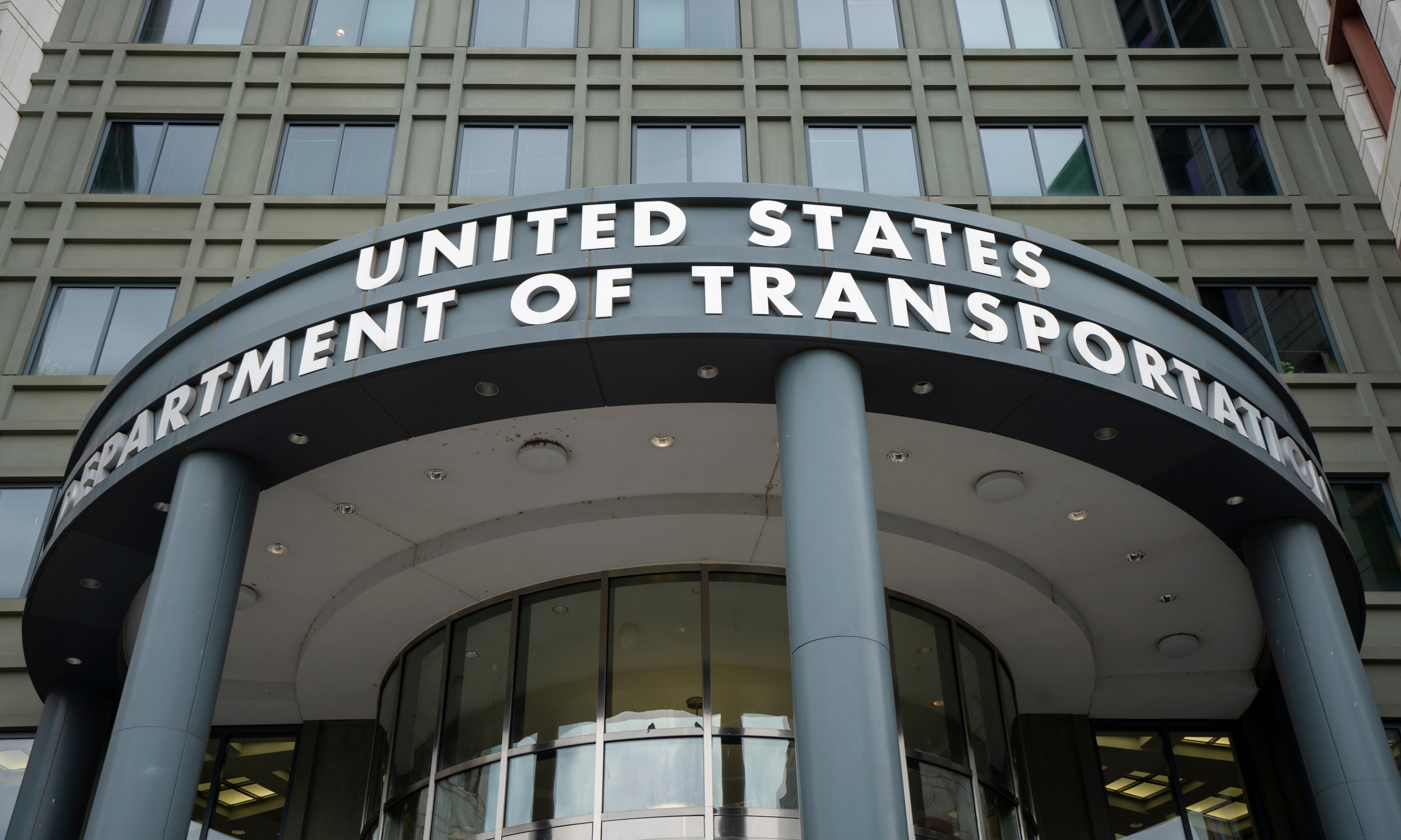
The U.S. Department of Transportation (DOT) is pivoting away from aggressive regulatory oversight of the airline industry, part of a broader deregulatory agenda that aims to reduce the government’s ability to hold airlines accountable for violations of consumer protection and civil rights laws.
According to a Monday (Jan. 5) report from Bloomberg, the DOT proposed revisions to the investigatory and enforcement practices of the Office of Aviation Consumer Protection (OACP). The new proposal seeks to ensure oversight is conducted in what the department calls “a fair and just manner” by first issuing warnings to violators before the government pursues the financial penalties that were common under the Biden administration.
This regulatory filing is the latest in a series of actions by the Trump administration to reverse the prior administration’s passenger protection policies. As reported by PYMNTS in November, the DOT reversed a policy that required airlines to refund passengers up to $775 for delayed and canceled flights. It has also canceled policies that would have mandated airlines to provide meals and hotel accommodations to passengers facing significant flight disruptions.
Officials argued that such mandates could possibly be illegal and potentially increase ticket prices for consumers. Additionally, the DOT has paused the enforcement of certain rules designed to protect passengers with disabilities, citing a need to review whether these provisions are consistent with existing federal law.
DOT spokespeople frame this shift as a move toward efficiency. In a new regulatory filing, the department stated: “OACP’s approach of prioritizing compliance efforts before resorting to enforcement action is a more effective and efficient way to improve the air travel environment for consumers.”
This approach aligns with an executive order directing federal agencies to refrain from enforcing rules that, according to the order, are “based on anything other than the best reading of a statute or go beyond the powers vested in the Federal Government by the Constitution.”
It has already been a turbulent year for airlines. PYMNTS reported that air travel bookings from Europe declined in early 2025 due to the administration’s border policy and tariffs as well as broader economic uncertainty. This reversed positive momentum reported by many airlines at the end of 2024.
“Coming into 2025, we were positioned for another year of strong growth,” Delta Air Lines CEO Ed Bastian said during a quarterly earnings call in April. “However, given broad economic uncertainty around global trade, growth has largely stalled.”
Delta amended its projections later in the year to a higher revenue growth, thanks in large part to the potential implementation of generative AI in customer-facing applications such as booking and passenger communications.