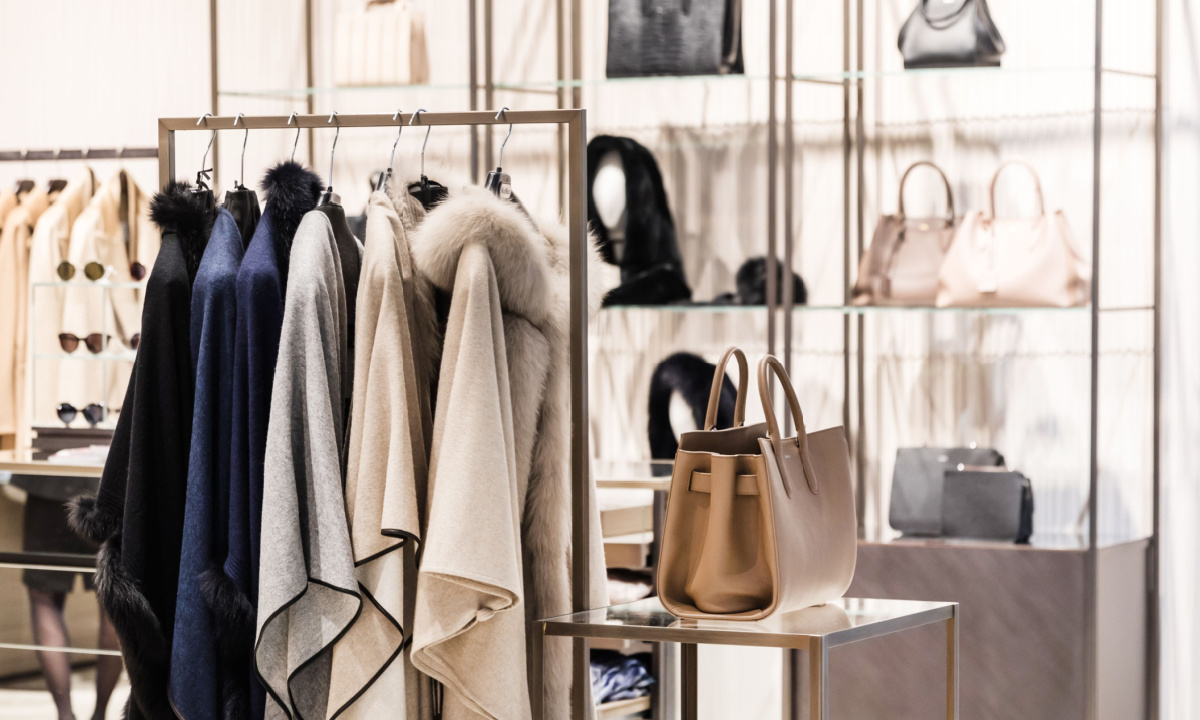
The upmarket push is showing up at department stores, where the objective is to get customers to spend more without making the jump into luxury.
Macy’s CEO Tony Spring described that effort during the retailer’s second-quarter conference call last week after an analyst asked about the runway for “premiumizing” its brand mix.
“I think we have opportunity to continue to increase our AUR,” Spring said, referring to average unit retail. He said the company could continue to “premium premiumize, whatever the right word is, our assortments across all three brands.”
The specifics came elsewhere in the call.
“AURs continue to grow because our product assortment continues to improve,” Spring said. He cited “better quality things,” including “leather versus faux,” and “brands that command a higher price point.” Growth in Ralph Lauren and Coach, along with watches and fine jewelry, was also contributing to higher AUR, he said.
Average unit retail increased 9% in the quarter, according to PYMNTS’ coverage of Macy’s results. The Macy’s nameplate posted a 1.1% comparable-sales increase, while Bloomingdale’s rose 11.3%, according to Macy’s Inc.’s second-quarter results.
Dillard’s latest results put another measure of customer spending in view.
The retailer’s comparable sales increased 1% in the second quarter. Transactions declined 6%, while average dollars per transaction increased 7%. Its sales mix does show stronger performance in categories capable of carrying a range of price points. Ladies’ accessories and lingerie recorded the largest increase, while home and furniture increased moderately and shoes, men’s apparel and accessories, and cosmetics posted smaller gains, according to Dillard’s second-quarter results.
For department stores, the difference between moving upmarket and moving into luxury is consequential to the size of the customer base they can address.
Luxury brands, by way of contrast, are navigating a tough environment, as measured through the first half of 2026 reporting periods.
Gucci revenue fell 5% on a comparable basis in the first half of 2026, including a 6% decline at directly operated stores. Second-quarter comparable revenue was still down 2% despite improving from the first quarter. Kering Fashion & Leather Goods, which includes Gucci and several other houses, declined 1% comparably for the half, according to Kering’s first-half results.
At LVMH, Fashion & Leather Goods revenue declined 1% organically in the first half before returning to 1% growth in the second quarter. Watches & Jewelry moved in the other direction, rising 9% organically for the half.
Cards Add Another Way to Capture More Spending
The retailers’ card businesses provide another piece of that effort. The available disclosures do not establish that cards are responsible for higher selling prices or transaction values, but the data in quarterly filings indicate higher revenues tied to cards, which in turn means that consumers continue to use that payment choice at the register in an environment where rewards are part of the payments tapestry.
Macy’s reported $156 million in net credit card revenue in the second quarter, up 2% from a year earlier, with the company citing its credit portfolio and stable net credit card losses. Macy’s reported the card results with its second-quarter earnings. First-half credit-card revenue increased to $328 million from $306 million.
The Macy’s card agreement with Citi gives the retailer revenue based in part on spending activity as card purchases occur, as well as revenue based on portfolio performance. Citi owns the accounts and receivables. That makes card spending relevant to the economics of getting more from a customer relationship.
Dillard’s also receives income from its Citi card alliance. First-half alliance income increased to $21.1 million from $17.2 million.
PYMNTS Intelligence provides a broader read across. In our survey of 70 issuers and FinTechs, 56% said their current card rewards increase average spend per transaction, 61% said they increase total spending and 66% said they increase card-use frequency.
Those findings measure issuer perceptions rather than behavior at Macy’s or Dillard’s, specifically, but they show why card programs are relevant to an upmarket strategy. A retailer seeking a larger purchase has an additional economic interest in whether its card program can capture more of that spending.
For department stores, moving higher does not require following luxury to the top. It requires finding how much further their existing customers are willing to go.