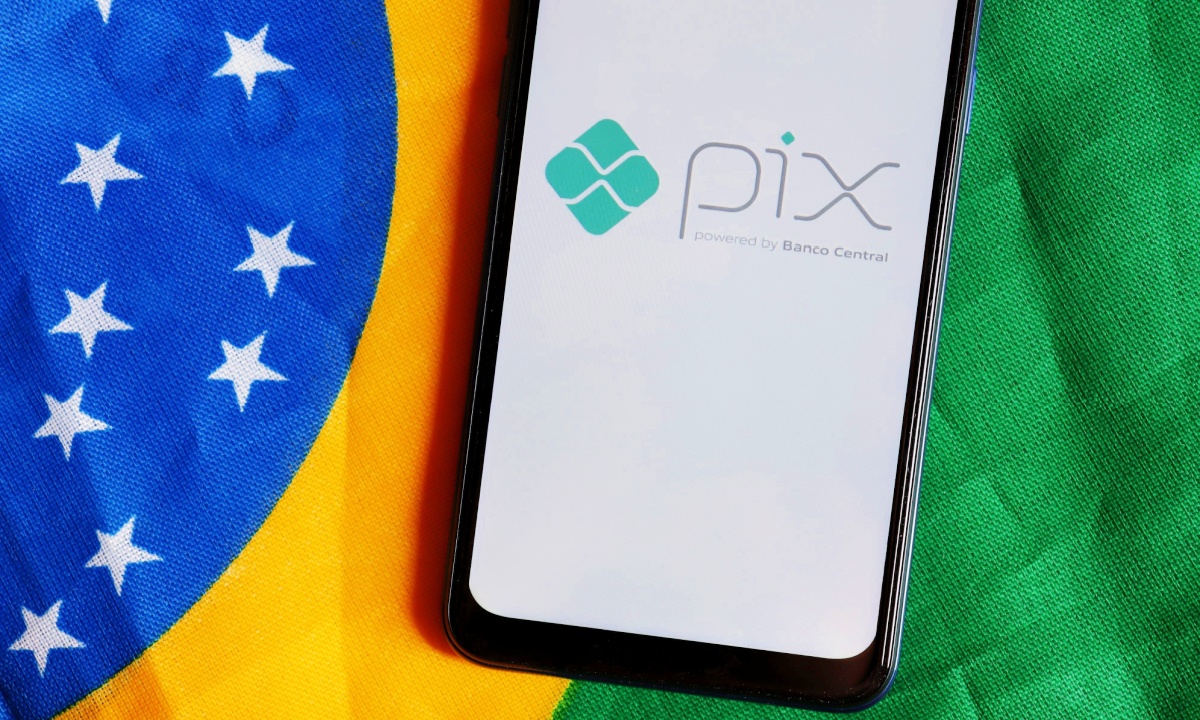
However, the system’s model, run by Brazil’s central bank, has begun appealing to several other countries, leading to tensions between the governments of the United States and Brazil, Reuters reported Tuesday (July 21).
U.S. Trade Representative (USTR) Jamieson Greer named Pix an obstacle to trade when justifying 25% tariffs on imports from Brazil that go into effect this week, the report said.
“We’re not asking Brazil to get rid of Pix,” a senior official with the President Donald Trump administration said, per the report, adding that the White House wants to prevent a situation in which “Pix gets special treatment simply because it’s owned and operated by the government.”
Officials in Brazil said this criticism is meant to protect U.S. credit card companies, the report said, citing USTR documents said that Brazil’s practices “may undermine the competitiveness of U.S. companies engaged in digital trade and electronic payment services.”
Launched in 2020, Pix has become the largest payment method in the country, with 80% of the population using the platform, according to the report.
In February, payments company Ebanx forecast that Pix would make up 45% of the country’s online sales by the end of this year, with that figure climbing to 50% in 2028.
“There has been a lot of trust-building among consumers around Pix, combined with wider availability on websites,” Ebanx Chief Product Officer Eduardo de Abreu said at the time.
Meanwhile, the PYMNTS Intelligence report “Digital Developments: Charting Digital Payment Growth in Latin America” found that Pix and similar solutions are allowing households and small businesses that once lived apart from the traditional banking system to become active players in the digital economy.
Now, Pix has caught the interest of other jurisdictions. The central bank this year reached agreements to share information about Pix with countries including Germany, Canada, Turkey and South Africa, the Reuters report said.
“Pix is really a model and the direction everyone is moving toward,” said central bank chief Gabriel Galipolo, per the report.
There are indications that instant payments systems from different countries could someday link with each other, which adds to unease in Washington as emerging economies try to lessen their reliance on the dollar, according to the report.
When asked if the White House had suggested taking Pix out of the hands of the central bank, Galipolo said in the report that the U.S. demands were unclear, adding that the current structure makes sure Pix stays a public platform.