
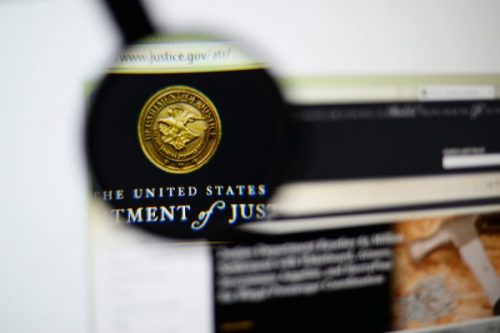
The U.S. Supreme Court has asked the Department of Justice (DOJ) to weigh in on whether it should hear a closely watched antitrust case involving Duke Energy, a major utility provider, and its alleged efforts to stifle competition in the power market.

 Add as Preferred Source
Featured News
Judge Orders Pause on Nexstar-Tegna Integration Amid Antitrust Challenge
Mar 29, 2026 by
CPI
Apple Hires Former Google Executive to Lead AI Product Marketing Push
Mar 29, 2026 by
CPI
FCC Warns NFL Risks Antitrust Trouble as More Games Move to Streaming
Mar 29, 2026 by
CPI
DOJ Issues Subpoenas in Paramount–Warner Bros. Discovery Merger Probe
Mar 29, 2026 by
CPI
Fannie Mae to Accept Crypto-backed Mortgages for the First Time
Mar 29, 2026 by
CPI
Antitrust Mix by CPI
Antitrust Chronicle® – Competitor Collaborations
Mar 26, 2026 by
CPI
Between Scylla and Charybdis – Navigating Transatlantic Antitrust Currents
Mar 26, 2026 by
Tilman Kuhn & Niklas Brüggemann
Cartel Enforcement Moves Into the Labor Market: Trends and Implications
Mar 26, 2026 by
Andreas Kafetzopoulos & Caroline Janssens
Rethinking Buy-Side Antitrust “Group Boycotts”
Mar 26, 2026 by
Craig Falls & Brendan McGuire
Positive Collaborations: The Tools Available to Competition Authorities to Encourage Beneficial Interactions Between Competitors
Mar 26, 2026 by
Rona Bar-Isaac & Thomas Withers