
A PYMNTS Company

Kraft Heinz Eyes Major Split, Potentially Unwinding 2015 Merger

 |  July 21, 2025

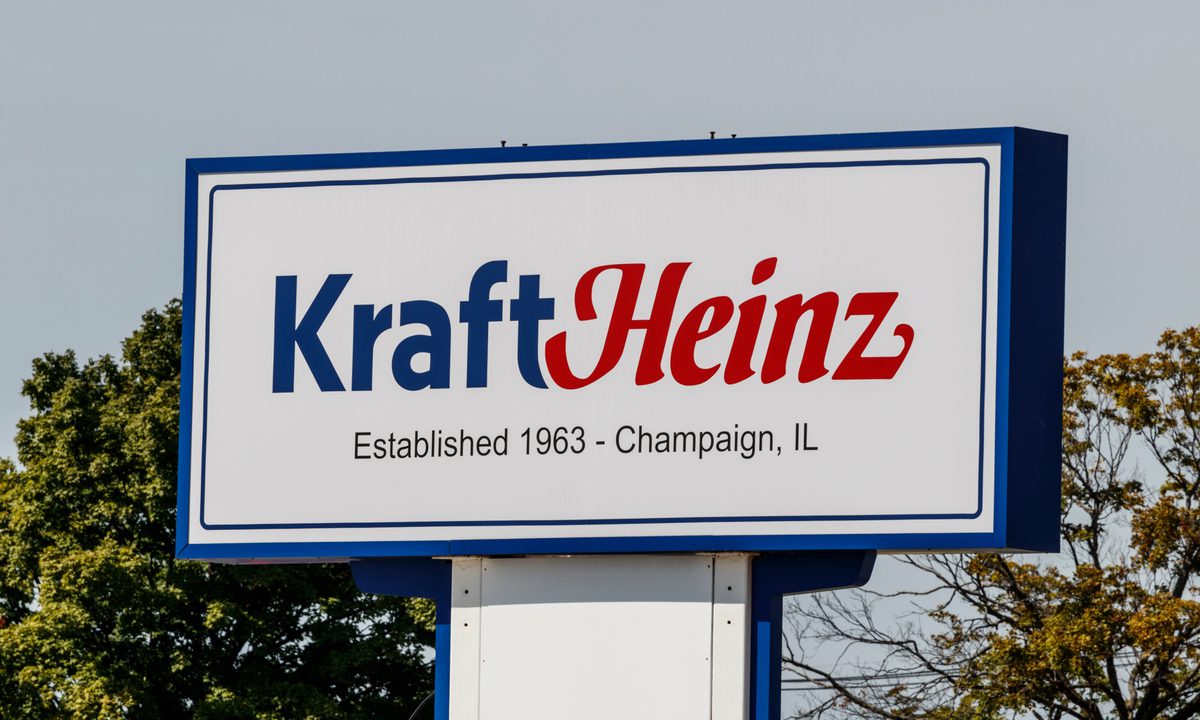
Kraft Heinz is reportedly considering a significant shake-up that could reverse the very merger that created the company a decade ago. According to Reuters, the food giant is exploring the spinoff of a large portion of its traditional grocery business — including iconic brands like Velveeta and Oscar Mayer — in what analysts see as a last-ditch effort to salvage value from a deal that has struggled since day one.


    Get the Full Story

    Complete the form to unlock this article and enjoy unlimited free access to all PYMNTS content — no additional logins required.

    yesSubscribe to our daily newsletter, PYMNTS Today.

    By completing this form, you agree to receive marketing communications from PYMNTS and to the sharing of your information with our sponsor, if applicable, in accordance with our Privacy Policy and Terms and Conditions.

    The 2015 merger of Kraft Foods and H.J. Heinz, a $45 billion transaction backed by Warren Buffett’s Berkshire Hathaway, was heralded at the time as a transformative union designed to slash costs and boost international growth. But nearly ten years later, the combined company has seen its market value collapse by roughly two-thirds, per Reuters, as changing consumer habits and poor performance in key segments undermined the deal’s long-term vision.

    Now, Kraft Heinz may be preparing to undo that merger in part or in full. Reuters reports that the company is evaluating a spinoff that would separate its slower-growing legacy grocery brands from its higher-performing condiments and international units. While the company has declined to comment, a source familiar with the matter confirmed that the newly spun entity could be valued at up to $20 billion — positioning it as the largest consumer goods deal of the year so far.

    If executed, the move would represent a dramatic about-face for Kraft Heinz, effectively dismantling the structure created by its high-profile merger. The 2015 deal, which combined Heinz’s global reach with Kraft’s well-known U.S. staples, has since become a cautionary tale of synergy promises gone unfulfilled. Many analysts now view the possible split as an implicit admission that the merger failed to generate the expected growth and profitability.

    “This is essentially a reversal of a failed strategy,” one investment banker told Reuters. “They’re trying to salvage what’s left.”

    The proposed split would likely create two distinct companies: one focused on condiments like Heinz ketchup and Philadelphia cream cheese — a division that pulled in $11.4 billion last year and still holds international growth potential — and another centered around legacy grocery products with flat sales and increased competition from store brands. According to Reuters, the latter unit, while sizable with $14.5 billion in revenue, faces tougher prospects as consumer preferences shift and demand for processed foods wanes.

    The reversal also comes at a time when the company is under pressure from investors following the departure of Berkshire Hathaway executives from Kraft Heinz’s board earlier this year — a move widely interpreted as a vote of no confidence. In May, the $33.3 billion company publicly stated it was “evaluating potential strategic transactions to unlock shareholder value,” a message many now see as a prelude to a breakup.

    Still, the path forward is far from guaranteed. Analysts and bankers caution that simply splitting the company may not be enough to boost returns unless each segment eventually attracts buyers willing to pay a premium. “It doesn’t look like there’s a whole lot of upside,” Bank of America analyst Peter Galbo told Reuters. “It really is reliant on an acquisition down the line.”

    The breakup of Kellogg into separate businesses — with Ferrero and Mars swooping in for major acquisitions — may have served as a model for Kraft Heinz leadership. But duplicating that success could prove difficult, especially for the Kraft-branded business, which faces a more skeptical consumer base and growing criticism from health advocates, including the “Make America Healthy Again” campaign led by U.S. Health Secretary Robert F. Kennedy Jr.

    As sales decline — down 3% this year — and profit forecasts are lowered, Kraft Heinz is under increasing pressure to act. But whether reversing the merger that once promised to revolutionize packaged food will be enough to turn things around remains to be seen.

    According to Reuters, even with a split, both businesses may carry visible weaknesses. “If you keep the company as it is now or split it, both are going to have some type of black eye,” said Aptus Capital portfolio manager Dave Wagner. “They probably wouldn’t be tier one acquisition targets.”

    Source: Reuters