
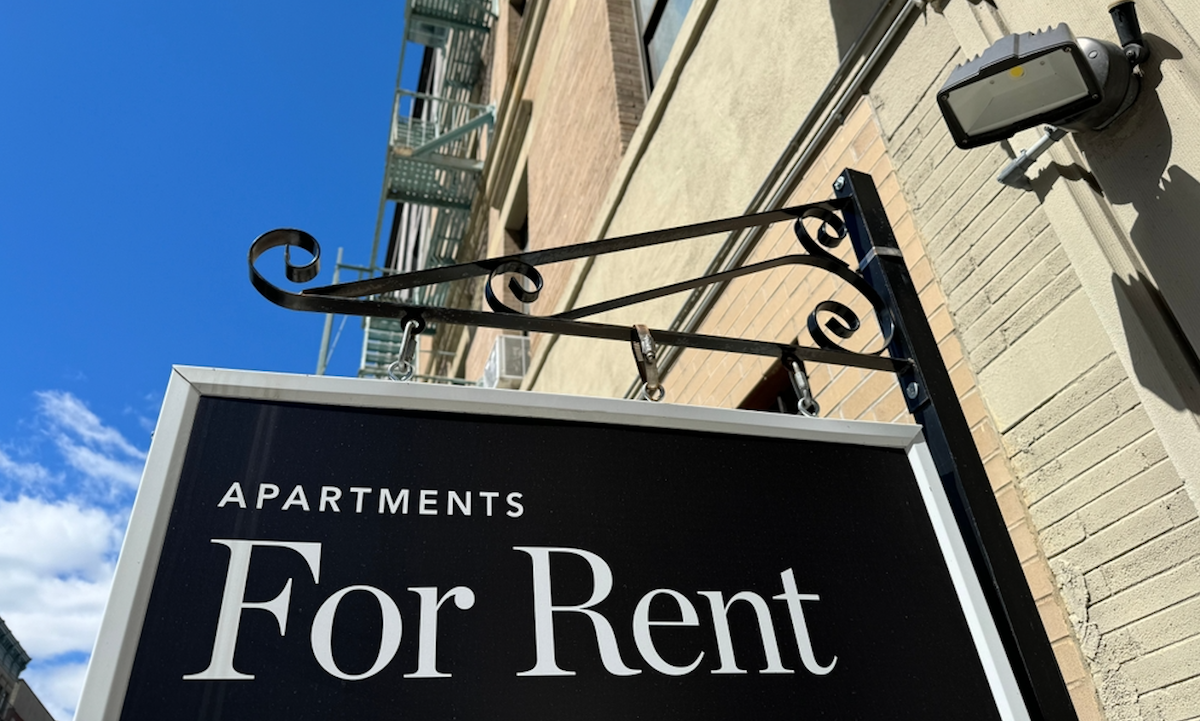
RealPage, a property management software provider, announced late Friday that it has reached a settlement agreement with Nevada Attorney General Aaron Ford’s office. The company’s software, which uses artificial intelligence to help landlords set rental prices, has faced scrutiny over whether it played a role in driving up housing costs.
Featured News
Croatia Competition Authority Approves HPB Acquisition of Croatia Banka
Jul 19, 2026 by
CPI
Democratic Lawmakers Urge DOJ to Closely Examine Fox-Roku Merger
Jul 19, 2026 by
CPI
US Judge Clears Path for Broad Beef Antitrust Class Actions Against Major Meatpackers
Jul 19, 2026 by
CPI
India’s Competition Regulator Dismisses Antitrust Complaint Against Reliance Jio and 4,500 Firms
Jul 19, 2026 by
CPI
Apple Opens Early Settlement Discussions With DOJ
Jul 17, 2026 by
CPI
Antitrust Mix by CPI
Antitrust Chronicle® – Antitrust Compliance
Jul 20, 2026 by
CPI
Your Antitrust Compliance Program: A Strong Voice in Your Defense
Jul 20, 2026 by
Joe Murphy
Antitrust Compliance for the AI Pricing Era
Jul 20, 2026 by
Alejandra Uria & Andre Geverola
Race to Report: Antitrust Leniency in the Whistleblower Era
Jul 20, 2026 by
Brian R. Faerstein & Nicole H. Sprinzen
Antitrust-By-Design: Competition Compliance in Digital Markets
Jul 20, 2026 by
Marcos Drummond Malvar, Gabriela Costa Carvalho Forsman & Luciana Mendes