
A PYMNTS Company

Netherlands Moves to Control Chinese-Owned Nexperia Amid Security Concerns

 |  October 13, 2025

The Dutch government has moved to assert control over Chinese-owned chipmaker Nexperia, escalating tensions with Beijing as global competition over semiconductor technology intensifies. According to Reuters, officials in The Hague announced late Sunday that the decision was driven by national security concerns and the potential risk of sensitive technology being transferred to Nexperia’s Chinese parent company, Wingtech Technology.

    Get the Full Story

    Complete the form to unlock this article and enjoy unlimited free access to all PYMNTS content — no additional logins required.

    yesSubscribe to our daily newsletter, PYMNTS Today.

    By completing this form, you agree to receive marketing communications from PYMNTS and to the sharing of your information with our sponsor, if applicable, in accordance with our Privacy Policy and Terms and Conditions.

    The government invoked emergency powers under the rarely used “Availability of Goods Act,” a legal mechanism designed to protect key industries from foreign influence. Per Reuters, this is the first time the Netherlands has exercised such authority. The intervention, however, stops short of a full nationalization — the Dutch state will not own Nexperia but will have the authority to block or reverse management decisions deemed harmful to national interests. Production at the company’s Nijmegen facilities will continue as normal.

    The announcement had immediate financial repercussions. Wingtech’s shares dropped roughly 10% in Shanghai on Monday following the news, Reuters reported. Wingtech, which fully acquired Nexperia in 2018 for $3.63 billion, condemned the move as “excessive interference driven by geopolitical bias.” The company also claimed that some non-Chinese executives within Nexperia had attempted to change the firm’s ownership structure through legal means in what it called a “cloaked power grab.”

    According to Reuters, the Dutch government justified its actions by citing risks related to “crucial technological knowledge.” In a statement, it warned that the loss of these capabilities could endanger both Dutch and European economic security.

    Wingtech, which has previously faced scrutiny from Western governments, said it would seek legal counsel and government support to defend its interests. The company disclosed in a filing to the Shanghai Stock Exchange that its control over Nexperia’s operations would be temporarily limited due to the Dutch order and ongoing court rulings.

    Per Reuters, a Dutch court on October 6 suspended Wingtech chairman Zhang Xuezheng from Nexperia’s boards and mandated the appointment of an independent non-Chinese executive with decisive voting power.

    The development comes amid rising global tensions over semiconductor control and technology exports. The United States, which typically coordinates export restrictions with the Netherlands, recently expanded its blacklist of Chinese firms it views as national security risks. Wingtech itself was added to Washington’s “entity list” in December 2024 for its alleged role in advancing China’s semiconductor ambitions.

    Still, Dutch authorities denied any coordination with Washington in their decision to intervene in Nexperia. A spokesperson for the Dutch Economic Affairs Ministry told Reuters that the timing of the move was “purely coincidental.”

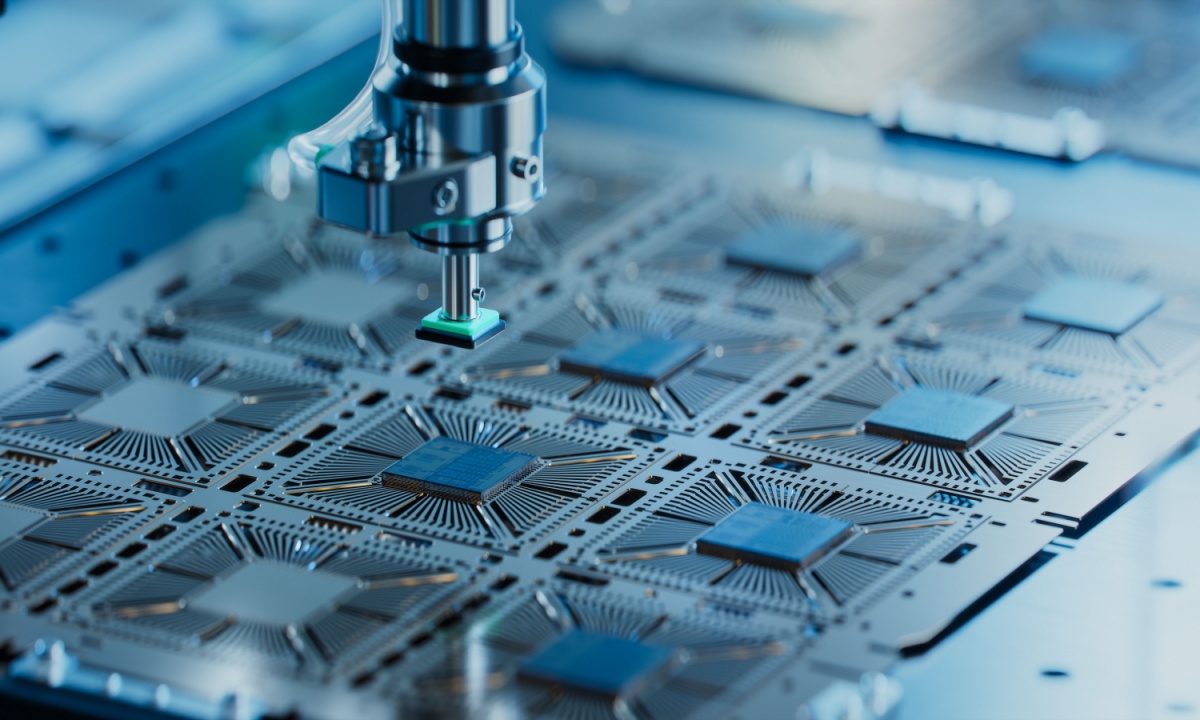
    Nexperia, once part of Philips, is a leading manufacturer of basic chips such as diodes and transistors, and also produces more advanced semiconductors used in electric vehicles, chargers, and artificial intelligence data centers.

    Source: Reuters