
A PYMNTS Company

States Vow to Plow Ahead With AI Regulations Despite Trump’s Executive Order

 |  December 17, 2025

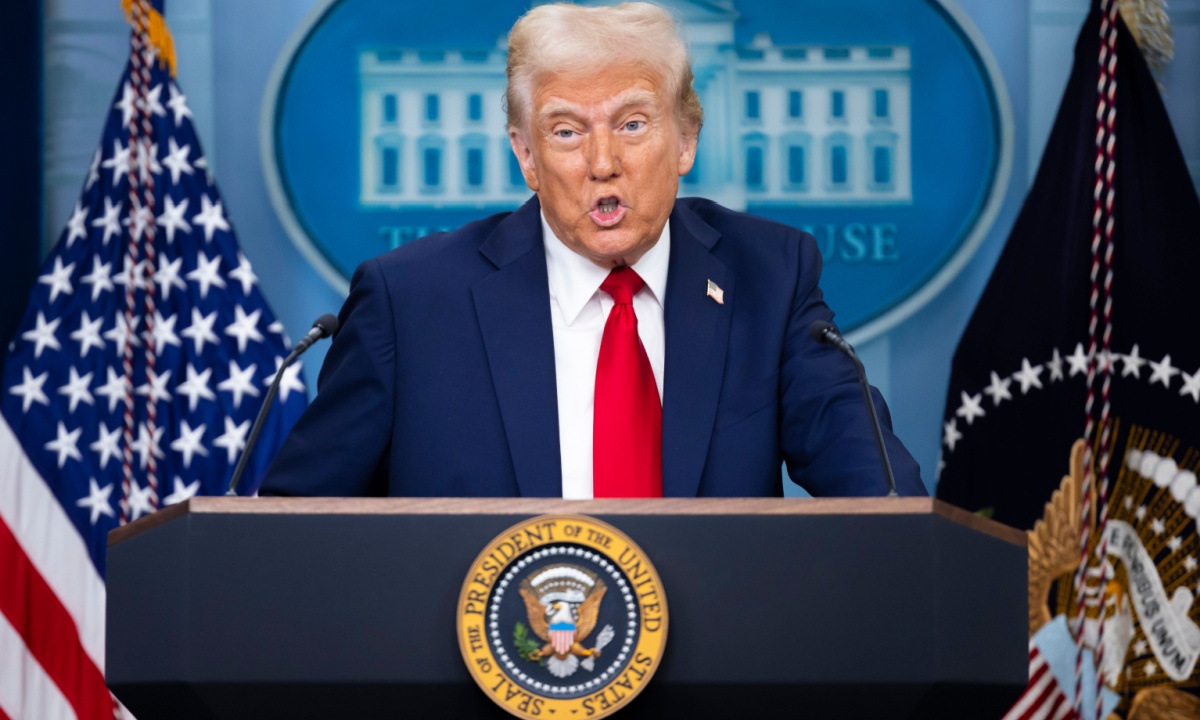
President Trump’s recent executive order aimed at overriding state-passed AI laws may be earning applause from technology companies that have been clamoring for relief from a morass of sometimes conflicting compliance requirements. But it’s earning jeers from state officials.


    Get the Full Story

    Complete the form to unlock this article and enjoy unlimited free access to all PYMNTS content — no additional logins required.

    yesSubscribe to our daily newsletter, PYMNTS Today.

    By completing this form, you agree to receive marketing communications from PYMNTS and to the sharing of your information with our sponsor, if applicable, in accordance with our Privacy Policy and Terms and Conditions.

    In the days since the preemption order was announced, governors and state legislators in at more than half a dozen states, including Florida, California, Illinois, Colorado, Texas, New York and Wisconsin, have issued statements vowing not to be deterred from enforcing AI laws on their books or passing new ones.

    “This executive order does little to protect innovation or the interests of Americans,” California Governor Gavin Newsom (D) said in a post on X. “California will continue building a nation-leading innovation economy while implementing common sense safeguards.”

    A spokesperson for Illinois Governor JB Pritzker (D) called the move “unlawful” and “a blatant federal overreach,” per the Chicago Daily Herald, adding that his office is reviewing the order and considering next steps.

    In a letter addressed directly to Trump, Wisconsin Gov. Tony Evers (D) wrote, “it is breathtaking for you to threaten to punish and withhold federal funding from states like Wisconsin for taking decisive, bipartisan action to pass common-sense policies that protect Wisconsinites from being potentially being sexually exploited using AI-generated materials or being deceived by political ads made using AI.”

    Even Republican governors pushed back on the order, albeit in more measured language. Florida Gov. Ron DeSantis on Monday said the executive order would not stop the state from pursuing its own AI policies, according to Politico. He vowed to forge ahead with plans to implement the AI “bill of rights” he announced earlier this month.

    Read more: White House Prepares Overhaul of U.S. Cyber Rules 

    The executive order directs the Justice Department to establish an AI Litigation Task force charged with challenging state AI regulations in court on grounds they interfere with interstate commerce. It also directs the Commerce Department and the FTC to review state laws, and threatens to withhold federal funding from states determined to have “overly burdensome” AI regulations.

    The order followed two failed attempts by Republicans in Congress to insert language to ban state AI regulations into unrelated bills.

    Some legal experts questioned whether the executive order will have the legal force Trump is hoping for.

    The order opens a “pandora’s box of not only constitutional issues, but also issues pertaining to the EO’s interpretation and scope,” according to the analysis by Woods Rogers Vandeventer Black, CFO Dive reported. “Some constitutional scholars have argued that an executive order attempting to preempt State AI laws would violate State sovereignty under the anti-commandeering doctrine rooted in the Tenth Amendment,” the attorneys wrote.

    The American Civil Liberties Union said in a statement that the president “may not unilaterally and retroactively change the conditions on federal grants to states after the fact.” Each of those grants, senior policy counsel Cody Venzke said, is “an agreement between states and the federal government, and threatening to withhold funds for schools, broadband buildout, nutritional support, and more for unrelated AI policy fights will unnecessarily harm the American people.

    The intensity of the pushback on the order suggests the order itself could end up being challenged in court before the DOJ’s AI Litigation Task Force can challenge any state laws.