
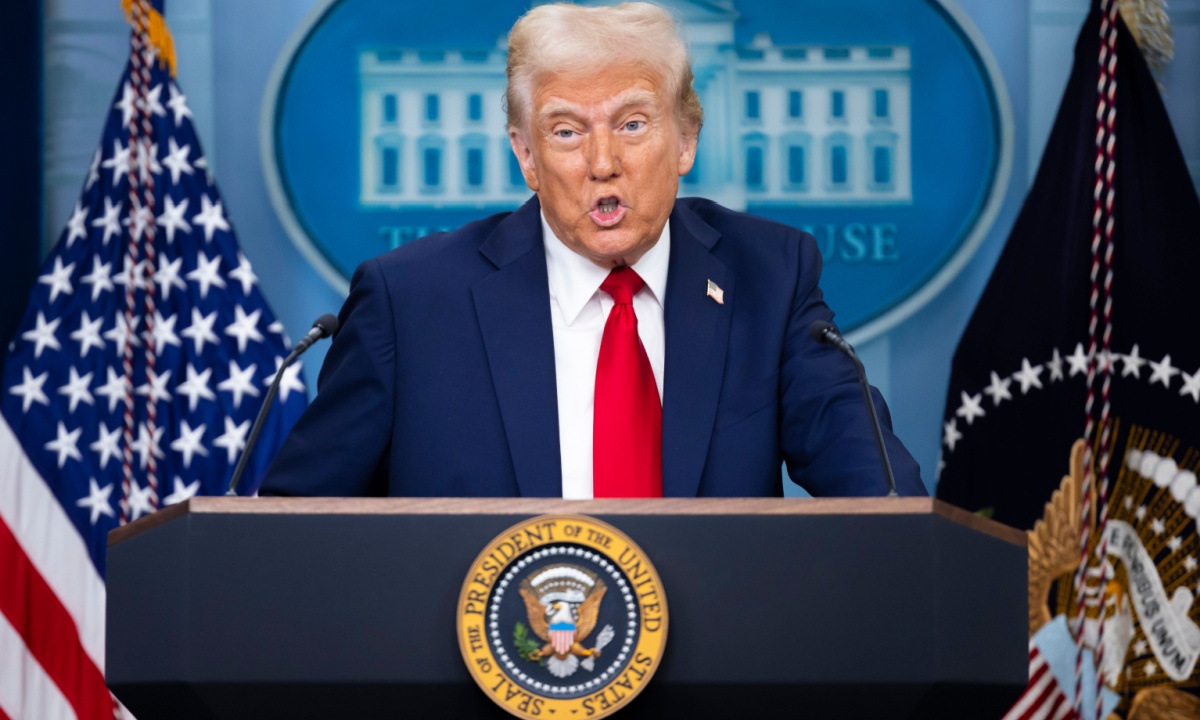
Liberal U.S. Senator Bernie Sanders voiced support on Wednesday for President Donald Trump’s proposal to turn federal subsidies for semiconductor companies into government ownership stakes. The plan includes $10.9 billion in grants to Intel, according to Reuters.
Featured News
EU Set to Review Rival Netflix and Paramount Skydance Bids for Warner Bros. Discovery
Jan 21, 2026 by
CPI
Judge Tosses Drug Pricing Conspiracy Case Against CVS, UnitedHealth, Evernorth
Jan 21, 2026 by
CPI
House Panel Alleges CVS Used Contracts to Suppress Pharmacy Competition
Jan 21, 2026 by
CPI
AI Is Changing M&A as Regulators Target ‘Killer Acquisitions’ and Data Control
Jan 21, 2026 by
CPI
Epic Games Brings in Veteran Tech Lawyer as Legal Chief
Jan 21, 2026 by
CPI
Antitrust Mix by CPI
Antitrust Chronicle® – Recidivism
Jan 21, 2026 by
CPI
Recidivism, Multiple Offending, and Serial Offending in Antitrust
Jan 21, 2026 by
Gregory Werden
Antitrust Recidivism: Why Repeat Cases Appear, and Why True Reoffending Is Rare in the United States
Jan 21, 2026 by
Lisa M. Phelan, Megan S. Golden, Adrienne Irmer & Nina Worth
99 Antitrust Problems – Is Recidivism One?
Jan 21, 2026 by
Brian A. Ratner & Kartik S. Madiraju
Holding A Cat by the Tail: A View of Cartel Recidivism in U.S. Antitrust Enforcement
Jan 21, 2026 by
Mark & KaDee L. Ru