
A PYMNTS Company

EU Investigates Nasdaq and Deutsche Börse Over Possible Collusion in Derivatives Market
 |  November 9, 2025

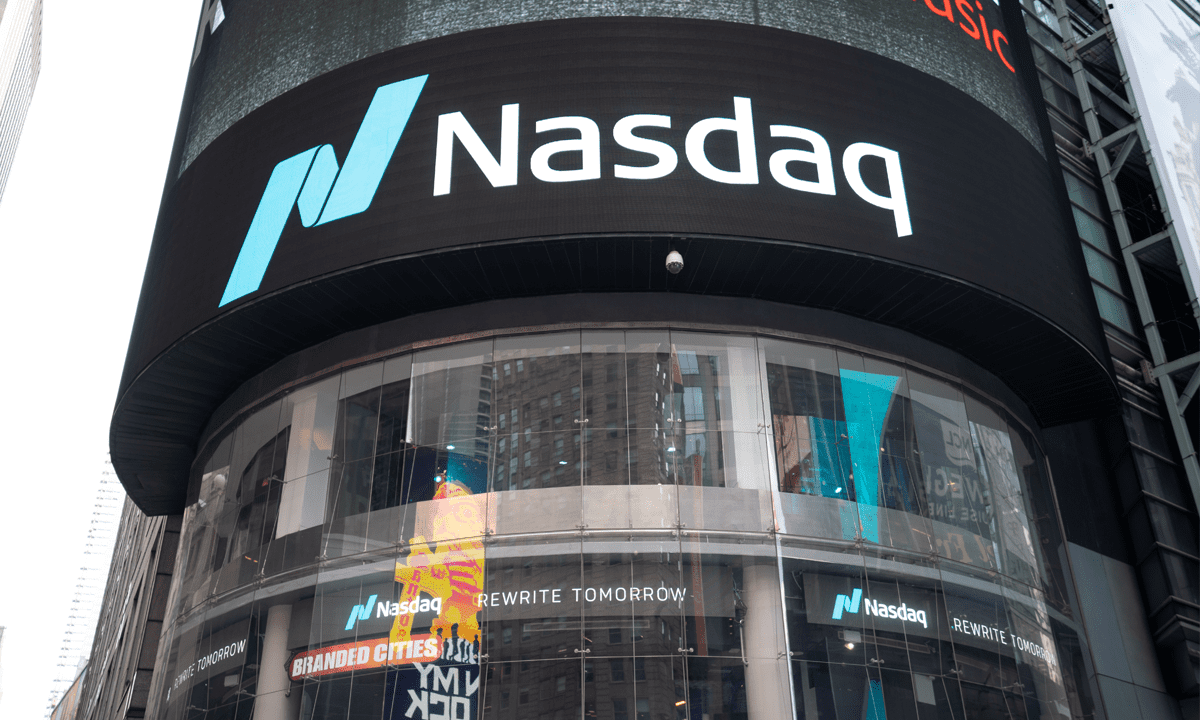
The European Union’s competition authorities have opened a formal investigation into Nasdaq and Deutsche Börse, two of the world’s largest exchange operators, to determine whether they engaged in anticompetitive practices in the derivatives sector, according to the Wall Street Journal.

    Get the Full Story

    Complete the form to unlock this article and enjoy unlimited free access to all PYMNTS content — no additional logins required.

    yesSubscribe to our daily newsletter, PYMNTS Today.

    By completing this form, you agree to receive marketing communications from PYMNTS and to the sharing of your information with our sponsor, if applicable, in accordance with our Privacy Policy and Terms and Conditions.

    The probe focuses on a cooperation agreement dating back to the late 1990s between Deutsche Börse’s Eurex and the Helsinki Stock Exchange, now part of Nasdaq. The European Commission is examining whether the arrangement may have led to the two firms agreeing not to compete on the listing, trading, or clearing of certain financial derivatives, per the Wall Street Journal. Regulators are also investigating whether the exchanges coordinated prices, divided market demand, or exchanged sensitive commercial information.

    The European Commission, the EU’s executive arm, conducted surprise inspections at the companies’ offices in September 2024 as part of its inquiry into their business practices. The move to a formal investigation increases the likelihood of potential fines if violations of EU competition law are found. Both Nasdaq and Deutsche Börse have denied any wrongdoing.

    The original 1999 cooperation pact allowed Eurex members to trade Nordic products, including options tied to Finnish technology giant Nokia. At the time, the Helsinki exchange promoted Eurex’s derivatives within the Nordic region. The deal coincided with a period of expansion for Eurex, which was gaining momentum through its adoption of electronic trading.

    Related: EU Launches Antitrust Probe into Deutsche Börse and Nasdaq Over Derivatives Trading Practices

    “Nasdaq believes that the cooperation was lawful. It was discussed with the European Commission when it was announced, and no objections were ever raised until after the cooperation had ended,” the company stated, according to the Wall Street Journal.

    Deutsche Börse and its derivatives arm Eurex emphasized that the agreement was designed to increase efficiency and liquidity in the Nordic markets rather than suppress competition. “In particular, it aimed to build deeper liquidity in the respective Nordic derivatives markets and create efficiencies. It provided clear benefits for market participants and was public,” a company spokesperson said.

    Deutsche Börse shares dropped more than 3% following news of the investigation, while Nasdaq’s stock rose slightly after markets opened.

    The case marks the latest effort by EU regulators to clamp down on suspected collusion within the financial sector. The European Commission has previously imposed hefty fines on major banks for forming cartels involving government bonds and interest-rate derivatives. According to the Wall Street Journal, the EU has also targeted several U.S. technology firms — including Apple, Meta Platforms, and Google’s parent company Alphabet — in separate antitrust actions, adding to ongoing trade tensions with Washington.

    Source: Wall Street Journal.