
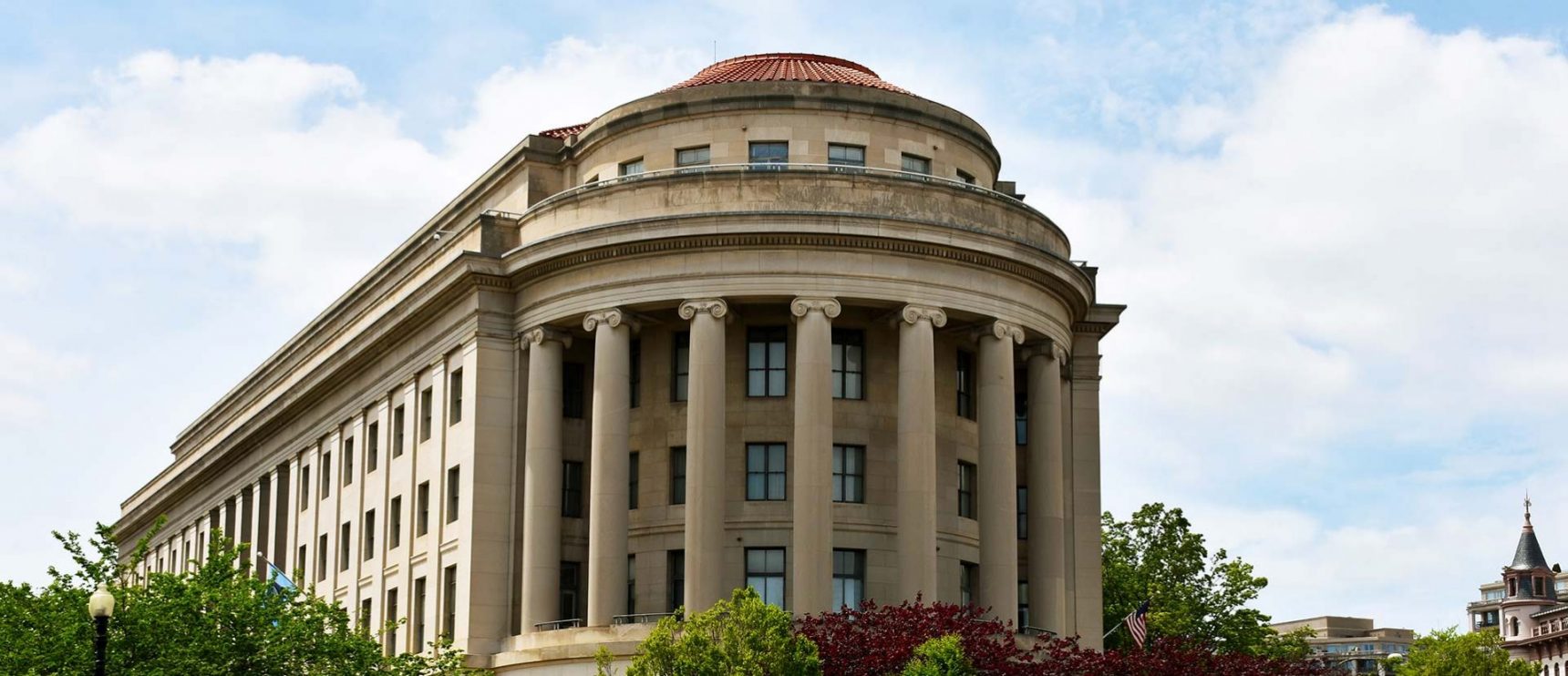
The Federal Trade Commission today voted to expand its criminal referral program as part of its work to stop and deter corporate crime. While the FTC’s authority is limited to civil enforcement, the policy statement adopted at today’s open meeting will enhance the agency’s efforts to combat the criminal misconduct the FTC uncovers in consumer protection and antitrust investigations.
Featured News
States Move to Rein In Crypto Kiosks as Fraud Concerns Mount
Apr 29, 2026 by
CPI
Italian Drugmaker to Buy KalVista for $1.9 Billion
Apr 29, 2026 by
CPI
France Flags Systemic Rule Violations in Online Marketplaces Amid EU Crackdown
Apr 29, 2026 by
CPI
NCAA Agrees to End Prize Money Restrictions in Settlement with Tennis Players
Apr 29, 2026 by
CPI
South Korea Regulator’s Move on Coupang Founder Triggers Planned Lawsuit
Apr 29, 2026 by
CPI
Antitrust Mix by CPI
Antitrust Chronicle® – Unilateral Effects
Apr 28, 2026 by
CPI
A Net Present Value Approach to Merger Analysis
Apr 28, 2026 by
Joseph J Simons & Malcolm Coate
Generative AI and Competitive Disruption: Increasingly Relevant for Merger Analysis?
Apr 28, 2026 by
Andrea Coscelli, Emily Chissell, Nitika Bagaria & Tega Akati-Udi
Non-Price Unilateral Effects In Media Mergers
Apr 28, 2026 by
Lapo Filistrucchi & Teresa Oriani
Ecosystem Mergers and Unilateral Effects? A Framework for Assessing the Ecosystem Theory of Harm
Apr 28, 2026 by
Ethel Fonseca, George Tucker & Helder Vasconcelos