
Guidance in Uncharted Territory: Three Commission Cases Signal New Era in EU Competition Enforcement
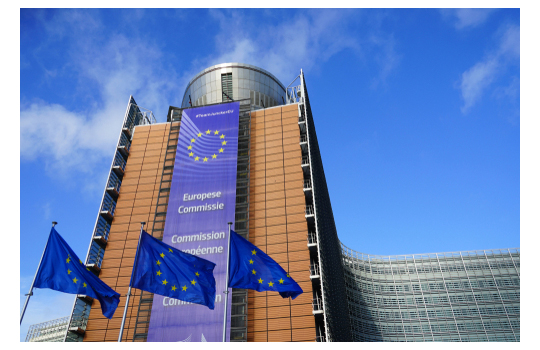
In this blog post, authors Robert Klotz & Maira Aivalioti (Steptoe) talk about how the European Commission is increasingly open to supporting joint initiatives among competitors when such efforts align with EU policy priorities like sustainability and agriculture. Through two recent informal guidance letters and one opinion, the Commission demonstrated a willingness to clarify gray areas in competition law while encouraging collaborations that promote broader EU objectives. This reflects a shift toward a more adaptive enforcement strategy, where the Commission positions itself not only as an enforcer but also as a partner for businesses navigating complex regulatory environments.
Featured News
US Appeals Court Reinstates AI Pricing Antitrust Case Against Atlantic City Casinos
Jul 29, 2026 by
CPI
Democratic Senators Seek SEC Investigation Into Trump Media’s Premium
Jul 29, 2026 by
CPI
Publicis Challenges Naming in India Antitrust Investigation Before Delhi Court
Jul 29, 2026 by
CPI
Appeals Court Revives AI Hotel Pricing Antitrust Lawsuit Against Caesars, MGM
Jul 29, 2026 by
CPI
EU Warns FIFA Commercial Overhaul Could Violate Competition Law
Jul 29, 2026 by
CPI
Antitrust Mix by CPI
Antitrust Chronicle® – Antitrust Compliance
Jul 20, 2026 by
CPI
Your Antitrust Compliance Program: A Strong Voice in Your Defense
Jul 20, 2026 by
Joe Murphy
Antitrust Compliance for the AI Pricing Era
Jul 20, 2026 by
Alejandra Uria & Andre Geverola
Race to Report: Antitrust Leniency in the Whistleblower Era
Jul 20, 2026 by
Brian R. Faerstein & Nicole H. Sprinzen
Antitrust-By-Design: Competition Compliance in Digital Markets
Jul 20, 2026 by
Marcos Drummond Malvar, Gabriela Costa Carvalho Forsman & Luciana Mendes