
A PYMNTS Company

Trump, GOP Lawmakers Consider Reviving Federal Ban on State AI Regulations

 |  November 20, 2025

Reports of the moratorium on state AI law’s death may have been premature. So, too, for the controversy around the issue.

    Get the Full Story

    Complete the form to unlock this article and enjoy unlimited free access to all PYMNTS content — no additional logins required.

    yesSubscribe to our daily newsletter, PYMNTS Today.

    By completing this form, you agree to receive marketing communications from PYMNTS and to the sharing of your information with our sponsor, if applicable, in accordance with our Privacy Policy and Terms and Conditions.

    Republicans in the House are considering adding language to the must-pass National Defense Authorization bill that would effectively ban state regulation of AI, Majority Leader Steve Scalise told Punchbowl News on Monday. That was followed Wednesday by multiple reports that the Trump administration is considering a draft executive order directing the Department of Justice to sue states that pass that pass laws regulating the technology.

    The ban on state AI laws was originally included in the Big Beautiful Bill (BBB) in Congress in the summer. But was ultimately stripped out of the budget reconciliation measure by a vote of 99-1 in the Senate before it was passed.

    Although the moratorium was not in the version of BBB Trump signed in July, the White House AI Action Plan released later that month included a proposal to withhold certain federal funds from states with “overly burdensome” AI regulations. According to a copy of the draft EO viewed by the Washington Post, the administration is now considering suing states that pass AI laws for interfering with interstate commerce.

    TechREG Tracker

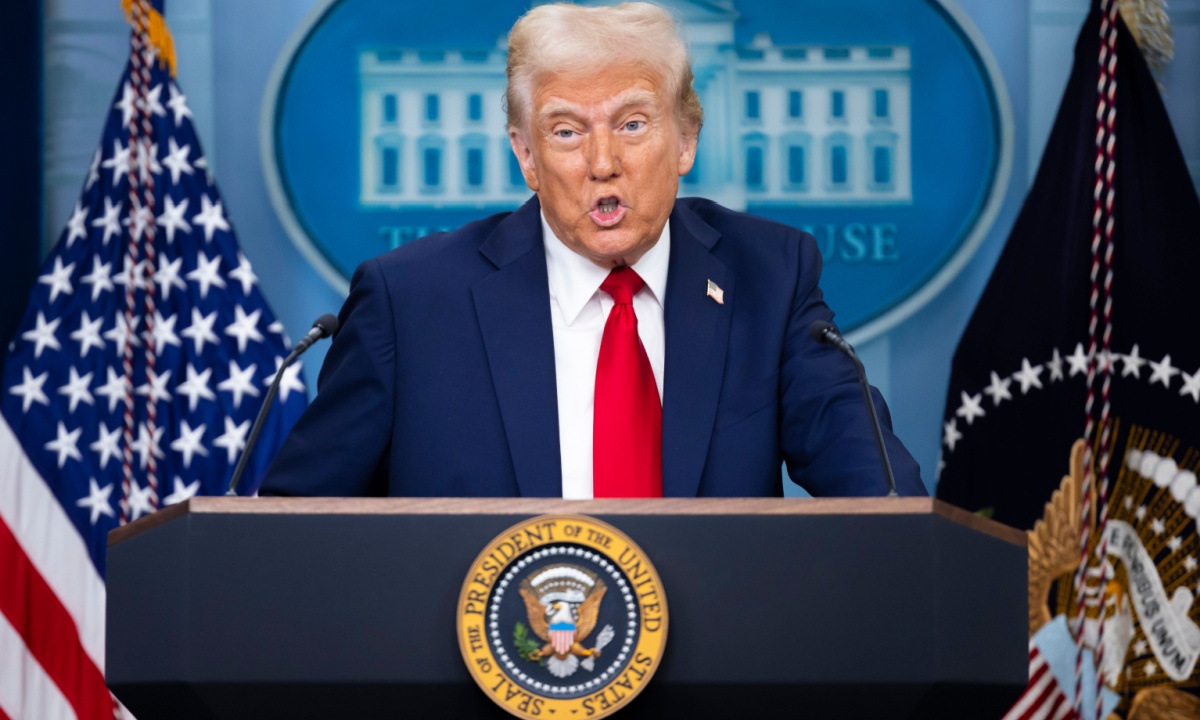
    In a post on Truth Social on Wednesday, Trump called for “one Federal Standard instead of a patchwork of 50 State Regulatory Regimes” and warned that without it the U.S. could lose its lead over China in the AI race. “Investment in AI is helping to make the U.S. Economy the ‘HOTTEST’ [sic] in the World, but overregulation by the States is threatening to undermine this Major Growth ‘Engine’,” he said.

    Around 100 laws affecting AI were enacted in 38 states in 2025, according to the National Council of State Legislatures. More than 260 bills were introduced this year in all 50 states, plus Puerto Rico and the District of Columbia.

    The proliferation of state AI laws follows an increasingly familiar pattern in which a lack of comprehensive federal regulation governing technology-related areas, such as data privacy, social media access and e-commerce, has left a void that states have attempted to fill. For technology companies, the result has been a complex patchwork of state laws raising significant compliance challenges, greater risk, and increasing costs and resource requirements.

    Related: New Super PAC With GOP Ties Pledges $100M to Back Pro-Crypto Candidates in 2026 Midterms

    Whether the federal ban on state AI laws will fare any better this time than in the summer is unclear, however. Sens. Adam Schiff (D-CA) and Josh Hawley (R-MO) have publicly opposed adding the moratorium to the Defense funding bill, reflecting broader bipartisan opposition to the ban on Capitol Hill.

    Republican Govs. Ron DeSantis of Florida and Spencer Cox of Utah also voiced opposition in posts on X to federal preemption of state laws.

    The draft executive order could also face challenges if it were officially issued. “Preemption is a question for Congress, which they have considered and rejected, and should continue to reject,” state director for the nonprofit Center for Democracy and Technology Travis Hall told WaPo.  “This proposal is shocking in its disregard for the democratic processes of state governments in their work to address the real and documented harms arising from AI tools.”

    The White House has declined to comment in response to media inquiries about the EO.  “Until officially announced by the [White House], discussion about potential executive orders is speculation,” a White House official told Axios.