
A PYMNTS Company

Rio Tinto and Glencore Call Off Talks on $260B Mining Tie-Up

 |  February 5, 2026

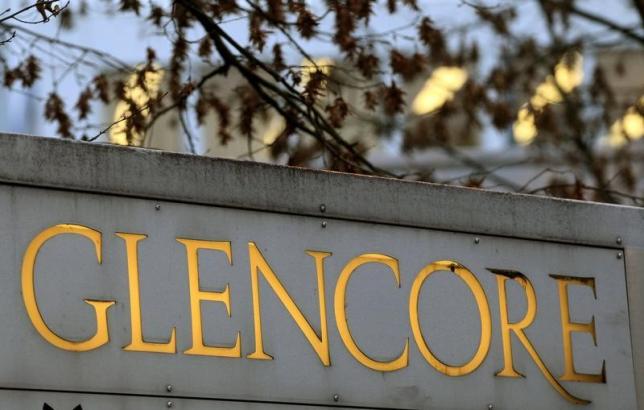
Plans for a landmark merger between mining giants Rio Tinto and Glencore have been abandoned, ending months of negotiations that could have produced the world’s largest mining company, according to the Financial Times. The proposed deal, valued at about $260bn, collapsed after the companies failed to bridge differences over valuation and leadership structure as a regulatory deadline approached.

    Get the Full Story

    Complete the form to unlock this article and enjoy unlimited free access to all PYMNTS content — no additional logins required.

    yesSubscribe to our daily newsletter, PYMNTS Today.

    By completing this form, you agree to receive marketing communications from PYMNTS and to the sharing of your information with our sponsor, if applicable, in accordance with our Privacy Policy and Terms and Conditions.

    The discussions, which had stretched on intermittently for more than a year and a half, broke down this week as both sides reached what insiders described as a deadlock. Per the Financial Times, negotiations intensified in recent weeks but ultimately could not overcome disagreements on how the combined group would be governed and how much each business was worth.

    Rio Tinto said it had “determined that it could not reach an agreement that would deliver value to its shareholders,” formally ending the talks. The deadline for Rio to either make a binding offer or withdraw — often referred to as a “put up or shut up” date — was February 5, unless both companies agreed to extend discussions. With no agreement reached, the companies are now barred from reviving merger talks for at least six months.

    People familiar with the negotiations said the differences proved too wide to resolve, even after weeks of detailed discussions. According to the Financial Times, earlier reporting had already highlighted significant gaps between the two sides on valuation and governance, which remained unresolved until the final hours.

    Glencore, for its part, expressed frustration with Rio’s position. The company said it objected to Rio’s push to keep its chair and chief executive in charge of the combined group and argued that the proposed terms failed to reflect Glencore’s underlying value, particularly its copper assets. Copper has become a highly sought-after commodity as demand surges from electrification projects and the rapid expansion of artificial intelligence infrastructure.

    Per the Financial Times, Glencore had been seeking a premium that would have left its shareholders with roughly 40 per cent of the merged entity. That level of ownership was a key sticking point in the talks, contributing to the eventual collapse of the deal.

    Markets reacted swiftly to the news. Glencore shares fell sharply in London trading, at one point dropping around 10 per cent before closing down about 7 per cent at £4.75. Rio Tinto’s London-listed shares were comparatively steady, ending the session down roughly 2.6 per cent at £68.26.

    The failed negotiations add to a growing list of high-profile, unsuccessful consolidation attempts in the mining industry. According to the Financial Times, other recent examples include BHP’s repeated but unsuccessful bids for Anglo American. Together, these setbacks underscore how difficult it has become to execute megamergers in a sector grappling with regulatory scrutiny, valuation disputes and strategic competition for critical minerals.

    Source: The Financial Times