
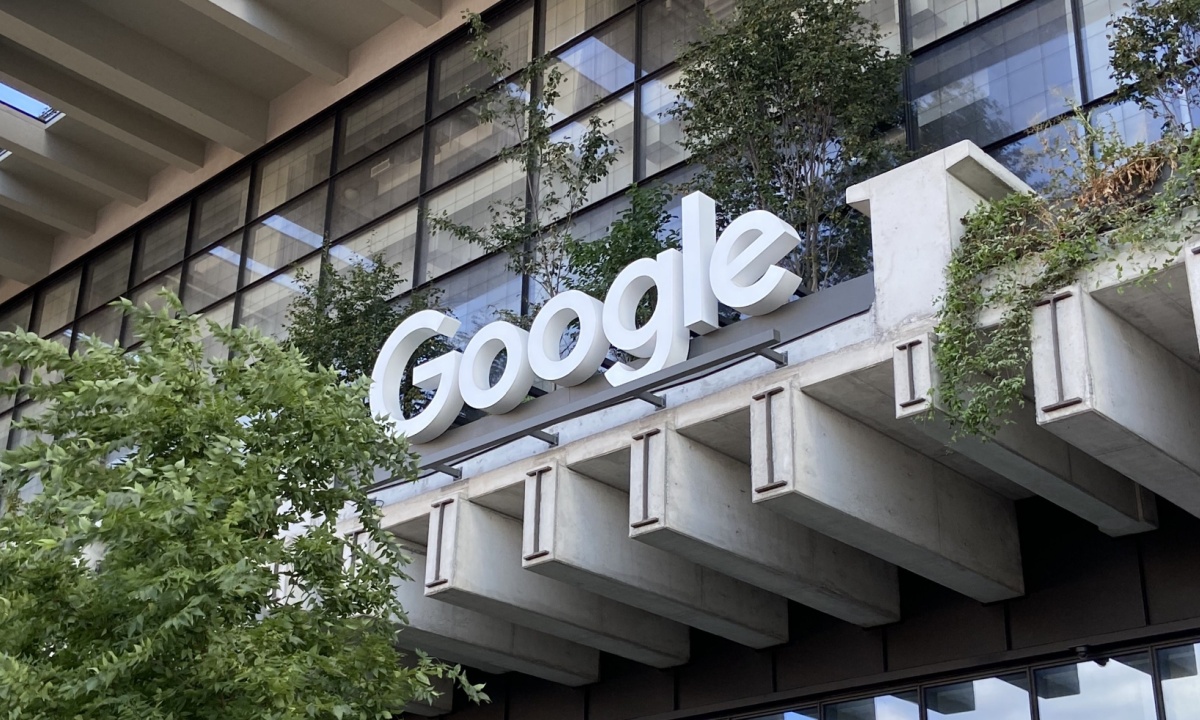
The U.S. Department of Justice concluded its antitrust case against Google on Monday, arguing that the tech giant illegally dominated the online advertising market. This marks the latest effort by federal prosecutors to hold the company accountable for alleged monopolistic practices. The closing statements followed a 15-day trial held in September, where the government sought to demonstrate Google’s control over ad servers, advertiser networks, and ad exchanges, which serve as critical intermediaries between buyers and sellers in digital advertising.

 Add as Preferred Source
Featured News
Michigan Loses Antitrust Case Accusing Oil Giants of Blocking Renewable Energy
Sep 22, 2026 by
CPI
EU Antitrust Chief Says European SpaceX Challenger Will Face Full Merger Scrutiny
Sep 22, 2026 by
CPI
Canada Competition Bureau, Empire Settle Grocery Property-Control Probe
Sep 22, 2026 by
CPI
DoorDash $131.5 Million Settlement Puts New Focus on Gig Economy Regulation
Sep 22, 2026 by
CPI
UN Chief Presses for Global AI Framework With Independent Oversight
Sep 22, 2026 by
CPI
Antitrust Mix by CPI
Antitrust Chronicle® – National Security
Sep 22, 2026 by
CPI
National Security in U.S. Antitrust Enforcement: Toward a More Disciplined Framework
Sep 22, 2026 by
Rod Rosenstein & Timothy Finley
The Department of War’s M&A Review Guidance: What Companies in the Defense Industry Need to Know
Sep 22, 2026 by
Eric Stocking & Paul Ney
National Security, Resilience and the Boundaries of Merger Control
Sep 22, 2026 by
Beatriz Marques
National Security and Competition: Building Resilient Telecommunications Networks
Sep 22, 2026 by
Roslyn Layton