
A PYMNTS Company

Germany Raises Concerns Over EU Draft Merger Guidelines, Warning of Potential Conflict With Existing Law
 |  July 2, 2026
Germany

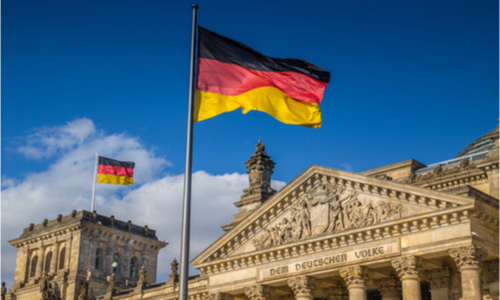
Germany’s Federal Cartel Office (Bundeskartellamt) has cautioned that portions of the European Commission’s proposed overhaul of its merger assessment guidelines may extend beyond the legal framework established under European Union competition law, highlighting growing debate over the future direction of EU merger control.

    Get the Full Story

    Complete the form to unlock this article and enjoy unlimited free access to all PYMNTS content — no additional logins required.

    yesSubscribe to our daily newsletter, PYMNTS Today.

    By completing this form, you agree to receive marketing communications from PYMNTS and to the sharing of your information with our sponsor, if applicable, in accordance with our Privacy Policy and Terms and Conditions.

    The comments come as the European Commission conducts a public consultation on the first comprehensive revision of its Horizontal and Non-Horizontal Merger Guidelines in more than two decades. Published on April 30, 2026, the draft guidelines seek to modernize EU merger review by incorporating factors such as innovation, digital markets, sustainability, labor-market effects, resilience of supply chains, and global competitiveness into merger assessments. The Commission says the revisions are intended to reflect significant economic changes since the current guidelines were adopted in 2004 and 2008.

    According to reporting by Global Competition Review, officials at Germany’s competition authority expressed concern that some elements of the draft could conflict with established EU legal standards governing merger review. While Germany supports updating merger analysis to address modern markets, the Bundeskartellamt reportedly questioned whether certain proposals could broaden the Commission’s discretion beyond what is authorized under the EU Merger Regulation.

    At the center of the debate is the “Significant Impediment to Effective Competition” (SIEC) test, the legal standard under Article 2 of the EU Merger Regulation. Under existing law, the European Commission must demonstrate that a proposed transaction would significantly impede effective competition before prohibiting or conditioning a merger.

    The draft guidelines place greater emphasis on forward-looking assessments of innovation competition, dynamic market developments, ecosystem effects, labor markets, and long-term investment incentives. The Commission argues that these considerations better reflect today’s digital and innovation-driven economy, where competitive harm may arise before traditional indicators such as market share or pricing reveal problems.

    Critics, however, argue that these concepts may rely heavily on predictive economic analysis, making enforcement less predictable for businesses. Some legal scholars and practitioners have also questioned whether introducing broader policy objectives—including resilience, sustainability, and European competitiveness—risks blurring the distinction between competition enforcement and industrial policy.

    The proposed revisions also reflect the European Commission’s broader effort to adapt competition policy to changing geopolitical and technological conditions. Competition Commissioner Teresa Ribera has stated that the updated framework is intended to recognize mergers that enhance innovation, scale, and Europe’s ability to compete globally while continuing to safeguard effective competition and consumer welfare.

    Business groups, competition lawyers, and economists have responded with mixed views. Supporters argue that the guidelines better account for innovation-driven markets and emerging competitive threats, particularly in sectors such as pharmaceuticals, artificial intelligence, and digital platforms. Others warn that expanding the range of factors considered during merger review could reduce legal certainty and increase litigation over Commission decisions.

    The European Commission has opened the draft guidelines for public consultation before issuing a final version later this year. Feedback from Member States, competition authorities, businesses, academics, and other stakeholders is expected to shape the final framework, which will guide EU merger enforcement for years to come.

    Source: Global Competition Review