
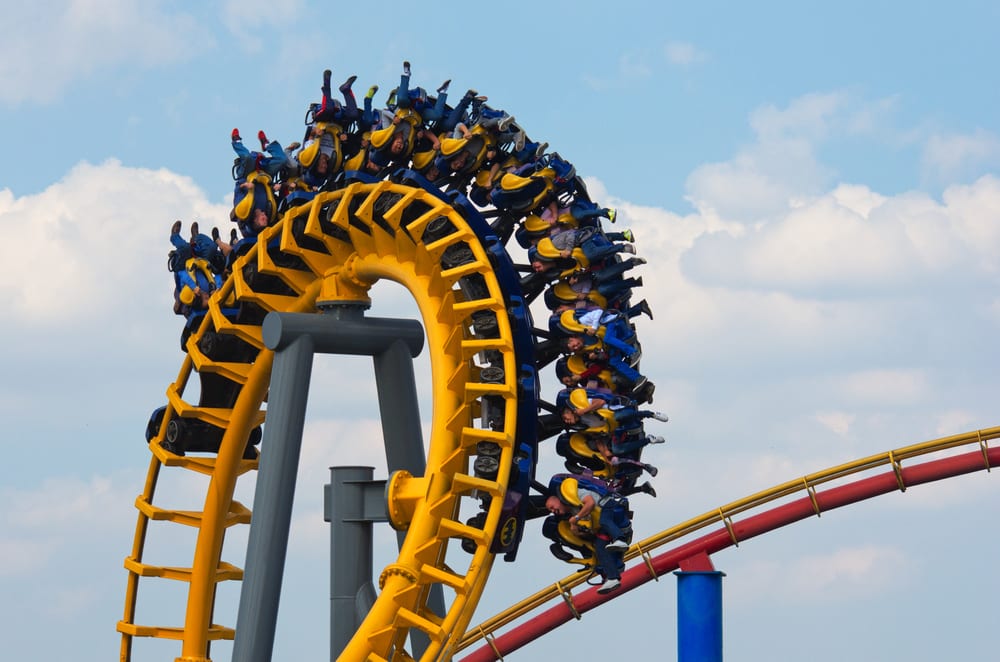
The combined company, worth more than $3.5 billion, will boast 27 amusement parks, 15 water parks and nine resort properties in the U.S., Canada, and Mexico. It will also have entertainment partnerships and a portfolio of intellectual property including Looney Tunes, DC Comics and Peanuts.
Amusement parks have seen an uptick in revenue but have struggled to raise attendance since the pandemic, even as other entertainment sectors have bounced back. A tie-up between two huge players is expected to at least lower costs.
Cedar Fair reported an attendance of 12.4 million guests in its third quarter, a 1% increase from a year earlier. Six Flags announced a 16% rise in its third-quarter attendance, which totaled 9.3 million guests.
Source: Reuters
Featured News
Pierre Cardin Partner Loses Bid to Scrap EU Antitrust Fine
May 6, 2026 by
CPI
Colorado, Once a Startup Haven, Now Faces Exodus
May 6, 2026 by
CPI
IBM CEO Calls for AI Regulation That Protects Innovation
May 6, 2026 by
CPI
SCOTUS Rejects Apple Bid to Pause App Store Contempt Order in Epic Games Dispute
May 6, 2026 by
CPI
Arnold & Porter Strengthens London Competition Team
May 6, 2026 by
CPI
Antitrust Mix by CPI
Antitrust Chronicle® – Unilateral Effects
Apr 28, 2026 by
CPI
A Net Present Value Approach to Merger Analysis
Apr 28, 2026 by
Joseph J Simons & Malcolm Coate
Generative AI and Competitive Disruption: Increasingly Relevant for Merger Analysis?
Apr 28, 2026 by
Andrea Coscelli, Emily Chissell, Nitika Bagaria & Tega Akati-Udi
Non-Price Unilateral Effects In Media Mergers
Apr 28, 2026 by
Lapo Filistrucchi & Teresa Oriani
Ecosystem Mergers and Unilateral Effects? A Framework for Assessing the Ecosystem Theory of Harm
Apr 28, 2026 by
Ethel Fonseca, George Tucker & Helder Vasconcelos