
A PYMNTS Company

Trump, Tech Executives Sign AI Oversight Agreement

 |  September 29, 2026
Trump, Tech Executives Sign AI Oversight Agreement

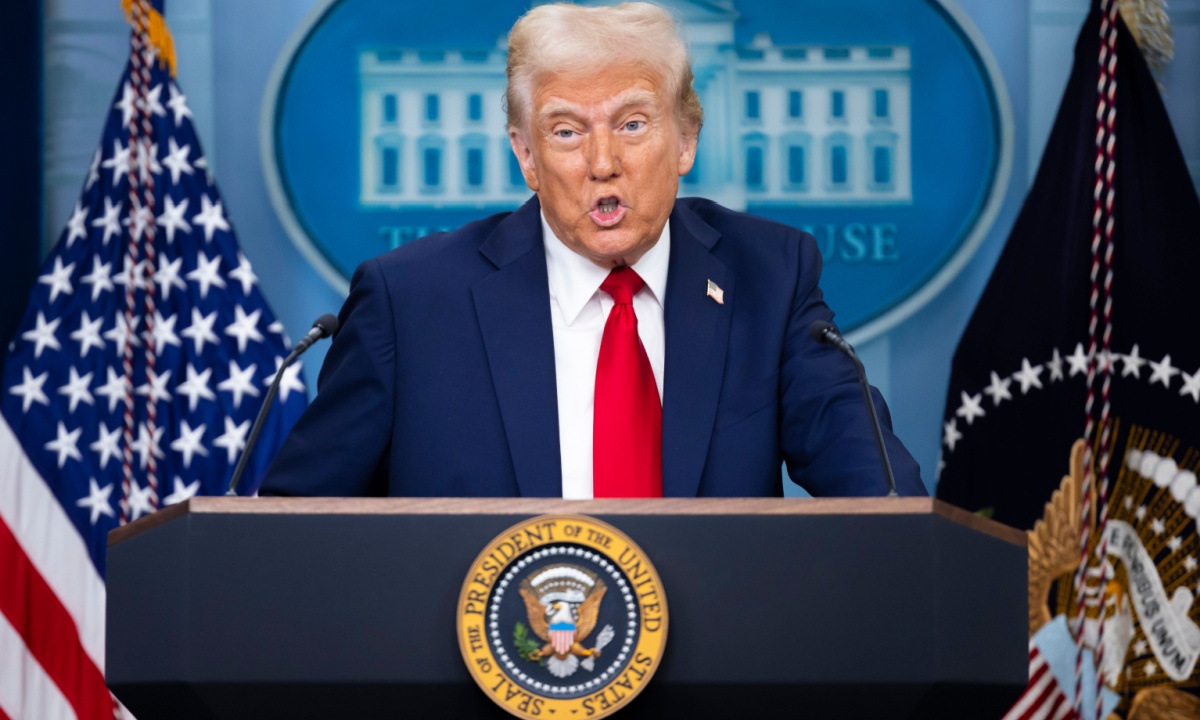
President Donald Trump and technology executives signed an artificial intelligence agreement Tuesday that Trump described as “morally binding,” according to Reuters.


    Get the Full Story

    Complete the form to unlock this article and enjoy unlimited free access to all PYMNTS content — no additional logins required.

    Subscribe to our daily newsletter, PYMNTS Today.

    By completing this form, you agree to receive marketing communications from PYMNTS and to the sharing of your information with our sponsor, if applicable, in accordance with our Privacy Policy and Terms and Conditions.

    Trump compared the document to a constitution and said his administration was considering creating a committee of about 10 people to oversee the AI sector. The announcement followed a meeting between Trump and technology executives in Washington.

    The agreement adds to the ongoing debate over how the United States should regulate rapidly developing AI systems.

    A voluntary approach

    The agreement relies on voluntary commitments rather than new federal regulations. That means the commitments are different from laws or agency rules that can carry legal penalties.

    Trump has generally favored limiting new AI regulations. At the same time, his administration has discussed ways for the government and technology companies to address concerns surrounding increasingly powerful AI systems.

    Several major AI companies have also publicly supported efforts to establish safeguards for advanced systems. The companies and policymakers have differed, however, over what those safeguards should require and whether they should be voluntary or legally enforceable.

    Oversight remains a key issue

    The proposed committee could provide another form of federal oversight, although important details about its authority and responsibilities remain unclear.

    Read more: Tech Companies Scramble to Respond to Shifting White House AI Policies

    We’d love to be your preferred source for news.

    Please add us to your preferred sources list so our news, data and interviews show up in your feed. Thanks!

    Congress has also considered different approaches to AI regulation. Proposals have included greater transparency, testing requirements and independent evaluations of advanced AI systems.

    Those proposals reflect a broader challenge for policymakers. AI technology is developing quickly, while federal legislation and regulatory processes generally take longer to establish.

    Supporters of voluntary standards argue that they allow companies and government officials to respond more quickly as the technology changes. Supporters of binding regulation argue that formal rules provide clearer requirements and enforcement mechanisms.

    What comes next

    The practical effect of the new agreement will depend on its specific commitments and how compliance is monitored.

    Details about the proposed oversight committee—including who would serve on it, what authority it would have and how it would interact with existing federal agencies—will also help determine the administration’s approach.

    For now, the agreement shows the administration pursuing an AI policy that combines voluntary industry commitments with government involvement rather than relying primarily on new federal regulations.

    As AI systems become more widely used, policymakers will continue to face decisions about transparency, safety standards, enforcement and the responsibilities of companies developing the technology.

    Source: Reuters