
A PYMNTS Company

US Judge Clears Path for Broad Beef Antitrust Class Actions Against Major Meatpackers
 |  July 19, 2026
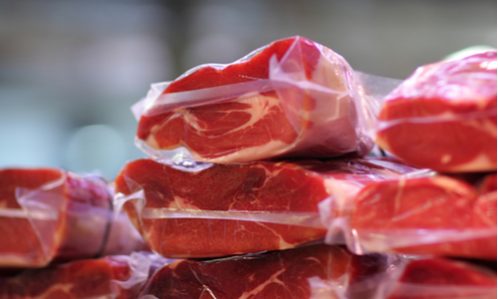
Meat pack

A federal judge has authorized several groups of beef purchasers to proceed collectively in antitrust litigation accusing some of the largest U.S. meat processors of conspiring to raise beef prices, a significant development in one of the country’s most closely watched food-sector competition cases.


    Get the Full Story

    Complete the form to unlock this article and enjoy unlimited free access to all PYMNTS content — no additional logins required.

    yesSubscribe to our daily newsletter, PYMNTS Today.

    By completing this form, you agree to receive marketing communications from PYMNTS and to the sharing of your information with our sponsor, if applicable, in accordance with our Privacy Policy and Terms and Conditions.

    According to Reuters, U.S. District Judge John Tunheim in Minnesota granted class certification for lawsuits brought by consumers, grocers, wholesalers, restaurants and catering businesses alleging that major beef companies coordinated production and supply decisions in ways that increased prices paid by buyers. The ruling, issued Thursday, allows the plaintiffs to pursue claims on behalf of broad classes of purchasers seeking damages that experts have estimated could reach into the billions.

    The litigation targets major meatpackers including Cargill, JBS, National Beef Packing and Tyson Foods. Plaintiffs contend the companies restricted beef supplies and exchanged information in a manner that contributed to elevated beef prices between 2014 and 2020. The companies have denied wrongdoing.

    Reuters reported that plaintiffs’ economic experts estimated potential damages of approximately $13.8 billion for direct purchasers, roughly $1.9 billion for food-service buyers and nearly $2 billion for consumers. Judge Tunheim, however, declined to certify proposed classes seeking injunctive relief that would have required changes to business practices.

    The decision marks another major step in the long-running multidistrict litigation known as In re Cattle and Beef Antitrust Litigation, which has been pending in federal court in Minnesota since claims were first consolidated in 2019. The case is part of a broader wave of antitrust lawsuits involving meat producers across the chicken, pork and turkey industries.

    The dispute has also renewed attention on the structure of the U.S. beef processing industry. According to Reuters, the defendant companies collectively account for more than 80% of U.S. beef processing capacity, a level of concentration that has long drawn concern from ranchers, lawmakers and competition advocates.

    Industry concentration in meat processing became a prominent policy issue during the COVID-19 pandemic, when plant disruptions and widening spreads between cattle prices and retail beef prices prompted calls for increased regulatory oversight. The U.S. Department of Agriculture and the Department of Justice have previously examined competitive conditions in meat markets, while federal officials have pursued broader efforts to address information-sharing practices and alleged anticompetitive conduct within the sector.

    Related: Texas Targets Meatpacking Giants Amid Rising Beef Costs

    In May, the U.S. Department of Justice and several states reached a settlement with agricultural data firm Agri Stats over allegations that its data products facilitated anticompetitive coordination among meat companies. Federal officials said the settlement was intended to promote competition and potentially lower food prices by limiting certain data-sharing practices and expanding access to market information.

    Several defendants in the beef litigation have already agreed to settlements in related claims while continuing to deny liability. Tyson Foods earlier agreed to pay $82.5 million to resolve claims brought by direct purchasers, while Tyson and Cargill also entered settlements totaling $87.5 million in consumer cases. JBS previously reached separate settlements in related proceedings.

    Law firms Hagens Berman Sobol Shapiro and Lockridge Grindal Nauen were appointed to lead the consumer class actions, according to Reuters. The newly certified classes are expected to continue pursuing claims against remaining defendants as discovery and pretrial proceedings move forward.

    The companies have consistently denied allegations that they engaged in unlawful coordination. The litigation remains ongoing, and no court has determined that the defendants violated antitrust laws. Future proceedings will address the merits of the claims and the extent of any potential damages or additional settlements.

    Source: Reuters