
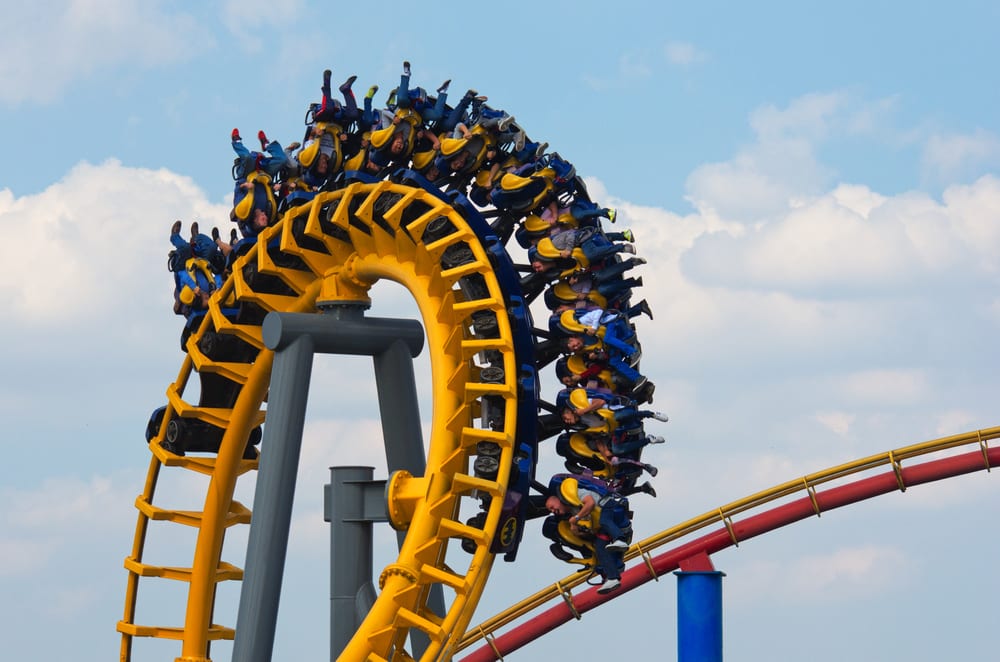
The combined company, worth more than $3.5 billion, will boast 27 amusement parks, 15 water parks and nine resort properties in the U.S., Canada, and Mexico. It will also have entertainment partnerships and a portfolio of intellectual property including Looney Tunes, DC Comics and Peanuts.

 Add as Preferred Source
Amusement parks have seen an uptick in revenue but have struggled to raise attendance since the pandemic, even as other entertainment sectors have bounced back. A tie-up between two huge players is expected to at least lower costs.
Cedar Fair reported an attendance of 12.4 million guests in its third quarter, a 1% increase from a year earlier. Six Flags announced a 16% rise in its third-quarter attendance, which totaled 9.3 million guests.
Source: Reuters
Featured News
Paul Weiss Pushes Back Against Removal Bid in Sugar Antitrust Fight
Sep 24, 2026 by
CPI
Saudi Arabia Reviews Uber’s $14.8 Billion Delivery Hero Takeover
Sep 24, 2026 by
CPI
Pope Leo Warns of AI Threats, Calls for Stronger Global Oversight
Sep 24, 2026 by
CPI
Paramount-Warner Bros. Discovery Merger Settlement Faces Coalition Challenge
Sep 24, 2026 by
CPI
New York Grocery Plan Puts Predatory-Pricing Rules to the Test
Sep 24, 2026 by
CPI
Antitrust Mix by CPI
Antitrust Chronicle® – National Security
Sep 22, 2026 by
CPI
National Security in U.S. Antitrust Enforcement: Toward a More Disciplined Framework
Sep 22, 2026 by
Rod Rosenstein & Timothy Finley
The Department of War’s M&A Review Guidance: What Companies in the Defense Industry Need to Know
Sep 22, 2026 by
Eric Stocking & Paul Ney
National Security, Resilience and the Boundaries of Merger Control
Sep 22, 2026 by
Beatriz Marques
National Security and Competition: Building Resilient Telecommunications Networks
Sep 22, 2026 by
Roslyn Layton