
A PYMNTS Company

BT’s TalkTalk Deal Puts UK Competition Watchdog in a Bind

 |  October 5, 2026
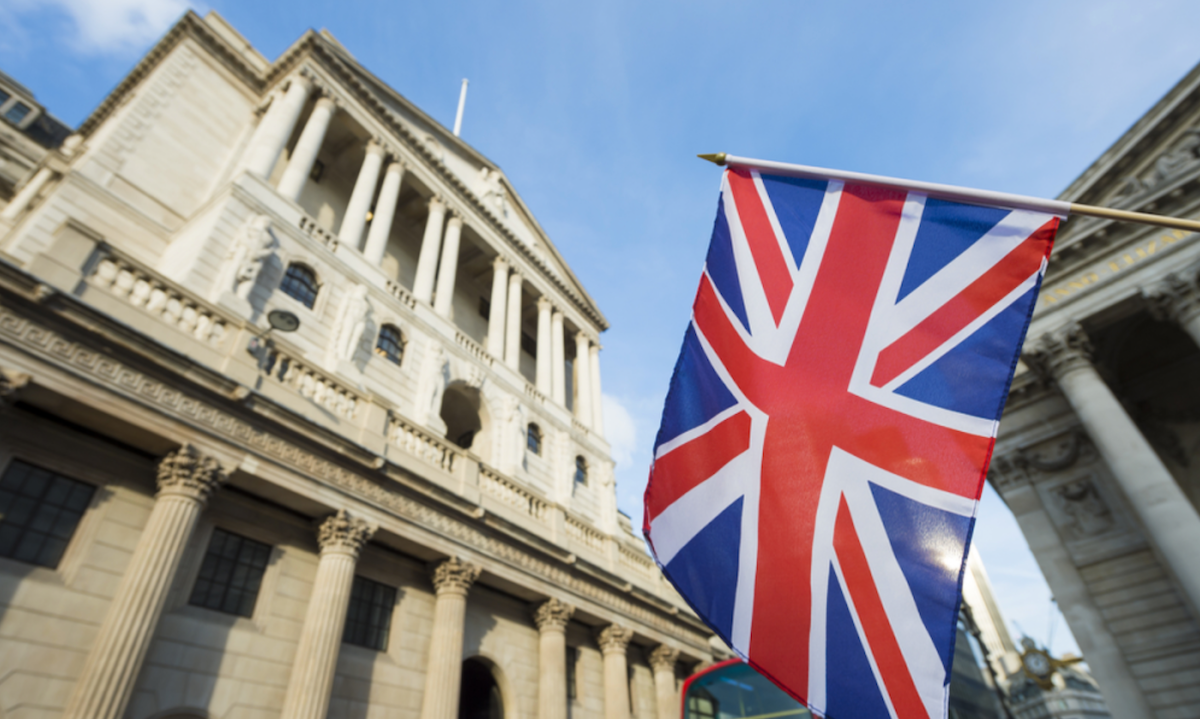
U.K. flag

BT Group’s move to acquire struggling broadband provider TalkTalk is poised to test Britain’s competition watchdog, potentially expanding the market share of the country’s largest broadband company while preventing disruption for millions of customers.


    Get the Full Story

    Complete the form to unlock this article and enjoy unlimited free access to all PYMNTS content — no additional logins required.

    Subscribe to our daily newsletter, PYMNTS Today.

    By completing this form, you agree to receive marketing communications from PYMNTS and to the sharing of your information with our sponsor, if applicable, in accordance with our Privacy Policy and Terms and Conditions.

    The transaction is expected to have a total cash impact of £400 million ($529 million) for BT in its 2027 fiscal year, according to Bloomberg. BT described its intervention as being in the public interest after attempts to find buyers for TalkTalk’s consumer and wholesale operations failed.

    BT Chief Executive Allison Kirkby said the circumstances were exceptional because a failure of TalkTalk could have threatened broadband service for millions of households and businesses. The company’s immediate focus is stabilizing TalkTalk and maintaining service for its customers, she said in the statement, as reported by Bloomberg.

    The acquisition, however, raises a potentially difficult question for the UK Competition and Markets Authority. BT, the former state telephone monopoly, is already the country’s largest broadband provider. Bloomberg reported that CCS Insight analyst Kester Mann estimates BT has roughly 31% of the UK retail broadband market.

    The regulator has recently demonstrated concern about further consolidation in Britain’s telecommunications infrastructure. Bloomberg reported that the CMA last week warned that a proposed merger involving two alternative wholesale fiber networks could reduce competition and result in higher prices.

    TalkTalk’s financial difficulties have been building for years. According to Bloomberg, the company has faced pressure from a heavy debt burden since Toscafund Asset Management LLP and private equity firm Penta Capital took it private in 2021.

    Originally established as a lower-cost broadband competitor, TalkTalk built its consumer business in part by purchasing wholesale access to BT’s Openreach network and reselling broadband services. Intensifying competition and sustained inflation subsequently weakened the company’s economics, Bloomberg reported.

    We’d love to be your preferred source for news.

    Please add us to your preferred sources list so our news, data and interviews show up in your feed. Thanks!

    TalkTalk generated about £1.2 billion in revenue during the past year but remained unprofitable, according to Bloomberg. It serves approximately 1.5 million retail customers and another 1 million wholesale customers across the UK.

    Efforts to secure another buyer had encountered a significant obstacle involving Openreach. Potential acquirers sought concessions from BT’s network division as part of a transaction, Bloomberg reported, citing people familiar with the discussions who requested anonymity because the information was private.

    Openreach said its priority during the process had been ensuring customers remained connected. In a statement cited by Bloomberg, the network operator said it continues to offer providers, including TalkTalk, access to its infrastructure on fair and equivalent terms.

    A TalkTalk representative did not immediately respond to Bloomberg’s request for comment.

    The competing considerations leave regulators confronting an unusual trade-off: allowing the dominant broadband operator to absorb a significant rival could increase concentration, while preventing the transaction could create risks for customers of a financially distressed provider.

    Mann, the CCS Insight analyst, told Bloomberg that BT’s existing position as the clear UK broadband market leader means the transaction will inevitably attract regulatory scrutiny.

    For BT, the immediate rationale is continuity of service. For the CMA, the acquisition presents a broader question over whether the risks created by greater concentration are outweighed by the consequences of allowing one of Britain’s largest broadband providers to fail.

    Source: Bloomberg