
A PYMNTS Company

China’s Counter-Sanctions Measures: An Up-to-Date Overview

 |  August 31, 2026
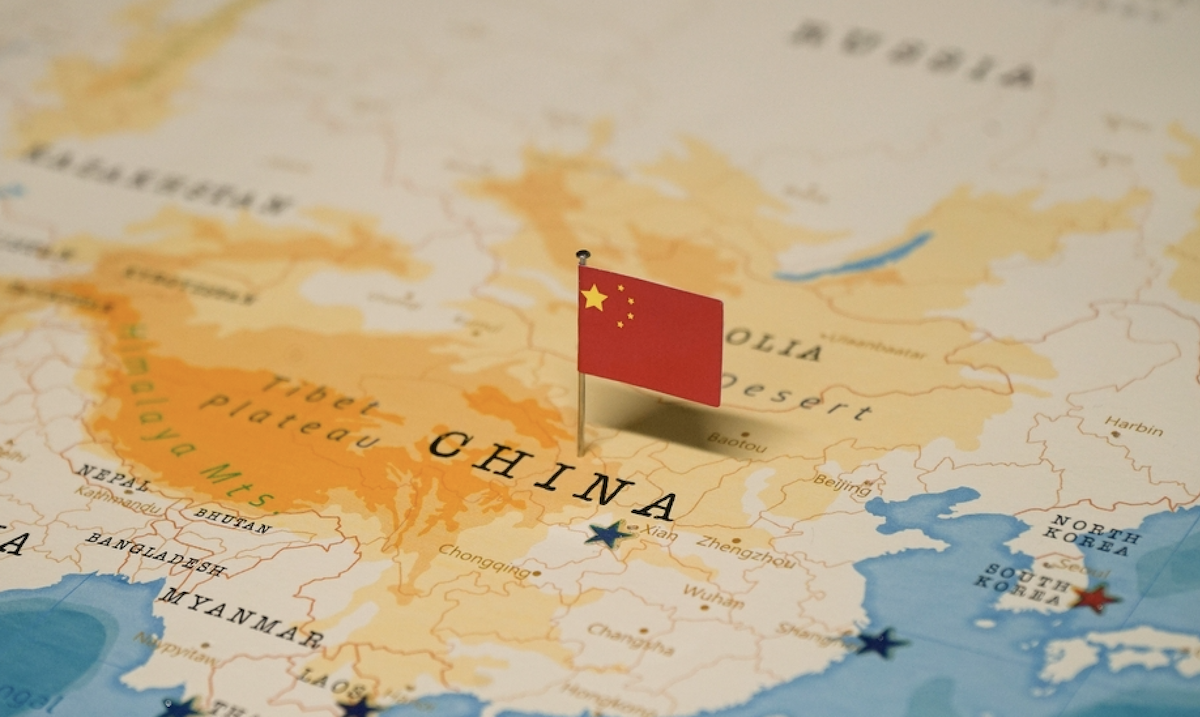
China on map

By: Simon Li & Aijia Yang (AnJie Broad/China Law Vision)

    Get the Full Story

    Complete the form to unlock this article and enjoy unlimited free access to all PYMNTS content — no additional logins required.

    Subscribe to our daily newsletter, PYMNTS Today.

    By completing this form, you agree to receive marketing communications from PYMNTS and to the sharing of your information with our sponsor, if applicable, in accordance with our Privacy Policy and Terms and Conditions.

    In this insight piece for the Anjie Broad’s China Law Vision blog, authors Simon Li & Aijia Yang discuss China’s increasingly active use of its counter-sanctions framework, highlighting the Ministry of Commerce’s August 2026 decision to place seven U.S. entities on the Countermeasure List. The authors explain that foreign companies operating with Chinese entities should understand these measures and the legal risks they create, particularly as China responds more assertively to foreign sanctions and restrictions.

    The framework consists of two broad categories: defensive blocking tools and active countermeasure tools. Defensive mechanisms, including MOFCOM Blocking Orders, Ministry of Justice announcements and Prohibition Orders, seek to prevent the enforcement in China of foreign measures deemed to exercise improper extraterritorial jurisdiction. Active measures, meanwhile, include the Countermeasure List, Unreliable Entity List, Malicious Entity List, Export Control List and supply-chain security investigations.

    The authors examine each of these mechanisms and their increasingly practical application. They note that countermeasures can extend beyond entities directly responsible for restrictive actions, potentially reaching senior executives, family members, controlled entities and other related parties. Foreign companies can also face restrictions on trade, investment, market access, transactions, cooperation and the transfer of dual-use items, while participation in or assistance with allegedly improper foreign measures can itself create exposure.

    Finally, the piece highlights supporting judicial remedies and mechanisms allowing companies to seek exemptions or approval for necessary transactions. The authors conclude that China’s counter-sanctions regime has developed into a comprehensive system that should be considered alongside foreign sanctions requirements. Foreign enterprises are therefore advised to establish a dual compliance framework incorporating Chinese law into global sanctions compliance and supply-chain risk assessments…

    CONTINUE READING…