
By: Darrell M. West (TechTank)
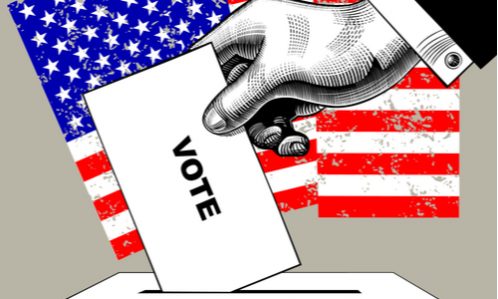
The recent use of an AI-generated video by the Republican National Committee (RNC) to criticize Joe Biden underscores the potential for AI to revolutionize our future elections. With advancements in digital technology, political messaging can now be conveyed more quickly and efficiently, ultimately altering how candidates, voters, and reporters perceive election campaigns. Unlike the past, where small alterations were made to pictures or people’s bodies, we are moving towards a time where entire digital creations can be produced and disseminated with ease. This ease of access, along with affordability, will result in a turbulent era of political propaganda, with limited ability to differentiate between real and fake information, and an uncertain impact on election results. In essence, we will face a Wild West of campaign claims and counter-claims…
Featured News
South Korean Regulators Reward Team Behind Major Sugar Price-Fixing Bust
Apr 26, 2026 by
CPI
Mexico Sues Dozens of Gas Companies Over Price Fixing
Apr 26, 2026 by
CPI
Brazil Antitrust Regulator Advances Probe Into Google’s Use of News Content
Apr 26, 2026 by
CPI
CFTC Sues New York Over Authority in Prediction Market Regulation
Apr 26, 2026 by
CPI
DOJ Expands Antitrust Investigations Across US Agriculture Sector
Apr 26, 2026 by
CPI
Antitrust Mix by CPI
Antitrust Chronicle® – Competitor Collaborations
Mar 26, 2026 by
CPI
Between Scylla and Charybdis – Navigating Transatlantic Antitrust Currents
Mar 26, 2026 by
Tilman Kuhn & Niklas Brüggemann
Cartel Enforcement Moves Into the Labor Market: Trends and Implications
Mar 26, 2026 by
Andreas Kafetzopoulos & Caroline Janssens
Rethinking Buy-Side Antitrust “Group Boycotts”
Mar 26, 2026 by
Craig Falls & Brendan McGuire
Positive Collaborations: The Tools Available to Competition Authorities to Encourage Beneficial Interactions Between Competitors
Mar 26, 2026 by
Rona Bar-Isaac & Thomas Withers