
A PYMNTS Company

Hungary’s Energy Transition: A Solar Success Story Ready For the Next Step

 |  February 13, 2026

By: Gergely Horváth & Daniele Iàcona (Schoenherr)

    Get the Full Story

    Complete the form to unlock this article and enjoy unlimited free access to all PYMNTS content — no additional logins required.

    yesSubscribe to our daily newsletter, PYMNTS Today.

    By completing this form, you agree to receive marketing communications from PYMNTS and to the sharing of your information with our sponsor, if applicable, in accordance with our Privacy Policy and Terms and Conditions.

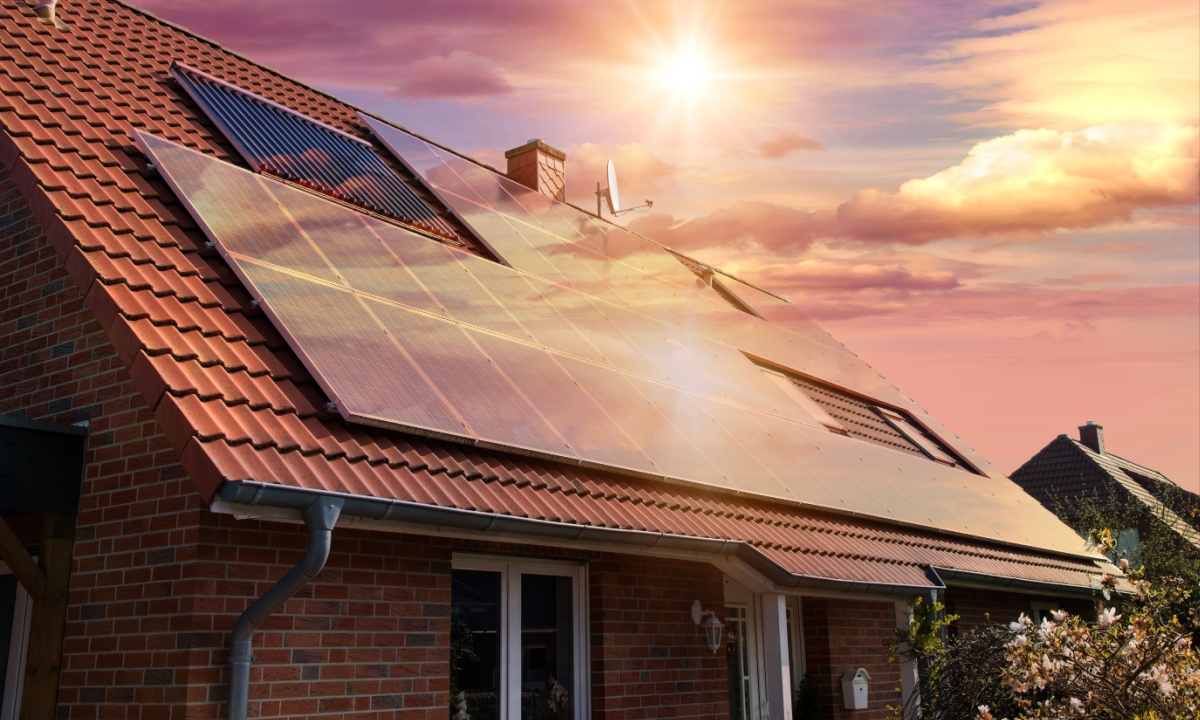
    In this analysis for Schoenherr, authors Gergely Horváth & Daniele Iàcona discuss Hungary’s remarkable transformation into a regional leader in solar energy deployment and the challenges accompanying this rapid transition. The country has dramatically exceeded its initial 2030 target of 6 GW of solar PV capacity, surpassing 9 GW by 2025, with a revised target of 12 GW now in place. However, this solar-focused development has created structural imbalances, as virtually no complementary technologies like wind or hydropower have been deployed, exposing fundamental vulnerabilities in the energy system and creating urgent demand for large-scale storage solutions.

    Battery energy storage systems (BESS) have become a critical priority, with the government targeting 1 GW of installed capacity by 2030. Currently 60-70 MW is operational with another 550 MW licensed and expected by mid-2026. The METÁROLÓ subsidy scheme provides non-refundable CAPEX grants and a ten-year contract for difference for 600 MW of utility-scale storage, with a second funding round anticipated later in 2026. Additional incentives include the Jedlik Ányos Plan offering 30-50% subsidies for SMEs and a new corporate income tax deduction allowing companies to deduct up to 50% of eligible storage investment costs.

    The most significant challenge facing investors is Hungary’s constrained grid infrastructure, with developers effectively unable to secure new grid-connection rights for several years. A new competitive grid-capacity allocation mechanism is expected to launch in Q2 2026, featuring national-level tenders held at least every two years with preference given to projects incorporating battery capacity, hybrid technologies, and strong financial guarantees. Meanwhile, wind energy development has resumed following the end of a decade-long moratorium, with Hungary designating eight renewables acceleration areas for wind turbines, and biogas/biomethane production is receiving approximately EUR 100m in subsidies with aid intensities between 45-65%.

    Hungary’s energy future also includes significant conventional and nuclear developments, notably the state-owned MVM Group’s construction of the 2,400 MW Paks II nuclear plant and two new 500 MW combined-cycle gas turbine plants replacing 1970s-era facilities. Preliminary discussions on small modular reactors (SMRs) have emerged from recent US-Hungarian nuclear cooperation, though details remain limited and regulatory frameworks are still evolving as the government seeks parliamentary approval for domestic SMR planning…

    CONTINUE READING…