
A PYMNTS Company

State AGs and Antitrust Enforcement: Recent Developments in Context

 |  April 2, 2026

By: Michael L. Weiner (Stepto Antitrust & Competition Insights)

    Get the Full Story

    Complete the form to unlock this article and enjoy unlimited free access to all PYMNTS content — no additional logins required.

    yesSubscribe to our daily newsletter, PYMNTS Today.

    By completing this form, you agree to receive marketing communications from PYMNTS and to the sharing of your information with our sponsor, if applicable, in accordance with our Privacy Policy and Terms and Conditions.

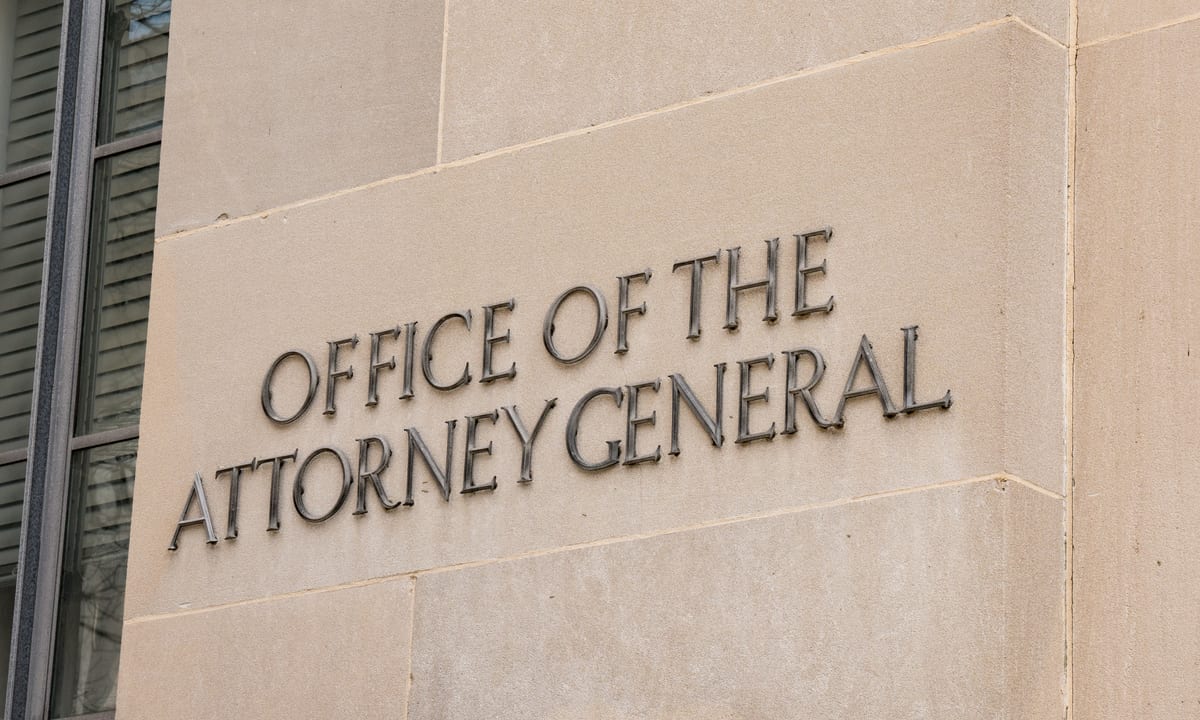
    In this Steptoe Antitrust blog post author Michael L. Weiner takes a look at recent developments highlighting the continued role of state attorneys general in U.S. antitrust enforcement. He points to two major current cases: ongoing state-led litigation against Live Nation despite a proposed federal settlement, and efforts by states to challenge the Antitrust Division’s approval of Hewlett Packard Enterprise’s acquisition of Juniper Networks. These cases underscore how states can—and often do—push for more aggressive enforcement than federal authorities.

    Weiner situates these developments within a long history of federal-state interplay, noting that cooperation often coexists with tension. A landmark example is California v. American Stores Co., where the Supreme Court affirmed that state attorneys general can independently seek structural remedies like divestitures, even when federal agencies have already negotiated settlements. This established a critical precedent empowering states to pursue broader outcomes when they deem federal action insufficient.

    The post also highlights several major enforcement actions where states extended or supplemented federal efforts. In the antitrust case against Microsoft, certain states continued litigation beyond a federal settlement, ultimately securing stronger oversight provisions. Similar parallel actions occurred in cases involving Intel Corporation and Cephalon, where state-led enforcement resulted in additional remedies, restitution, or penalties beyond federal agreements.

    Weiner emphasizes that state attorneys general remain a powerful and independent force in antitrust enforcement. They pursue cases based on their own priorities, which may diverge from federal policy, and can seek more expansive remedies or continue litigation after federal settlements. For businesses, this means antitrust risk must be assessed at both the federal and state levels, while complainants may find states to be more receptive venues for enforcement concerns…

    CONTINUE READING…