The nation’s largest banks are weighing an unusual legal challenge to a federal banking regulator as tensions grow over how the U.S. financial system should accommodate crypto and fintech firms.
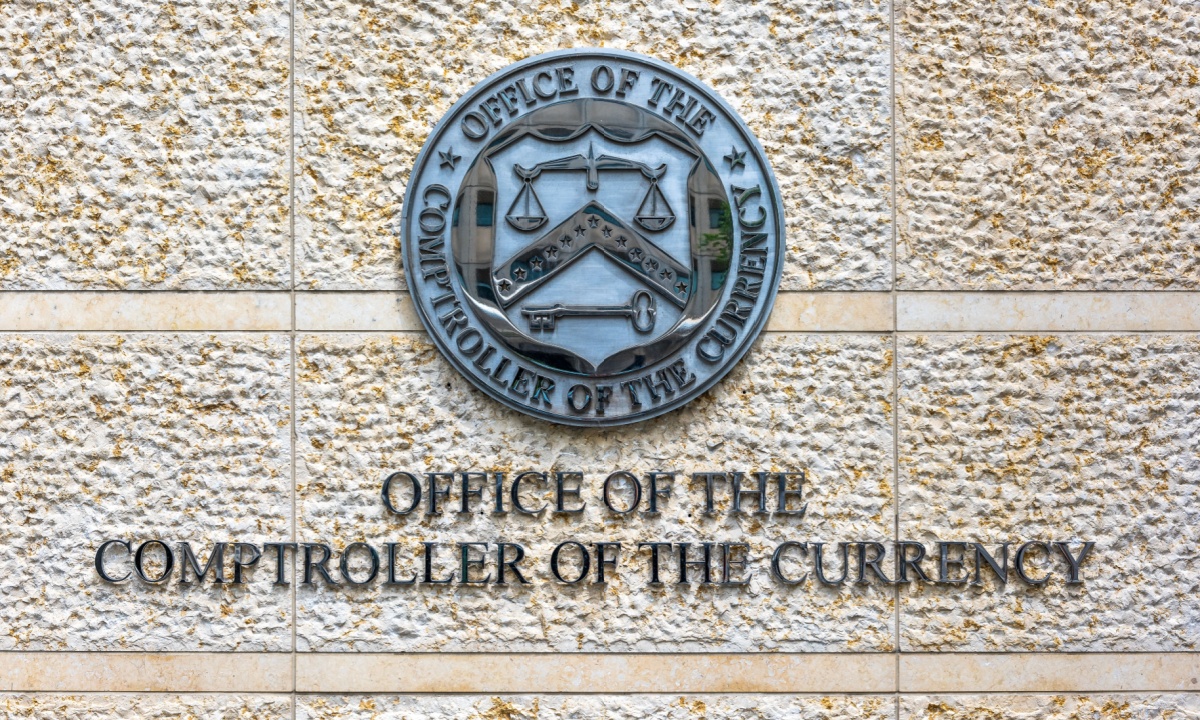
The Bank Policy Institute (BPI), which represents roughly 40 of the country’s largest lenders including JPMorgan Chase, Goldman Sachs and Citigroup, is considering a lawsuit against the Office of the Comptroller of the Currency (OCC) over the agency’s recent moves to grant national trust bank charters to digital asset and fintech companies.
While no complaint has yet been filed, people familiar with the discussions told the Guardian the industry group is assessing its legal options after the OCC effectively lowered the bar for crypto and fintech firms to obtain federal charters that allow them to operate nationwide.
At the center of the dispute is the OCC’s interpretation of federal banking law governing national trust bank charters. These charters allow institutions to provide certain financial services across all 50 states without obtaining separate state licenses.
Under the OCC’s current approach, crypto and fintech firms can apply for these charters even if they do not operate as full-service banks. That means they may offer custody services or other financial products tied to digital assets while avoiding some of the regulatory requirements imposed on traditional deposit-taking banks.
Several companies have already sought or received conditional approval for such charters, including Circle, Ripple, Paxos, Crypto.com and the payments firm Wise, according to Decrypt.
Banks argue that this regulatory framework effectively gives newer entrants the ability to offer bank-like services nationwide without being subject to the same level of prudential supervision and capital requirements as established banks.
Although the BPI has not publicly outlined the precise claims it might bring, statements from the group and its allies suggest several potential legal arguments.
We’d love to be your preferred source for news.
Please add us to your preferred sources list so our news, data and interviews show up in your feed. Thanks!
Read more: OCC Issues Proposed Rules for Stablecoin Activity Under the GENIUS Act
One likely line of attack, per the Guardian, would focus on whether the OCC exceeded its statutory authority under the National Bank Act by granting charters to firms that do not function as traditional banks. Banking groups argue that allowing companies to select a lighter regulatory regime while offering bank-like services undermines the legal definition of a bank and weakens the credibility of the national charter itself.
Another possible argument could center on administrative law. A lawsuit could claim that the OCC’s reinterpretation of licensing rules constitutes a major policy shift that should have been adopted through formal rulemaking rather than through the agency’s chartering decisions.
The potential litigation reflects broader pushback from the traditional banking sector and regulators at other levels of government. The American Bankers Association has urged the OCC to slow its approval process while federal lawmakers continue to debate broader digital asset and stablecoin regulation.
Wall Street Banks Weigh Lawsuit…
State regulators have also voiced concerns. The Conference of State Bank Supervisors warned in a recent letter that granting federal charters to companies that may fall outside core banking laws could undermine competition, weaken consumer protections and threaten financial stability.
Community banks have raised similar objections. The Independent Community Bankers of America has argued that the chartering framework could create a regulatory loophole that allows non-bank firms to sidestep longstanding banking rules.
If the banking group were to move forward with litigation, the case could become a major test of the federal government’s effort to integrate crypto firms into the regulated banking system. It would also highlight the increasingly sharp divide between traditional financial institutions and digital asset companies over how much regulatory oversight should accompany their expansion into mainstream financial services.


 Add as Preferred Source