
A PYMNTS Company

Trump Administration Directs Federal Trade Commission to Prioritize Made in USA Enforcement

 |  April 16, 2026

By: Alexander I. Schneider & Christie Grymes Thompson (Kelley Drye)

    Get the Full Story

    Complete the form to unlock this article and enjoy unlimited free access to all PYMNTS content — no additional logins required.

    yesSubscribe to our daily newsletter, PYMNTS Today.

    By completing this form, you agree to receive marketing communications from PYMNTS and to the sharing of your information with our sponsor, if applicable, in accordance with our Privacy Policy and Terms and Conditions.

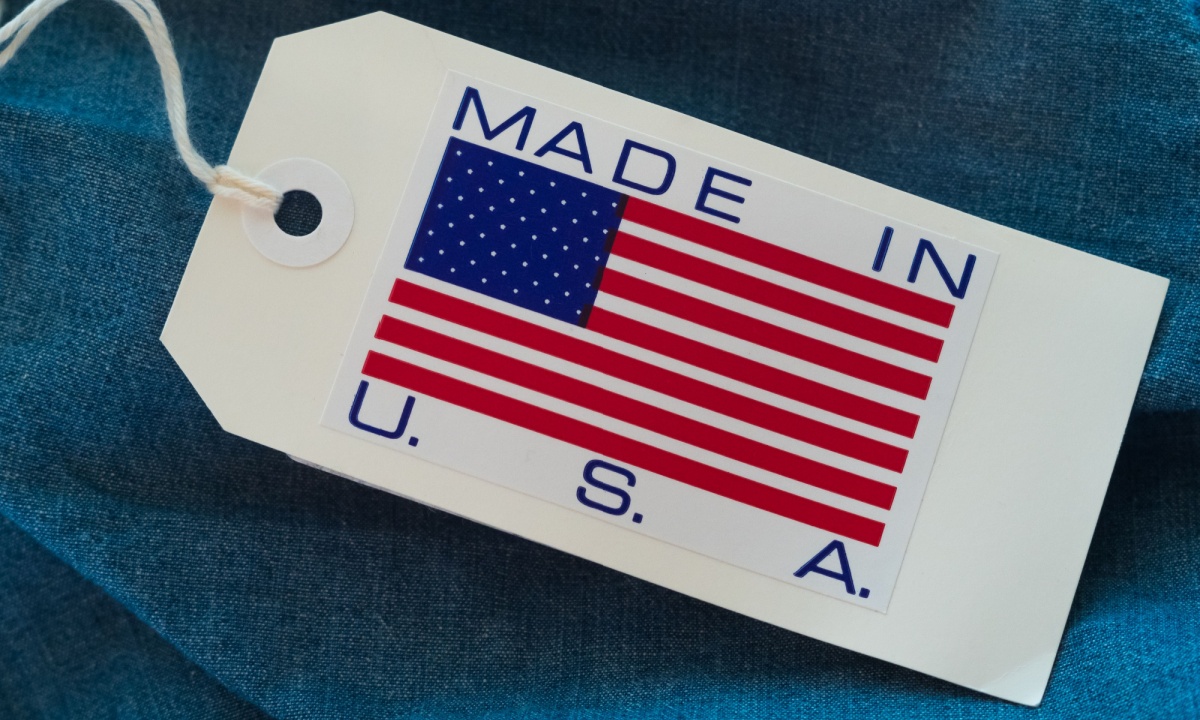
    In this blog post, authors Alexander I. Schneider & Christie Grymes Thompson (Kelley Drye & Warren) comment on a March 2026 executive order by Donald Trump directing the Federal Trade Commission to prioritize enforcement of “Made in USA” claims. The order reflects concerns that foreign manufacturers may misrepresent product origins and emphasizes protecting both consumers and domestic businesses seeking to benefit from accurate country-of-origin labeling.

    The authors explain that this directive reinforces the FTC’s longstanding approach, which requires that unqualified “Made in USA” claims meet the “all or virtually all” standard. This requirement was formalized in the 2021 Made in USA Labeling Rule, which allows the agency to impose significant civil penalties for non-compliance. The executive order therefore builds on an existing regulatory framework rather than introducing a new standard.

    They also note that the renewed emphasis comes after a relatively quiet period in FTC enforcement activity, with fewer public actions compared to prior years. Despite this, the agency has continued to signal interest in the area through initiatives such as warning letters and outreach, as well as a growing focus on ensuring that online marketplaces—such as Amazon—monitor and verify third-party sellers’ origin claims.

    Finally, the post highlights the broader regulatory landscape, including roles played by other agencies such as U.S. Customs and Border Protection, and the potential for increased scrutiny of companies, particularly those involved in government procurement. The authors suggest that businesses should review and substantiate their origin claims, as increased enforcement may lead to investigations and penalties for misleading or unsupported “Made in USA” representations.