
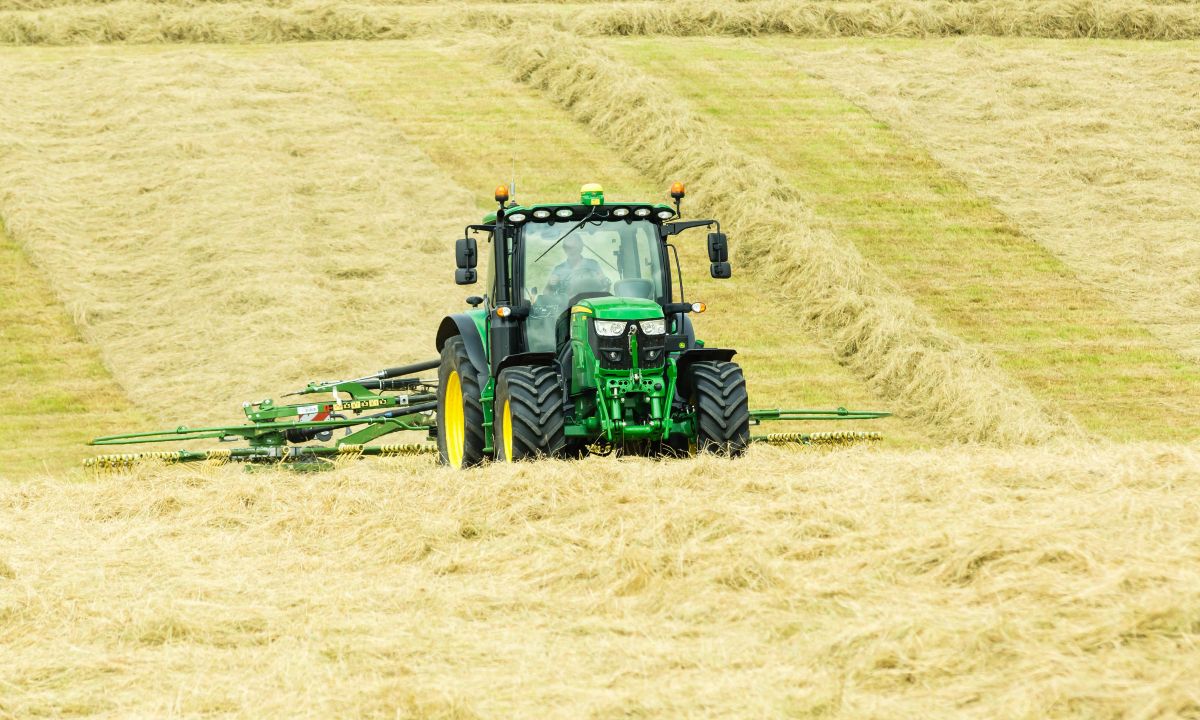
Deere & Company has agreed to resolve a class-action antitrust lawsuit that accused the manufacturer of limiting how farmers repair their own equipment, a case closely watched in the ongoing right-to-repair debate.
Featured News
Film Producers Raise Antitrust Concerns Over Paramount-Warner Deal
Jul 30, 2026 by
CPI
EU Signals ChatGPT, Roblox Could Face Expanded Digital Services Rules
Jul 30, 2026 by
CPI
OpenAI, Trump Administration Discuss Voluntary AI Safety Testing
Jul 30, 2026 by
CPI
SAP Says German Antitrust Authority Ends Preliminary Review Without Formal Case
Jul 30, 2026 by
CPI
Keystone Launches Washington Antitrust Practice With 2 Former DOJ Officials
Jul 30, 2026 by
CPI
Antitrust Mix by CPI
Antitrust Chronicle® – Antitrust Compliance
Jul 20, 2026 by
CPI
Your Antitrust Compliance Program: A Strong Voice in Your Defense
Jul 20, 2026 by
Joe Murphy
Antitrust Compliance for the AI Pricing Era
Jul 20, 2026 by
Alejandra Uria & Andre Geverola
Race to Report: Antitrust Leniency in the Whistleblower Era
Jul 20, 2026 by
Brian R. Faerstein & Nicole H. Sprinzen
Antitrust-By-Design: Competition Compliance in Digital Markets
Jul 20, 2026 by
Marcos Drummond Malvar, Gabriela Costa Carvalho Forsman & Luciana Mendes