
A PYMNTS Company

European Regulators Scrutinize $20 Billion Offshore Engineering Tie-Up

 |  July 22, 2026
European Union, EU

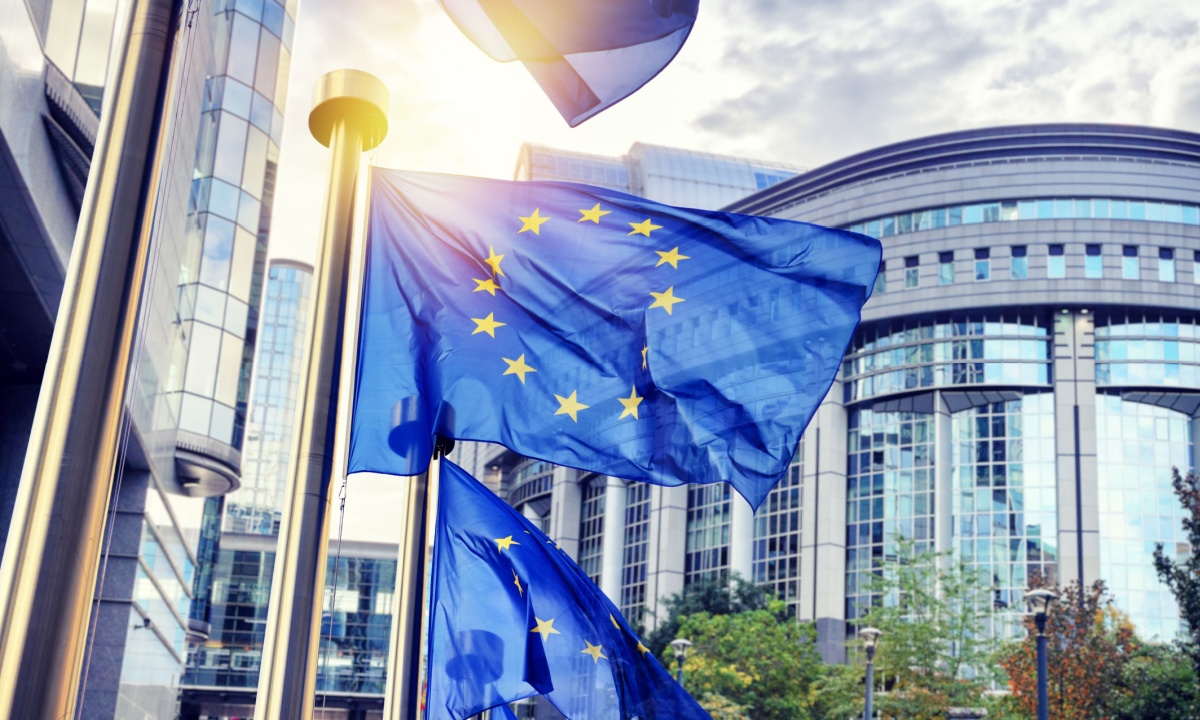
European Union antitrust regulators have launched a detailed investigation into the proposed merger between Italian engineering group Saipem and offshore services company Subsea7, citing concerns that the transaction could significantly reduce competition in critical offshore infrastructure markets.

    Get the Full Story

    Complete the form to unlock this article and enjoy unlimited free access to all PYMNTS content — no additional logins required.

    yesSubscribe to our daily newsletter, PYMNTS Today.

    By completing this form, you agree to receive marketing communications from PYMNTS and to the sharing of your information with our sponsor, if applicable, in accordance with our Privacy Policy and Terms and Conditions.

    The European Commission said Wednesday that its preliminary assessment indicates the combination may lead to higher prices and diminished innovation in several segments of offshore engineering and construction services, particularly in the market for subsea umbilicals, risers and flowlines, commonly known as SURF services.

    According to Reuters, which first reported the Commission’s concerns in an article by antitrust correspondent Foo Yun Chee, EU officials are focusing on the companies’ strong positions in markets where only a limited number of competitors operate.

    The proposed transaction, first announced in February 2025, would combine two of the world’s largest providers of offshore energy services, creating a group with extensive capabilities in engineering, subsea construction, drilling, and energy infrastructure installation. Saipem and Subsea7 said when unveiling the deal that the merged company—expected to operate under the name “Saipem7″—would have annual revenues of approximately €21 billion and a combined order backlog of roughly €43 billion.

    In a statement, the European Commission said the merger could substantially lessen competition in SURF services, where Saipem and Subsea7 are considered two of the leading global suppliers. SURF infrastructure consists of pipelines, cables and connection systems installed on the seabed to link offshore wells to production facilities. Such systems are increasingly important not only for oil and gas developments but also for emerging carbon capture and storage projects.

    The Commission’s investigation will also examine potential effects on related markets, including trunkline installation services and the decommissioning of aging offshore infrastructure.

    Under EU merger rules, regulators can block transactions or require remedies if they determine that a deal would significantly impede effective competition within the bloc. Remedies can include divestitures, capacity reductions, or the sale of specific assets. Reuters previously reported that possible concessions in this case could involve vessel disposals or other structural commitments aimed at preserving competition.

    The Commission has set a deadline of November 26, 2026, to reach a final decision on the transaction.

    The merger has attracted regulatory attention beyond Europe. Reuters reported earlier this month that authorities in Australia had also initiated an in-depth review of the deal, reflecting concerns about concentration in specialized offshore engineering markets. By contrast, Brazil’s antitrust authority approved the transaction in June without imposing conditions, although major energy companies reportedly raised objections during that review, arguing that the merger could lead to higher project costs and reduced supplier choice.

    Turkey’s competition authority also approved the transaction on Wednesday, removing another regulatory hurdle for the companies.

    Saipem and Subsea7 serve many of the world’s largest energy producers. Saipem’s customer base includes national oil companies such as Saudi Aramco, QatarEnergy and Abu Dhabi National Oil Company (ADNOC), while Subsea7 has historically maintained strong relationships with international energy majors including BP and Equinor.

    Source: Reuters