
A PYMNTS Company

Apple’s Gemini-Siri Deal Is the Next Microsoft Antitrust Case, Not the Next App Store Fight

 |  May 21, 2026
siri-data

By: Luis Blanquez (The Antitrust Attorney)

    Get the Full Story

    Complete the form to unlock this article and enjoy unlimited free access to all PYMNTS content — no additional logins required.

    yesSubscribe to our daily newsletter, PYMNTS Today.

    By completing this form, you agree to receive marketing communications from PYMNTS and to the sharing of your information with our sponsor, if applicable, in accordance with our Privacy Policy and Terms and Conditions.

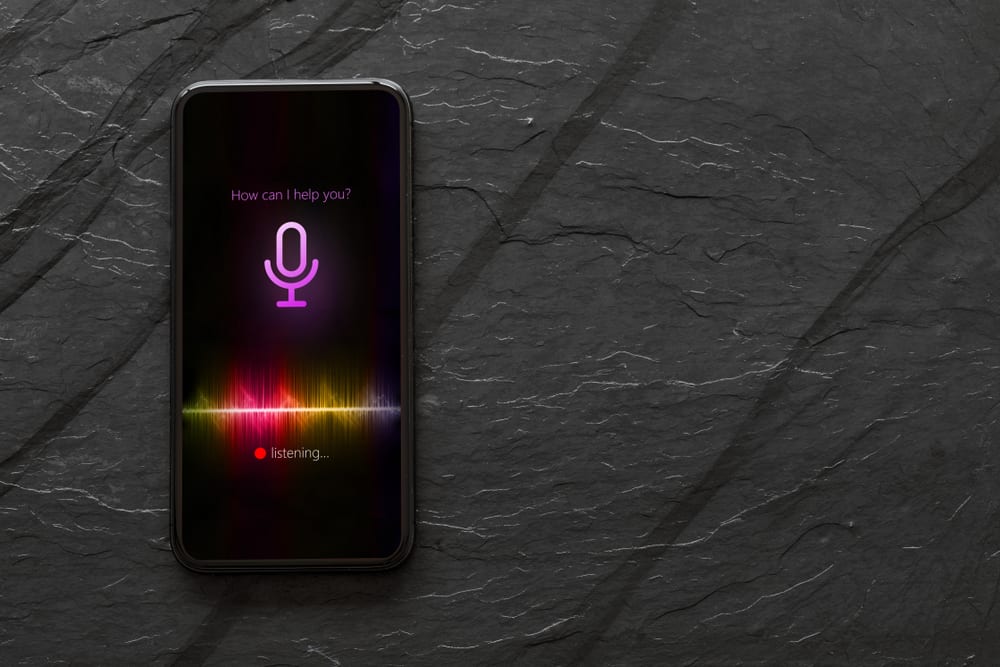
    In this entry for the Antitrust Attorney Blog, author Luis Blanquez (Bona Law) explores the antitrust implications of Apple’s reported multibillion-dollar partnership with Google to integrate the Gemini AI model into the next generation of Siri and Apple Intelligence. While Apple will continue using its own AI models for simpler on-device tasks, more advanced requests will be routed through Gemini running on Apple’s private cloud infrastructure. Blanquez argues that this move is not a retreat from AI competition, but rather a strategic effort by Apple to maintain control over the user interface, defaults, billing, and platform ecosystem while outsourcing the underlying AI model layer.

    The article places the Gemini deal within the broader context of the ongoing xAI antitrust lawsuit filed by Elon Musk’s companies against Apple and OpenAI. The lawsuit alleges that Apple’s integration of ChatGPT into iOS unfairly advantaged OpenAI and restricted rival AI providers’ access to users. Although courts rejected xAI’s attempts to obtain OpenAI’s source code, Blanquez notes that judges have instead focused attention on platform conduct, including integration terms, routing logic, default settings, and app-store treatment — all of which are central to determining whether Apple unlawfully controls access to AI distribution on its devices.

    Blanquez argues that the Gemini integration closely resembles earlier antitrust battles involving Microsoft and browser defaults. Much like Microsoft used Windows to control browser and search distribution, Apple is now using Siri as the central “cognitive interface” through which users interact with AI systems. Even though Apple plans to offer users a choice of third-party AI chatbots through an “Extensions” framework, the author contends that Apple still controls the critical infrastructure layer, including invocation, routing, interface design, and default behavior. Under this framework, rival AI providers remain dependent on Apple-controlled access points regardless of the underlying AI model selected.

    The post also examines how Apple’s “non-exclusive” defense may face increasing scrutiny as AI becomes the primary gateway for user intent across Apple devices. Blanquez suggests that Apple’s ability to swap AI suppliers without changing the user experience actually strengthens arguments that Apple retains monopoly control over the interface layer itself. He warns that AI startups, vertical AI companies, app developers, and content platforms may all face growing foreclosure risks as Siri becomes the dominant intermediary between users and digital services, potentially setting the stage for a new wave of AI-focused antitrust litigation modeled more closely on the Microsoft monopolization cases than traditional App Store disputes…

    CONTINUE READING…