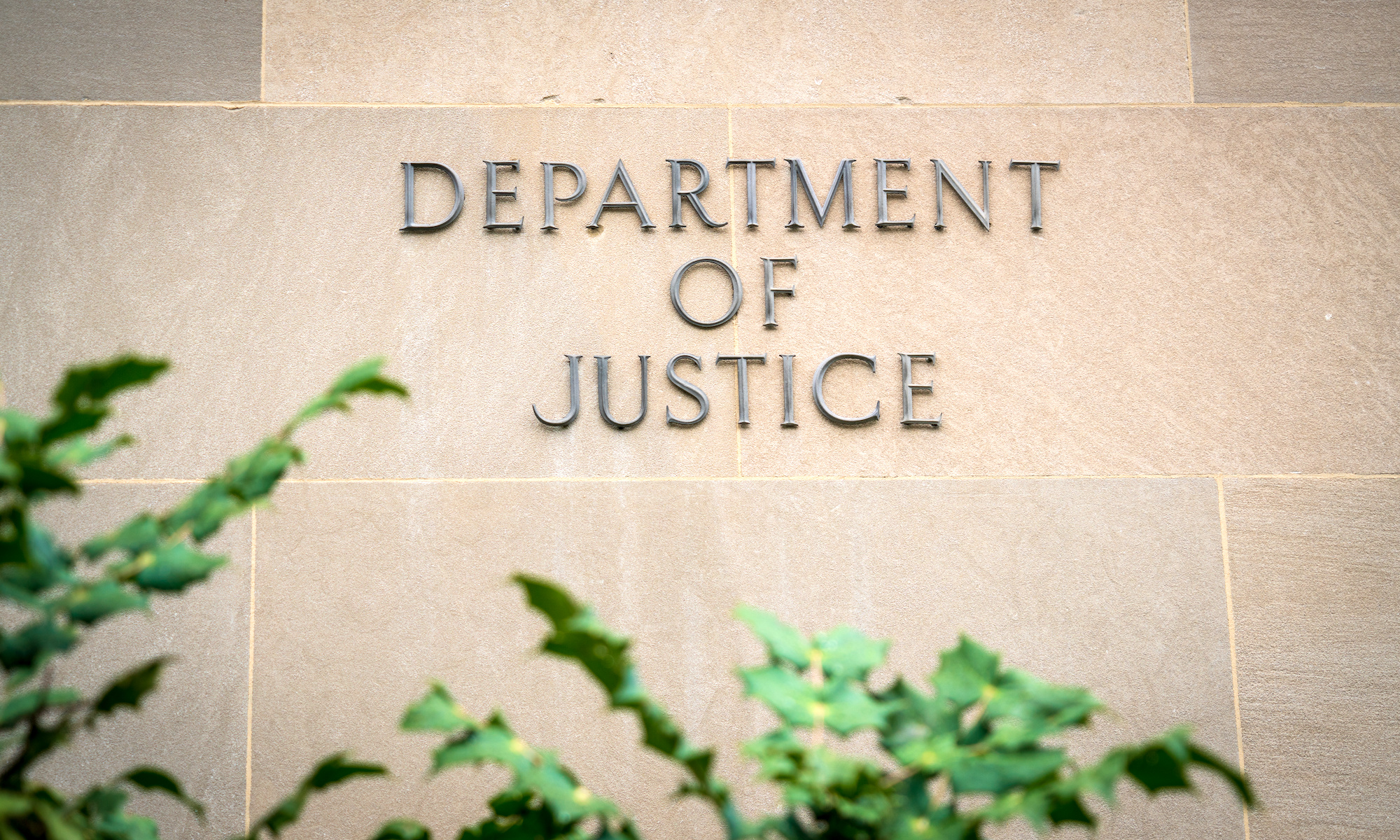
The U.S. Justice Department has closed its antitrust investigation into NextEra Energy Inc.’s proposed $66.8 billion acquisition of Dominion Energy Inc., removing a significant regulatory obstacle for a transaction that would create the world’s largest regulated electric utility.
The decision, announced Nov. 19, followed commitments by the companies to accept additional oversight of power plant closures in New England, where federal officials had identified potential competition risks, according to a Nov. 23 report by Utility Dive.
The federal decision comes as regulators in Virginia continue examining whether the merger would deliver meaningful savings to electricity customers. The companies still require approvals from federal energy authorities and regulators in Virginia, North Carolina and South Carolina before completing the transaction.
The proposed combination, announced in May, would substantially expand NextEra’s regulated utility operations at a time when electricity demand is accelerating, driven partly by the rapid development of data centers and artificial intelligence infrastructure.
The Justice Department’s investigation focused on the companies’ overlapping electricity generation assets in markets operated by ISO New England and PJM Interconnection.
Federal antitrust officials were particularly concerned that the combined company could benefit financially from withdrawing otherwise profitable generating facilities from New England’s capacity market, potentially tightening electricity supplies and increasing costs for consumers.
In a Nov. 18 filing with the Federal Energy Regulatory Commission, NextEra and Dominion agreed to accept oversight by ISO New England’s internal market monitor for proposed generating-unit retirements over a five-year period beginning with the May 2028 capacity auction, according to Utility Dive.
Under the arrangement, the market monitor would be permitted to examine whether a facility proposed for retirement remained economically viable. A determination that the plant retained economic value would prevent its closure under the agreed safeguards.
The Justice Department said the commitment addressed concerns that the merged company could use its expanded generation portfolio to influence capacity prices. Federal officials indicated that the safeguards could protect customers from potentially hundreds of millions of dollars in additional electricity costs.
The closure of the investigation does not constitute final regulatory approval of the acquisition. FERC and the Nuclear Regulatory Commission have yet to issue decisions, while state-level proceedings remain underway.
Related: NextEra’s $66.8 Billion Dominion Deal Clears Key US Antitrust Hurdle
The merger faces a separate challenge in Virginia, where the State Corporation Commission began evidentiary hearings Nov. 17 to assess its implications for electricity rates, reliability and customer protections.
According to Utility Dive’s reporting on the proceedings, regulators and state attorneys questioned senior executives from both companies about whether the proposed transaction would generate measurable financial benefits beyond temporary credits on customers’ electricity bills.
Ed Baine, president of Dominion Energy Virginia, acknowledged during testimony that the proposed bill credits represented the only customer benefit that could currently be quantified directly.
Baine nevertheless maintained that combining the utilities would create opportunities to reduce costs through greater purchasing power, operational efficiencies and expanded financial resources. He cited Dominion’s previous acquisition of SCANA as an example of savings achieved through increased scale, while acknowledging that the companies had not calculated comparable benefits from the NextEra transaction.
Virginia officials also challenged the companies over the absence of detailed projections showing how anticipated efficiencies would translate into lower customer bills over time.
John Ketchum, NextEra’s chief executive officer, defended the merger’s economic rationale and the proposed customer credits, arguing that the combined company would be better positioned to manage infrastructure investments and operating expenses.
Dominion Chief Executive Officer Bob Blue acknowledged that the timing of anticipated savings would depend on how effectively the integration was managed, according to Utility Dive.
NextEra and Dominion have proposed financial incentives for customers as part of their efforts to secure regulatory approval.
In September, the companies announced that they would extend proposed monthly residential bill credits in Virginia from two years to four years.