
A PYMNTS Company

EU Pressured to Classify Smart TV Platforms as Big Tech Gatekeepers

 |  March 23, 2026

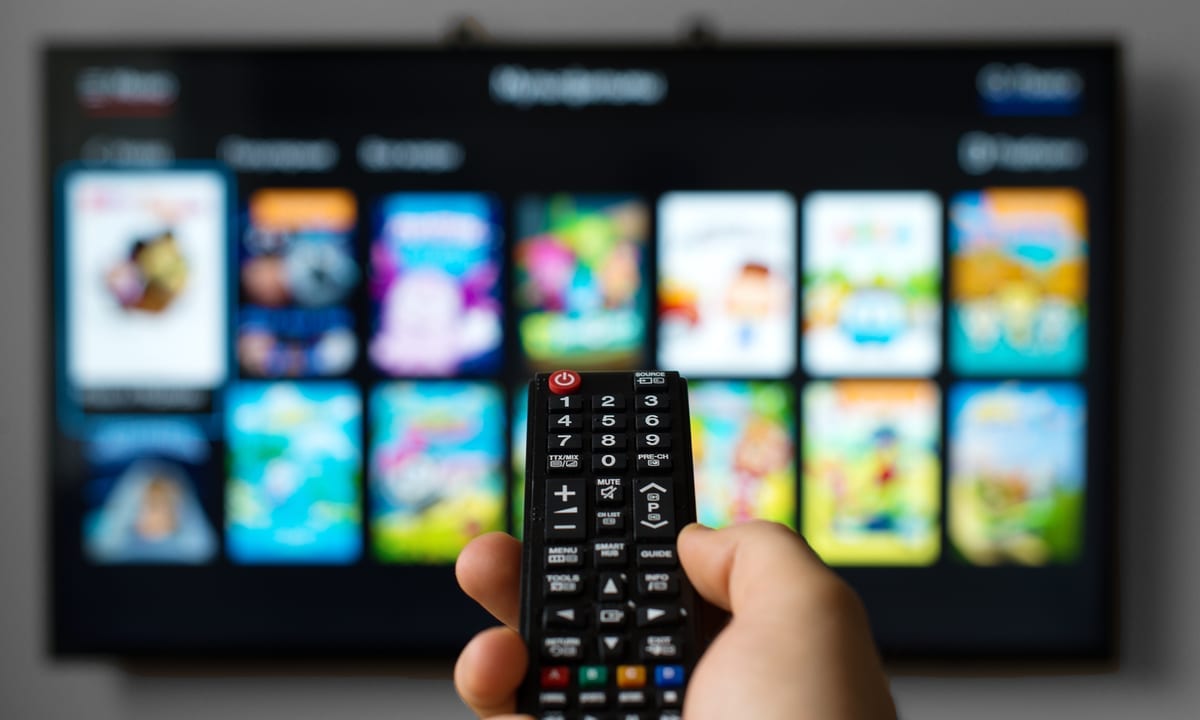
Europe’s largest commercial broadcasters are urging the European Union to subject smart TV operating systems and virtual assistants from Google, Amazon, Apple and Samsung to the bloc’s strictest tech regulations, arguing that their expanding reach gives them growing control over how audiences access content.


    Get the Full Story

    Complete the form to unlock this article and enjoy unlimited free access to all PYMNTS content — no additional logins required.

    yesSubscribe to our daily newsletter, PYMNTS Today.

    By completing this form, you agree to receive marketing communications from PYMNTS and to the sharing of your information with our sponsor, if applicable, in accordance with our Privacy Policy and Terms and Conditions.

    In a letter sent to EU antitrust chief Teresa Ribera on Monday (March 23), the Association of Commercial Television and Video on Demand Services in Europe said major TV platforms should be classified as “gatekeepers” under the Digital Markets Act, according to Reuters. The group’s members include Canal+, RTL, Mediaset, ITV, Paramount+, NBCUniversal, Walt Disney, Warner Bros Discovery, Sky and TF1 Groupe.

    The move marks a fresh escalation in the struggle between traditional broadcasters and large technology companies for influence in the lucrative media and entertainment market. Per Reuters, the broadcasters cited a 2025 market study showing that Android TV increased its market share from 16% in 2019 to 23% in 2024, while Amazon Fire OS rose from 5% to 12% over the same period. Samsung’s Tizen OS was reported to hold a 24% share of the market.

    The Digital Markets Act, which has been in effect since 2023, is designed to rein in the power of the largest digital platforms, strengthen competition and broaden consumer choice. Broadcasters say smart TV operating systems are now reaching a scale and level of influence that should bring them within the law’s toughest oversight regime, according to Reuters.

    “A limited number of operators are therefore gaining growing ability to shape outcomes for millions of users and businesses by controlling access to audiences and content distribution,” ACT said in the letter, according to Reuters. “It is crucial that the Commission designate major TV operating systems as gatekeepers and ensure adequate oversight to guarantee fairness and contestability.”

    The group argued that large tech companies may have incentives to keep users inside their own ecosystems and could use contracts or technical design to limit linking or redirection between media apps, per Reuters. That, broadcasters contend, could weaken competition and reduce visibility for rival content providers.

    Related: Google Settles Antitrust Case in India Over Smart TV App Bundling

    The European Commission confirmed it had received the letter and said it was reviewing the issues raised, according to Reuters. Google, Amazon, Apple and Samsung did not immediately respond to requests for comment, per Reuters.

    Broadcasters also raised concerns about virtual assistants, a category that includes Amazon’s Alexa and Apple’s Siri. They warned that such services could become major gateways to media content across smartphones, smart speakers and in-car infotainment systems without being subject to the Digital Markets Act, according to Reuters.

    “The lack of designation of virtual assistants creates a regulatory void, allowing powerful AI assistants to become de facto gatekeepers for media content through mobile phones, smart speakers and in-car radio infotainment services, without being subject to DMA obligations,” the broadcasters said, according to Reuters.

    The European Commission has not yet designated any virtual assistants as gatekeepers under the DMA. The broadcasters urged Ribera to apply the law using qualitative criteria even where platforms may not meet the formal quantitative thresholds, which include more than 45 million monthly active users and a market capitalization of 75 billion euros, or about $87 billion, according to Reuters.

    Other signatories to the letter included the Association of European Radios, the European Broadcasting Union, egta, Confindustria Radio Televisioni, UTECA and Verband Österreichischer Privatsender.

    Source: Reuters