
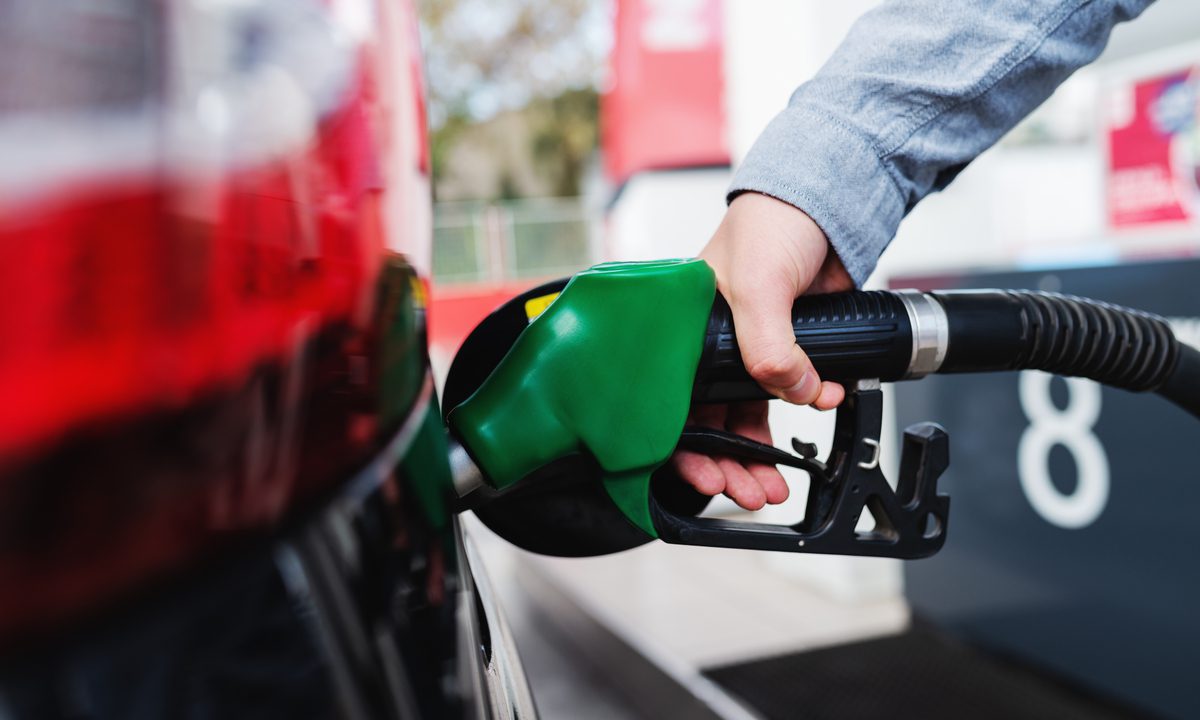
Germany’s government has unveiled new measures aimed at curbing fuel price volatility, responding to mounting public frustration over rising costs linked to geopolitical tensions. According to Bloomberg, the proposal would restrict gas stations to increasing gasoline and diesel prices only once per day, specifically at noon, while still allowing price reductions at any time.

 Add as Preferred Source
Featured News
Dutch Regulator Calls for Greater Transparency in Algorithmic Pricing
Sep 29, 2026 by
CPI
Former Trump Antitrust Chief Gail Slater to Join White & Case
Sep 29, 2026 by
CPI
Microsoft Wins Partial Dismissal of ChatGPT Users’ Antitrust Case
Sep 29, 2026 by
CPI
Google Takes EU Data-Sharing Orders to Court in Escalating DMA Fight
Sep 29, 2026 by
CPI
Apple and Amazon Hit With Revived UK Competition Case
Sep 29, 2026 by
CPI
Antitrust Mix by CPI
Antitrust Chronicle® – National Security
Sep 22, 2026 by
CPI
National Security in U.S. Antitrust Enforcement: Toward a More Disciplined Framework
Sep 22, 2026 by
Rod Rosenstein & Timothy Finley
The Department of War’s M&A Review Guidance: What Companies in the Defense Industry Need to Know
Sep 22, 2026 by
Eric Stocking & Paul Ney
National Security, Resilience and the Boundaries of Merger Control
Sep 22, 2026 by
Beatriz Marques
National Security and Competition: Building Resilient Telecommunications Networks
Sep 22, 2026 by
Roslyn Layton