
A PYMNTS Company

Musk’s xAI Sues Colorado Over Landmark AI Regulation

 |  April 13, 2026

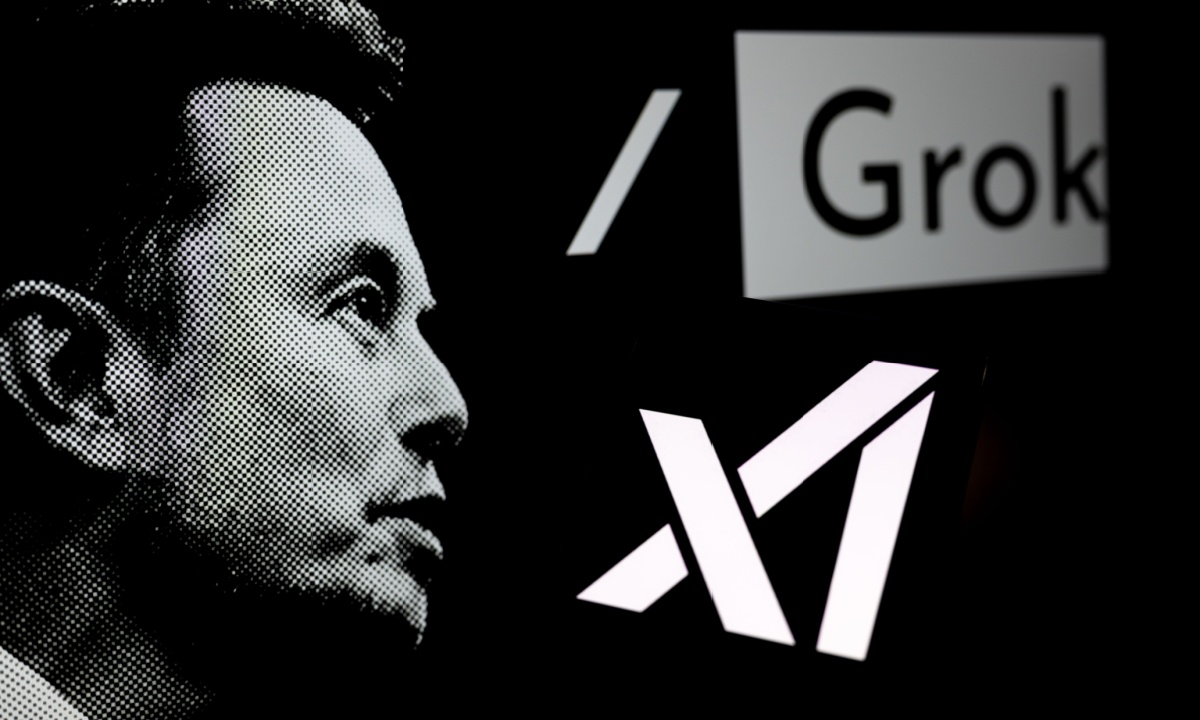
New regulations regularly trigger legal challenges from the affected industries and interest groups, and Colorado’s landmark AI Act is no exception. Last week, Elon Musk’s xAI filed a lawsuit seeking to block the state from enforcing the law, which formally took effect February 1.


    Get the Full Story

    Complete the form to unlock this article and enjoy unlimited free access to all PYMNTS content — no additional logins required.

    yesSubscribe to our daily newsletter, PYMNTS Today.

    By completing this form, you agree to receive marketing communications from PYMNTS and to the sharing of your information with our sponsor, if applicable, in accordance with our Privacy Policy and Terms and Conditions.

    The law, the first comprehensive set of AI regulations passed by any state, requires companies that develop or deploy AI systems to notify consumers if AI or an AI-powered automated decision making tools (ADMT) had a substantial role in “consequential decisions,” such as in employment, housing, health care and financial decisions. And it holds companies liable for discrimination caused by AI under the state’s unfair or deceptive trade practices standards.

    In its lawsuit, xAI argued the AI Act violates its first amendment rights because it would force the company to “promote the state’s ideological views on various matters, racial justice in particular,” according to the Financial Times. “Its provisions prohibit developers of AI systems from producing speech that the state of Colorado dislikes.”

    The suit also cites White House executive orders seeking to override state-level AI regulations and warnings that ​a patchwork of state laws ​could undermine U.S. ⁠AI leadership and national security. “Government regulation that is ​applied at the state level in a patchwork across the country ​can have the effect to hamper innovation and deter competition in an open market,” ‌xAI ⁠said.

    Related: UK Opens Probe Into xAI’s Grok Over Data Use and Harmful Content

    Colorado State Rep. Manny Rutinel, a co-sponsor of the bill that became the AI Act and now running for Congress, pushed back against xAI’s characterization of the law.  “I think that this bill is about transparency and accountability, just like other anti-discrimination statutes,” Rutinel told the local NBC affiliate 9News. “Free speech is fundamental to everything I believe in, and it has nothing to do with that. This is about corporate accountability.”

    “Of course, sometimes billionaires like Elon Musk decide to fight back in their own way through the court system, but that’s what our offices are for here at the Colorado Capitol,” he added.

    The law has been controversial from the start. Gov. Jared Polis (D) expressed reservations about the law even as he signed it in 2024 and repeatedly urged state lawmakers to make changes to the act before it took effect. He convened a special session of the legislature in 2025 to consider modifications to make the law more innovation-friendly and less burdensome on companies.

    That effort failed to reach an agreement but Polis subsequently convened an AI Policy Work Group comprised of non-government or industry AI experts to develop a new policy framework. The group issued its recommendations last month although legislation to implement them is yet to be introduced.

    Under the group’s proposal consumers would receive an up-front notice when AI or ADMT is being used in consequential or “life-changing” decisions on employment, etc.  If the decision is adverse to the consumer, they would then have access to more information about the decision, an opportunity to correct wrong information, and request that a human review the ultimate decision.