
Navigating the ‘Right to Repair’ Landscape in 2026: A Refresher on Basics and Best Practices
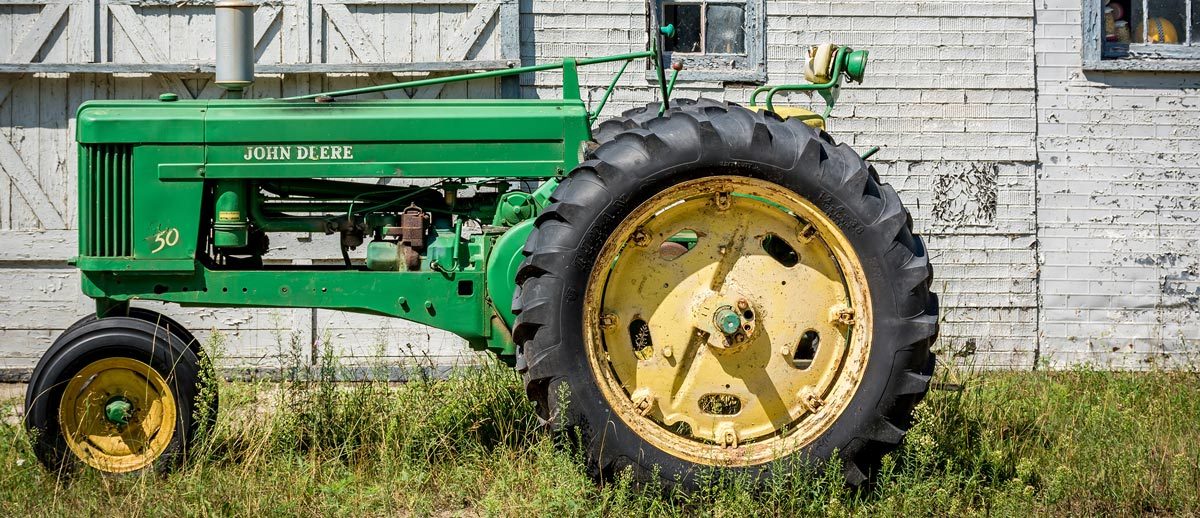
In this blog entry, authors Daniel S. Savrin, Caitlin Zeytoonian, Noah Beckert-McGirr & Abigail Guyon (Morgan Lewis & Bockius) discuss the rapidly evolving “right to repair” landscape and the growing compliance challenges facing manufacturers and retailers. They explain that right-to-repair obligations stem not only from federal warranty law, particularly the Magnuson-Moss Warranty Act, but also from a growing patchwork of state laws and increasing antitrust scrutiny of repair restrictions.
Featured News
Compass Faces New Federal Antitrust Fight Over Private Home Listings
Oct 22, 2026 by
CPI
Deutsche Boerse’s $6 Billion Allfunds Deal Faces EU Decision by Nov. 27
Oct 22, 2026 by
CPI
German Court Orders MAN, Daimler Truck to Compensate Customers in Price-Fixing Case
Oct 22, 2026 by
CPI
FTC Brings Antitrust Enforcement to Dallas
Oct 22, 2026 by
CPI
Publishers Urge EU, UK Regulators to Block Meta’s New Terms
Oct 22, 2026 by
CPI
Antitrust Mix by CPI
Antitrust Chronicle® – EU Merger Guidelines
Oct 19, 2026 by
CPI
In Praise of Theories of Benefits
Oct 19, 2026 by
Cyril Hariton & Pierre Regibeau
Closing the Efficiencies Gap
Oct 19, 2026 by
Kasia Czapracka & Marika Harjula
Analysis of Dynamic Trade-Offs Under the New Guidelines: Would Cases Like Amazon/Irobot Turn Out Differently?
Oct 19, 2026 by
Oliver Latham, Sam Marden, Saul Mendelsohn & Serge Moresi
Exploitative Portfolio Effects In EU Merger Control: From Mars/Kellanova to the Draft Merger Guidelines
Oct 19, 2026 by
Niels Baeten, Danette Chan & Elizabeth Malik