
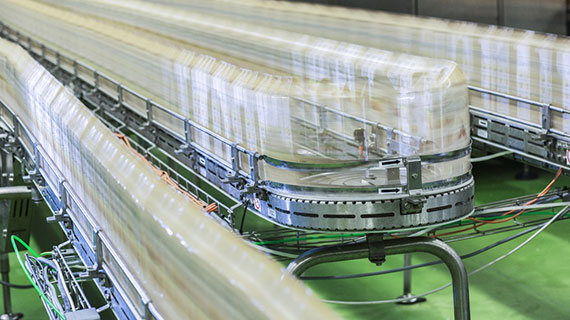
China’s highest court ordered global packaging giant Tetra Pak to pay approximately 492 million yuan ($74 million) to two domestic rivals in the country’s largest antitrust damages award, according to China Daily.
Featured News
Tetra Pak Hit With Record $74 Million Antitrust Judgment in China
Nov 27, 2026 by
CPI
Chile Targets Apple With $80 Million Antitrust Fine Over App Store Restrictions
Nov 27, 2026 by
CPI
Altria Weighs Cash Bid for UK Tobacco Giant Imperial Brands
Nov 27, 2026 by
CPI
Turkey Buyers Secure Final Approval of $90M Price-Fixing Settlements
Nov 26, 2026 by
CPI
Brazil’s Yduqs, Afya Win Shareholder Approval for Education Merger
Nov 26, 2026 by
CPI
Antitrust Mix by CPI
Antitrust Chronicle® – Labor Market Collusion
Nov 19, 2026 by
CPI
From Price-Fixing to Wage-Fixing: Are Labor Markets the Next Frontier of Public and Private Competition Law Enforcement?
Nov 19, 2026 by
Giulia Rurali & Carsten Krüger
Damage Estimation and Labor Market Collusion
Nov 19, 2026 by
Louis D. Pape
Recent Developments of Labor Market Collusion in the EU: The Dialogue Between Delivery Hero and Tondela
Nov 19, 2026 by
Catarina Vieira Peres & Rita Ferreira Gomes
Enforcement in Labor Collusion and Monopsony: Trends and Challenges
Nov 19, 2026 by
Leyla Karakas & Anna Meyendorff