McDonald’s is facing heightened scrutiny from Democratic lawmakers over its use of artificial intelligence to recommend menu prices, adding political pressure to the fast-food chain as it confronts lawsuits challenging its pricing practices.
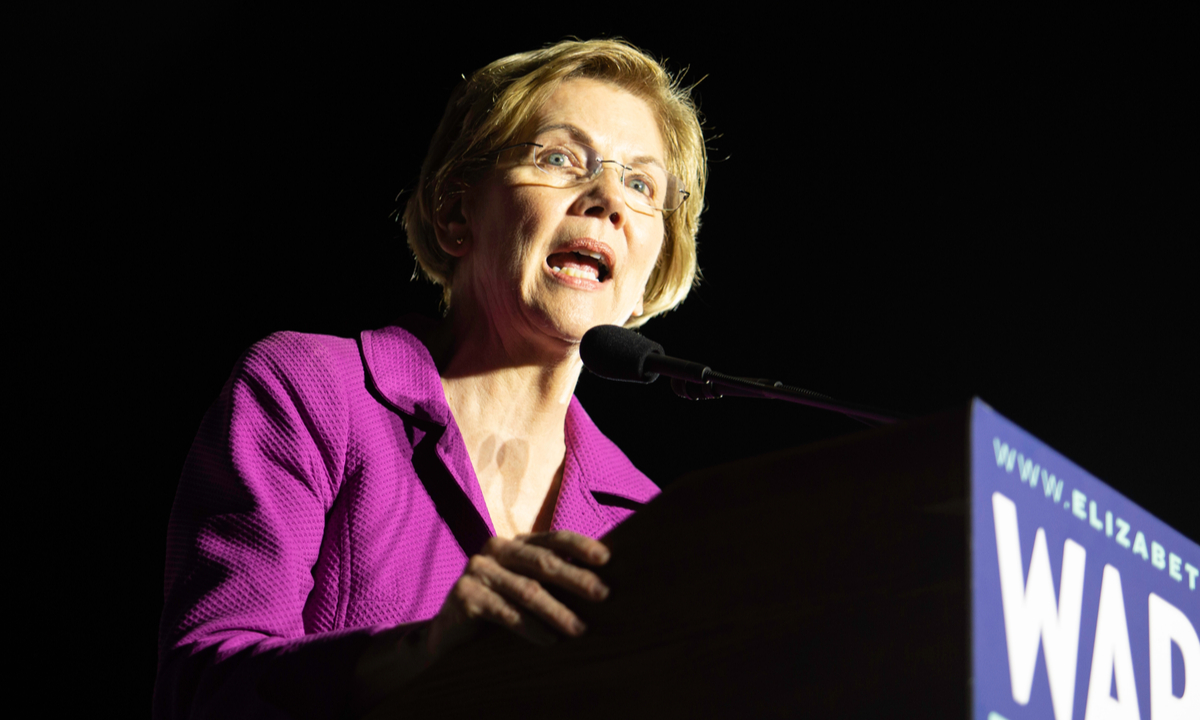
Sen. Elizabeth Warren of Massachusetts and four Democratic House members have asked Chief Executive Officer Chris Kempczinski to explain how the company’s algorithmic pricing system operates and whether it could lead to higher costs for consumers or improper coordination among independently operated restaurants, according to reporting by the New York Post.
In a letter dated Nov. 2, the lawmakers questioned whether McDonald’s uses customer information to develop pricing recommendations, how much influence the company exercises over franchise operators and whether it assessed potential antitrust risks before introducing the technology.
The lawmakers requested a response by Nov. 16, Reuters reported.
The inquiry follows a September Reuters investigation detailing how McDonald’s uses machine-learning technology to analyze restaurant transactions and recommend prices for individual menu items. The system incorporates local market conditions, including estimates of what customers in a particular area may be prepared to spend.
The technology has raised questions about whether sophisticated pricing models could allow large restaurant chains to maximize revenue at consumers’ expense, particularly as households remain sensitive to food costs.
Warren was joined by Democratic Reps. Greg Casar of Texas, Becca Balint of Vermont, Jesús García of Illinois and Mary Gay Scanlon of Pennsylvania, according to Reuters.
Their inquiry focuses partly on whether McDonald’s pricing recommendations incorporate information collected through its customer loyalty program. Lawmakers also want to understand whether franchisees face pressure to adopt suggested prices and whether the system could facilitate coordination among restaurant operators that otherwise compete with one another.
McDonald’s has rejected suggestions that its technology independently determines menu prices.
The Chicago-based company has maintained that franchise owners retain authority over pricing decisions and that its analytical tools provide guidance rather than binding instructions. It has also said the recommendations are not based on individual customers’ personal information.
McDonald’s did not respond to Reuters’ request for comment on the congressional letter. In earlier statements, the company disputed characterizations of its pricing system as anticompetitive and emphasized that similar analytical tools are widely used across industries.
Franchise Pricing Practices Under Examination
The congressional inquiry comes as McDonald’s faces legal challenges over allegations that its centralized pricing technology undermines competition among franchisees.
Two proposed consumer class-action lawsuits filed in federal court in recent weeks accuse the company of using algorithmic recommendations to coordinate menu prices across independently owned and company-operated restaurants, according to Reuters.
The allegations have not been established in court, and McDonald’s disputes them.
The lawsuits reflect broader legal questions surrounding the use of algorithms to recommend prices for businesses that may otherwise compete independently.
A central issue is whether sharing commercially sensitive information through a common pricing platform could reduce competition, even when individual operators retain formal authority to accept or reject recommendations.
Reuters previously reported that McDonald’s pricing system processes information from millions of daily transactions across its approximately 14,000 U.S. restaurants.
Several franchise operators interviewed by Reuters said they felt pressure to follow the company’s recommendations, while others described growing price differences between restaurants operating in nearby markets.
McDonald’s has countered that differences in local operating costs, competition and customer demand can justify varying prices, even among restaurants located only a few miles apart.
AI Pricing Raises Broader Competition Questions
The dispute highlights increasing attention to how artificial intelligence is changing corporate pricing strategies.
Businesses have traditionally relied on sales figures, operating expenses and competitors’ prices to guide their decisions. More advanced algorithms can evaluate considerably larger datasets and generate recommendations tailored to individual locations.
Such technology may improve efficiency, but it also raises concerns when competing businesses rely on shared systems or information that would not otherwise be available to them.
For McDonald’s, the controversy comes as the company seeks to strengthen its value proposition and attract price-conscious customers while balancing the financial interests of franchise operators.
The company has promoted more affordable menu offerings as part of its strategy to increase customer traffic. Franchisees, meanwhile, must weigh corporate pricing guidance against their own labor, rent and food expenses.
McDonald’s has said its pricing tools are intended to help operators make informed decisions based on market conditions, rather than automatically adjust prices in response to individual customers or real-time demand.
The congressional inquiry does not itself establish wrongdoing. However, the lawmakers’ questions, combined with pending consumer litigation, could intensify examination of how large franchised businesses use AI to influence prices.
McDonald’s now faces a Nov. 16 deadline to provide lawmakers with details about its pricing technology, the information it uses and the safeguards intended to preserve independent competition among franchise operators.
Source: The New York Post