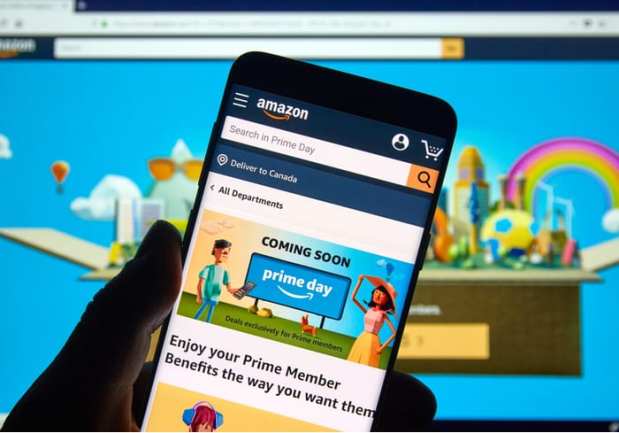
The company, however, is waiving the placement fee to run promotions for Prime Day, which is said to usually cost $500 per deal. Amazon said in an email to vendors, according to reports, “This year, we’ve decided not to charge placement fees for inclusion in deal events, but instead we request our vendors to fund a [listing] if it’s unprofitable for the duration of the deal. If additional funding is required, it will be based off total unprofitable units sold for the duration of the deal.”
According to the report, the move marks a broader path by Amazon to get profits out of a business that has typically been a low-margin space. In swapping out the promotion fee, the retailer is said to be “showing its willingness to forego top-line growth if it’s able to protect its bottom line.”
At the same time, the report said it was not known why Amazon was homing into the grocery category, which encompasses products such as boxes of chocolates and small water bottles. There is the chance that these items tend to be bulky but lower-priced, which means they would be expensive to ship at profitable margins.
Last year, Amazon raked in $4.2 billion from shoppers during the Prime Day event, per reports last July. Bloomberg, citing Wedbush Securities Analyst Michael Pachter, noted the retailer shipped more than 100 million products during the 36-hour event.