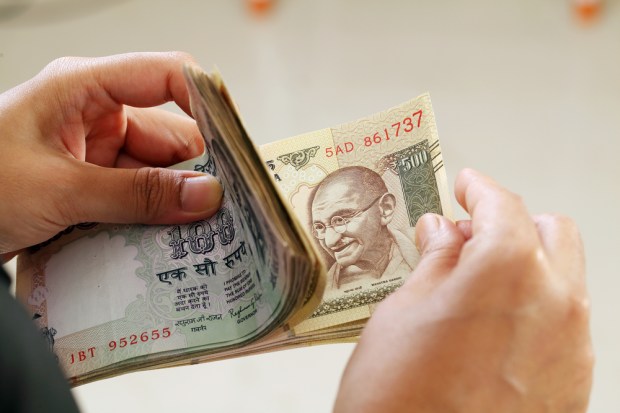
Cash use was highest in India, Indonesia and the Philippines, where more than 70 percent of those polled reported using cash more than any other payment method. In Hong Kong, that number dropped to 44 percent and in Singapore was 43 percent, the study indicated. However, just 25 percent of consumers in China said they considered cash their preferred spending method.
The report, titled “Digital Payments: Thinking beyond Transactions,” confirmed the findings of the May 2017 PYMNTS.com Global Cash Index™ Asia-Pacific Analysis, which revealed cash use is not only preferred in the Asia-Pacific region, but also that transactions using physical money are projected to grow in most Asian nations.
According to the PYMNTS study, between 2015 and 2020, cash use in India is expected to expand at a 12 percent CAGR, while in China, the CAGR in cash usage will rise by 7.5 percent. The study also found total cash use in Japan is expected to decline by 6.5 percent CAGR through 2020.
Reasons for the cash preference in Asia are plentiful, with one being that consumers in the region do not yet clearly understand how different payment systems work, though they understand cash thoroughly, PayPal’s Rohan Mahadevan told CNBC. In addition, many consumers in the Asia-Pacific region find the initial setup of creating a digital wallet to be complex, and are concerned about the privacy of their financial records, he said.
Mahadevan added that Asian consumers who do test digital wallets catch on quickly, so the hurdle in adoption appears to be simply getting people in the region to try using virtual cash. Once they try it, he noted, they may transition away from using cash.