The head of Facebook’s Libra project said he doesn’t consider bitcoin to be a currency because it’s simply too volatile.
“I don’t think of bitcoin as a currency. It’s actually not a great medium of exchange because of its volatility,” David Marcus said while speaking at the New York Times DealBook Conference in New York. “I see it as digital gold.”
We’d love to be your preferred source for news.
Please add us to your preferred sources list so our news, data and interviews show up in your feed. Thanks!
Instead, he compared the world’s most popular crypto to gold because while you can hold on to it as an investment, its volatility doesn’t make it a viable payment option across borders. In fact, Marcus said that one of the main reasons bitcoin hasn’t been fully regulated is because it is not a currency.
“It’s an investment class that’s decorrelated from the rest of the market. Why feel threatened by that?” he said, adding that “people don’t use a unit like digital currency of Bitcoin to pay for things just because it’s so volatile. It serves a completely different purpose.”
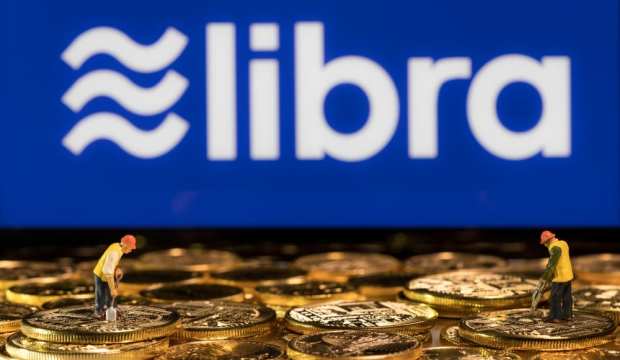
By comparison, Facebook’s Libra cryptocurrency will be tied to currencies like the U.S. dollar and the Euro, which will help it remain stable, said Marcus.
Last month, Facebook Chairman Mark Zuckerberg told the U.S. House Committee on Financial Services that Libra would fill a global payment void by bringing financial services to more than 1 billion individuals across the world, known as the unbanked or underbanked.
Zuckerberg said in his opening remarks that those who do not have access to bank accounts “could through mobile phones, if the right system existed.”
“People pay far too high a cost — and have to wait far too long — to send money home to their families abroad,” he said. “The current system is failing them. The financial industry is stagnant, and there is no digital financial architecture to support the innovation we need. I believe this problem can be solved, and Libra can help.”


 Add as Preferred Source