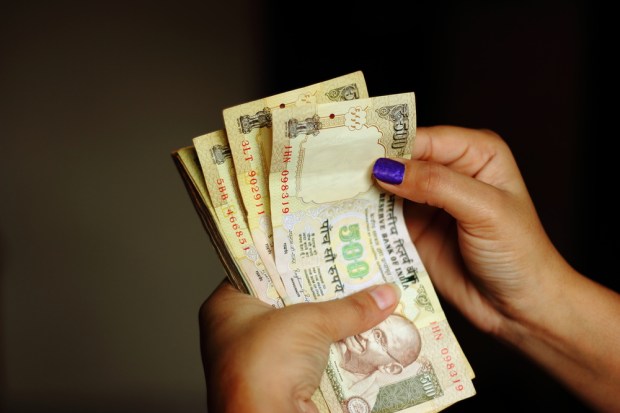
India has demonetized its 500-rupee and 1,000-rupee currency notes, a move made earlier this month, as the government looks to curb counterfeiting. But the decision came as a bit of a shock to the markets, and just days after the announcement of the demonetization was made, SMEs in the country are struggling to make payments.
Reports Monday (Nov. 14) said SMEs are facing challenges in their efforts to make weekly payroll. Citing “industry sources,” reports said, despite the payments challenges, small businesses are largely applauding the anti-counterfeiting efforts.
“There are some temporary difficulties to make weekly payments of labor wages,” said Biswanath Bhattacharya, president of the nation’s Federation of Small and Medium Industries (FOSMI), last weekend. “The problem is most with the workers who require urgent need of money. In a makeshift arrangement, the payments are being made in part, or workers are requested to take payments later.”
We’d love to be your preferred source for news.
Please add us to your preferred sources list so our news, data and interviews show up in your feed. Thanks!
He added that some employees are accepting 500-rupee notes in emergency situations.
According to reports, many SMEs in the area need to make payments of about 50,000 rupees every week (about $737) to make payroll. At the time, however, weekly withdrawal limits stand at 20,000 rupees (about $295).
SMEs that pay their suppliers are also challenged, though industry players say the companies that pay vendors via check are not facing problems.
“There are not much problems in making payments to suppliers because one can issue check and make payments through RTGS [India’s payment and settlement system],” Bhattacharya explained. “But some tiny units, which used to make payments to suppliers in cash, have been facing the challenge.”
FOSMI Vice President S.K. Kedia told reporters that the federation is making 50 percent wage payments at the moment. Even so, the federation said it expects these challenges to be resolved fairly quickly. Otherwise, the aim of the demonetization won’t be achieved.
“Unless the liquidity crisis is solved at the earliest, the success of the demonetization would not be realized,” Bhattacharya stated. “If the situation prolongs, it may disrupt operations. There is demand for low denominated currency, which is not being supplied adequately. The challenge to the government is to resolve the disorder occurred due to the move.”


 Add as Preferred Source