Beneschott’s experience since launching Toptal in July 2010 largely matches what our research indicates. He noted that many of the most talented employees available are looking to increase their flexibility and take more control of their scheduling, allowing them to spend more time traveling or with their families.
However, that desire for flexibility can also be one of the biggest pain points for those in the gig economy, Beneschott explained. While most gig employees enter the space hoping they can have a better work-life balance, many find themselves bogged down with administrative work, such as invoicing, billing and having to follow up again and again (and sometimes again) to ensure they actually get paid.
“It’s very difficult to manage all of that as an individual,” Beneschott explained. “You have to find your own clients and market yourself, invoice and bill and do all the administrative work that you don’t actually get paid for.”
Index research backs up Beneschott’s statements. While more than 40 percent of respondents to PYMNTS’ survey indicated that they like the gig lifestyle and plan to keep gigging, the biggest barriers to gig work remain the speed of payment and the issues that surround it. Seventy-seven percent of gig employees said they would do more gig work if they could be paid faster and more reliably.
To attract the best talent possible, Beneschott and his team look to take those complications away from gig employees by connecting them with reliable companies and ensuring that the employees are always paid on time, he said. He added that, while most companies can be counted on to hold up their end of the bargain and make payments according to schedule, offering that insurance is a major boon for gig employees.
 A bright future, full of gigs
Like the index research indicates, Beneschott said that he expects the gig economy is here to stay and will grow even larger, based on a few different economic trends. Some projections account for the gig economy to both reduce unemployment time for more than 250 million people and add more than $2.7 trillion to the GDP by 2025 as more companies and employees alike embrace the gig economy, he noted.
We’d love to be your preferred source for news.
Please add us to your preferred sources list so our news, data and interviews show up in your feed. Thanks!
“A lot of really great people are increasingly looking for flexibility in their work, and a lot of them are finding it via the gig economy,” he said. “I see that happening more and more every single way with our clients and within the whole ecosystem, from startups to large companies, and I don’t see that changing.”
The change is under way. What remains to be seen is whether actual careers, for millions of Americans, can reliably be built from gigs within the gig economy. Could this be the burgeoning of a new gig-based American dream?
TO DOWNLOAD THE Q3 2016 GIG ECONOMY INDEX, A HYPERWALLET COLLABORATION, FILL OUT THE FORM BELOW:
About The Index
The PYMNTS.com Gig Economy Index™, a Hyperwallet collaboration, is designed to better understand workers in the gig economy — people who often work in short-term, ad hoc positions — who they are, what services they supply and what percentage of their overall income the gigs represent.


 Making the right connections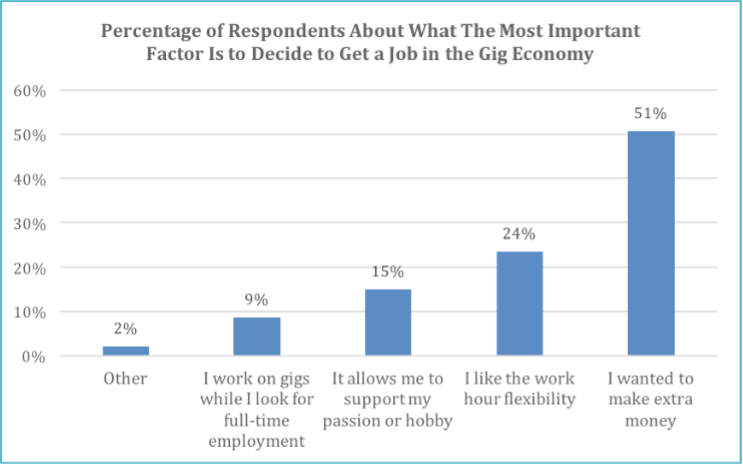

 Add as Preferred Source