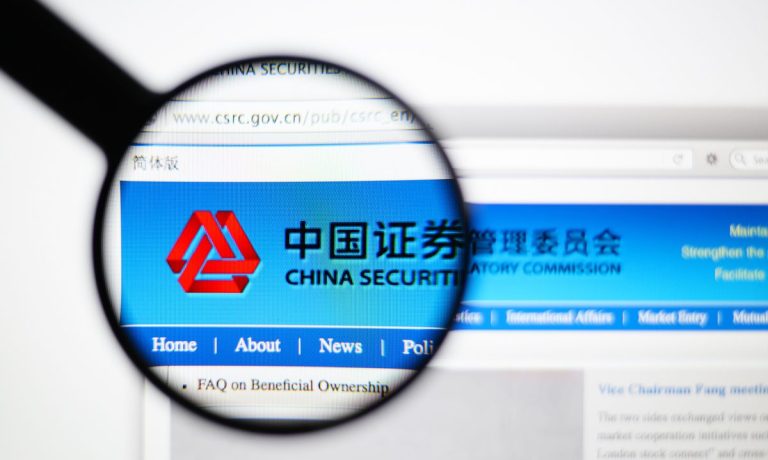
China Securities Regulatory Commission (CSRC) Vice Chairman Fang Xinghai reportedly made the comments to the brokerages during the Wednesday (July 28) virtual meeting, a source told CNBC.
The source said the regulator also indicated that cross-border listings can use the “variable interest entity structure,” which enables outside investors to procure shares of U.S.-based Chinese firms. Additionally, the source said the regulator can see the financial potential for firms to tap outside capital, but not at the expense of national security.
The regulator recognized that the structure is a vital way for companies to attract foreign capital, but said it would have to be adjusted if there were national security concerns.
The virtual meeting included executives from some of the world’s largest global banks, including Goldman Sachs Group and UBS Group, Bloomberg reported.
“What this shows is that there isn’t an intention to unilaterally destroy business models and businesses that are fundamentally aligned to the party’s priorities for China’s development,” said Aberdeen Standard Investments Emerging-Market Fund Manager Adam Montanaro.
Advertisement: Scroll to Continue
The meeting was called to lessen market fears following Beijing’s crackdown on private schools, which was the catalyst to a sell-off of education stocks. Chinese officials had moved to make a percentage of the private tutoring industry in the country nonprofits, stripping the firms from the ability to raise funds, go public or turn a profit.
The crusade on education stocks in China reached across the map to Chinese stocks that were also trading on Wall Street. Shares in two such firms took a dive.