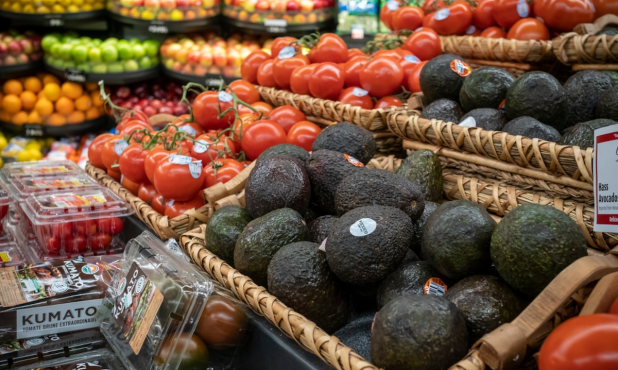
Produce suppliers and grocery stores have reportedly been busy adapting to the on-again, off-again tariffs imposed on Mexico and Canada.
The changing policies have created challenges for companies that deal with fruits and vegetables, which are perishable and have thin profit margins, The Wall Street Journal (WSJ) reported Friday (March 14).
About $20 billion worth of produce is imported to the U.S. from Mexico each year, according to the report.
As news of the tariffs changes, importers and distributors have been canceling orders and then replacing them, the report said.
At the same time, supermarkets and retailers have been trying to gauge how consumers will respond to additional price increases at a time when they have already been pressured by inflation, per the report.
We’d love to be your preferred source for news.
Please add us to your preferred sources list so our news, data and interviews show up in your feed. Thanks!
Some sellers have raised prices to cover the cost of tariffs, while others have absorbed the cost in hopes of gaining market share by offering lower prices than their competitors, according to the report.
Companies interviewed by the WSJ have also reacted to tariffs by delaying orders, buying products from other countries not affected by tariffs, and considering shifting their production to the U.S., per the report.
When PYMNTS Intelligence surveyed chief financial officers at U.S. middle-market firms in mid-February, two-thirds of the CFOs at firms in the goods sector said they planned to negotiate with suppliers for better prices after tariffs are implemented.
In addition, 45% of these CFOs said they planned to increase their prices in response to tariffs, according to the PYMNTS Intelligence report, “Tariffs and Business Uncertainty: The Current State of Play.”
It was reported Tuesday (March 11) that the tariff uncertainty caused by the White House’s shifting trade policies has sparked caution among a range of businesses as consumers curb spending on everything from electronics to airline tickets.
On March 6, it was reported that Walmart asked some Chinese suppliers of goods like kitchenware and apparel to reduce their prices by up to 10% for each round of tariffs on Chinese imports, which would mean taking on nearly the full cost of the new levies.
The retailer reportedly found few takers for this request because suppliers are already facing thin margins.


 Add as Preferred Source