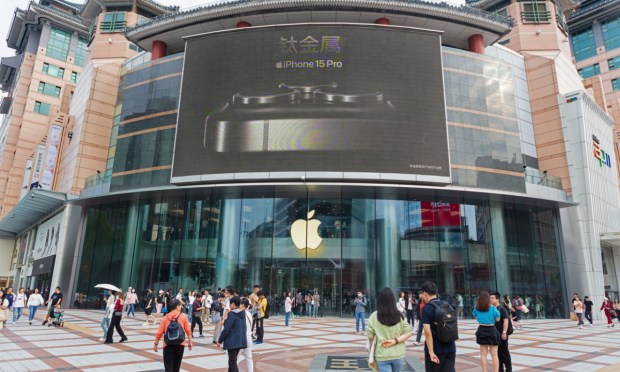
The iPhone maker’s sales in China — the world’s largest smartphone market — jumped 23% in the first nine weeks of this year amid a 4% market downturn, according to data released Thursday (March 19) by Counterpoint Research.
“Although government subsidies were introduced at the beginning of the year, market performance over the first two months suggests their impact has been limited, with overall demand remaining weak,” Counterpoint’s report said.
“Lunar New Year promotions by Chinese brands in February lifted sales compared with January, but soaring memory prices limited the scale of discounts, leaving sales during the holiday period and the preceding three weeks still down 2% YoY.”
The research showed that Apple’s gains were fueled by eCommerce discounts, and the fact that its base iPhone 17 model qualified for the government subsidies. Counterpoint said that Apple’s “strong control” of its supply chain leaves it better positioned to absorb the cost of memory chips, allowing it to keep prices steady as rivals hike theirs.
We’d love to be your preferred source for news.
Please add us to your preferred sources list so our news, data and interviews show up in your feed. Thanks!
“The memory cost surge is likely to persist throughout 2026, forcing smartphone OEMs to make difficult trade-offs between costs, margins, and shipment targets,” Counterpoint said.
“Brands relying on entry-level models to drive market share will face a significant risk of short-term losses.”
Counterpoint’s findings follow a report from January that the worldwide artificial intelligence (AI) boom had begun to alter the economics of smartphones and other consumer electronics by causing memory components to be diverted to “large-scale AI systems under long-term supply agreements,” as PYMNTS wrote.
The price of RAM in some consumer segments has climbed by 20% to 30% year over year, lowering long-standing expectations of steady declines, with constraints in memory supply causing manufacturers to put more emphasis on paid memory upgrades.
“iPhone sales have been a boon for Apple at a time when Wall Street has been expressing concerns about the company’s AI progress relative to its counterparts,” PYMNTS wrote earlier this month as the company introduced a lower-cost version of the iPhone 17.
The company earlier this year reported what CEO Tim Cook called “a quarter for the record books,” fueled in part by its flagship smartphone.
“The demand for iPhone was simply staggering,” Cook said, although reports midway through the quarter indicated Apple was seeing tepid demand for its then-new iPhone Air.


 Add as Preferred Source